
How Much Does a Treadmill Cost?
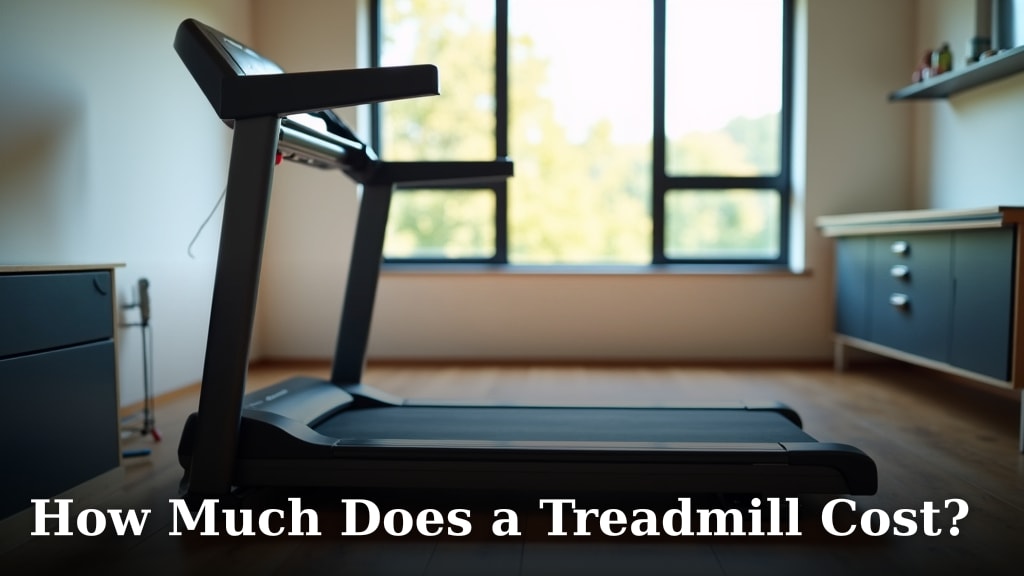
A new treadmill will typically cost between $300 and $3,000, depending on the brand and features you want. However, we found that most people spend around $800 to $1,500 for a quality home treadmill.
The price depends on many factors, like motor power, belt size, and extra tech features. Are you looking for something basic or a high-tech running machine? Your budget will likely be the biggest factor when choosing your ideal exercise equipment.
- Treadmills generally cost $300-$3,000.
- Most buyers spend $800-$1,500 for a good model.
- Price varies based on motor, belt size, and added features.
- Basic models are cheaper; advanced models cost more.
- Your desired features drive the final cost.
Let’s walk through everything you need to know about treadmill costs so you can make a smart buying decision for your home gym.
Understanding Treadmill Pricing: What Influences the Cost?
The price of a treadmill isn’t just a random number; it’s a reflection of its components, features, and overall quality. Think of it like buying a car—a basic model gets you from A to B, but a luxury one offers much more. We’ve broken down the key factors that drive treadmill costs so you can see where your money really goes.
Motor Power (HP/CHP)
The motor is the heart of your treadmill. Its power is usually measured in Horsepower (HP) or, more specifically for treadmills, Continuous Horsepower (CHP). CHP is generally a more accurate measure of consistent power during your workout.
A higher CHP rating means a smoother, more durable workout experience. It also handles heavier users or more intense running sessions better. We found distinct price jumps based on motor strength.
Entry-Level Motors (1.5 – 2.0 CHP)
These motors are typically found in treadmills costing under $700. They’re great for walking or light jogging. If you plan on sprinting or running for long periods, this level might feel underpowered and wear out quicker. Many users report these motors can struggle with sustained running.
Mid-Range Motors (2.0 – 3.0 CHP)
Most home users find their sweet spot here. Treadmills in the $700 – $1,500 range often feature these motors. They’re solid for varied workouts, including jogging and moderate running. They tend to be quieter and last longer under regular use. This range offers a good balance of power and price.
High-Performance Motors (3.0 CHP and above)
If you’re a serious runner or have multiple people using the treadmill frequently, look for motors in this range. These powerful motors are built for daily running, intense interval training, and longer workouts. Expect to pay $1,500 or more for models with this kind of muscle. They often come with better warranties too, reflecting their robust build.
Belt Size and Cushioning
The running belt is where your feet land. Its size and how well it’s cushioned directly impact your comfort and safety. A larger, more cushioned belt usually means a higher price tag. This isn’t just about comfort; it’s about joint protection.
Standard Belt Dimensions
Most treadmills offer a belt that’s 20 inches wide and 55-60 inches long. Shorter belts (under 55 inches) are fine for walking but can feel cramped for running. Longer belts give you more room to move, which is especially important for taller runners or those who want to pick up speed.
- Shorter belts (48-52 inches): Cost less, best for walking, compact.
- Standard belts (55-60 inches): Most common, good for walking and jogging, mid-range cost.
- Longer belts (60+ inches): More expensive, ideal for serious runners, offers more stride room.
Deck Cushioning Technology
Good cushioning helps absorb impact, protecting your joints. Cheaper treadmills often have minimal cushioning, leading to a harder feel. More expensive models boast advanced cushioning systems that mimic softer running surfaces. This feature can significantly reduce stress on your knees and ankles, which many users find worth the extra cost.
Frame Durability and Weight Capacity
The treadmill’s frame materials and construction affect its stability and how much weight it can safely support. A sturdier frame usually means a heavier machine, but also a more stable and lasting one. You’ll often find a direct link between frame quality and the price.
Higher weight capacities (over 300 lbs) require stronger frames and more powerful motors, pushing the cost up. Always check the user weight limit before buying. Overloading a treadmill can void the warranty and lead to premature wear.
Advanced Technology and Smart Features
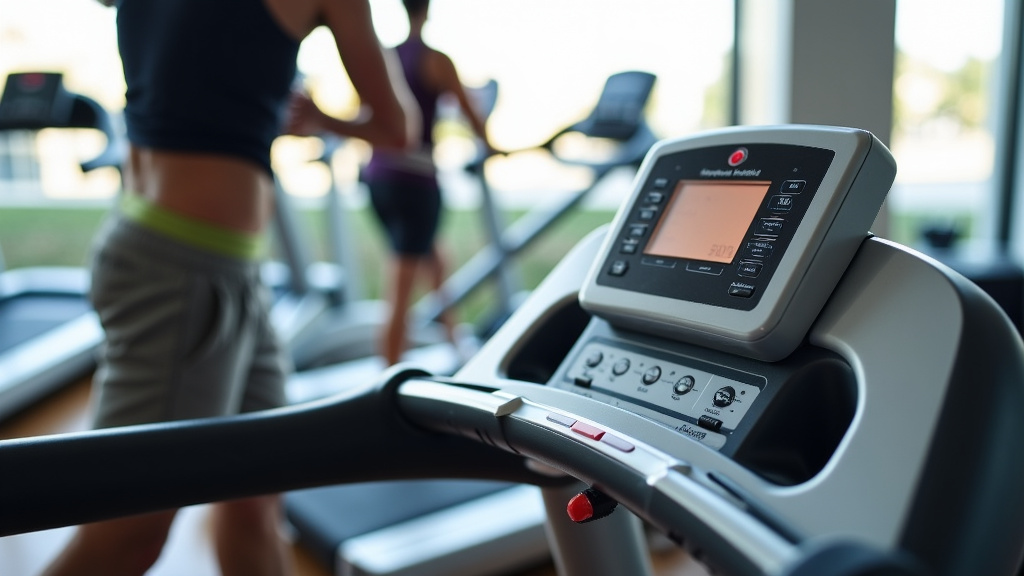
Welcome to the 21st century treadmill! Beyond basic speed and incline, many modern treadmills now offer a host of tech features. These can range from simple LCD screens to full-color touchscreens with streaming capabilities. Naturally, the more bells and whistles, the higher the price.
Connectivity and Entertainment
Many treadmills now connect to apps like iFit, Peloton, or Zwift, offering instructor-led classes and virtual scenic routes. Some have built-in speakers, USB ports, or even HD touchscreens for watching shows while you work out. These features are great for motivation but can add hundreds, if not thousands, of dollars to the cost.
Do you need a large touchscreen to stream your favorite show or just an iPad holder? This choice alone can swing the price significantly. We found that users often pay extra for features they rarely use. Think about what you truly need versus what’s nice to have.
Pre-Programmed Workouts and Incline/Decline
Most treadmills offer pre-set workout programs. More expensive models tend to have a wider variety and smoother incline transitions. Some high-end models even offer a decline feature, simulating downhill running, for a more comprehensive workout. This adds to the motor’s complexity and, thus, the price.
Brand Reputation and Warranty
Just like with any major purchase, the brand often plays a role in the price. Well-established brands with a strong reputation for quality and customer service tend to have higher prices. They often invest more in research, development, and stringent quality control.
A good warranty is a clear sign of a manufacturer’s confidence in their product. Look for warranties that cover the frame for 10 years or more, the motor for 3-5 years, and parts/labor for at least 1-2 years. A longer, more comprehensive warranty suggests a more reliable machine, but it also reflects a higher initial cost.
Delivery and Installation Costs
Don’t forget these often-overlooked expenses! Treadmills are heavy and often require assembly. While some retailers offer free delivery, many charge extra, especially for “white glove” service that includes assembly and placing the treadmill in your desired room. These services can add $100 to $300 to your total cost. We recommend checking these costs upfront.
Are you handy with tools? You might save money by assembling it yourself. But be warned, some machines are quite complex to put together.
When to Consider a Used or Refurbished Treadmill
A used treadmill can be a great way to save money, often costing 50% or less than a new model. You might find great deals on platforms like Craigslist, Facebook Marketplace, or local sports equipment stores. However, there are some important considerations:
- No warranty: Rarely do used machines come with a warranty, so you’re buying “as-is.”
- Wear and tear: Check the motor, belt, and deck for signs of excessive wear. Test it thoroughly.
- Transportation: You’ll likely need to arrange your own pickup and transport, which can be challenging for heavy equipment.
Refurbished treadmills are often a safer bet. These are typically reconditioned by the manufacturer or authorized resellers, often with some level of warranty. They usually fall somewhere between new and used prices.
How to Choose the Right Treadmill for Your Budget
With so many options, how do you narrow it down? We suggest starting with your fitness goals and then matching them to your budget. Are you a walker, a jogger, or a serious runner? How often will you use it? How many people in your household will use it?
Here’s a quick checklist to help you decide:
- Determine your primary use (walking, jogging, running).
- Consider who else will use it and their weight/height.
- Set a realistic budget range first.
- Prioritize motor power and belt size for your workouts.
- Decide which tech features are “must-haves” versus “nice-to-haves.”
- Factor in delivery and assembly costs.
Buying a treadmill is an investment in your health. By understanding what influences the price, you can make a choice that fits both your wallet and your fitness aspirations. The right treadmill should motivate you to move, not gather dust in the corner.
Conclusion
Choosing a treadmill is about balancing your fitness goals with your budget. We’ve seen prices vary widely based on motor power, belt size, and smart features. Your ideal machine should support your workouts without breaking the bank.
Prioritize durability and essential features over unnecessary tech. By understanding these cost factors, you can invest wisely in a treadmill that genuinely enhances your home fitness journey for years to come.
Frequently Asked Questions
What’s a good budget to aim for a quality home treadmill?
Most people find a sweet spot in the $800 to $1,500 range for a reliable home treadmill. This budget typically secures a model with a solid motor, comfortable running deck, and some desirable tech features.
Do treadmills with higher CHP motors always cost more?
Generally, yes. Treadmills with 3.0 CHP motors and above are designed for more intense use and durability, which requires a more robust build. This increased power and longevity are reflected in a higher price tag.
Is it worth paying extra for advanced cushioning in a treadmill?
For many users, especially runners or those with joint concerns, advanced cushioning is worth the extra investment. It significantly reduces impact on your knees and ankles, leading to a more comfortable and safer workout experience.
What hidden costs should I consider when buying a treadmill?
Don’t forget potential costs like delivery and assembly. These can add $100-$300 to your total, especially if you opt for white glove service. Also, factor in any required accessories like a mat or extended warranty.
Can I get a decent treadmill for under $500?
It’s possible to find treadmills under $500, but they often come with compromises. These machines are typically best for walking or light jogging and may have smaller motors, less durable frames, and fewer features. Manage your expectations for this price point.
