
How to Train for a 5K on a Treadmill?

The easiest way to train for a 5K on a treadmill involves a structured plan combining walking and running intervals, gradually increasing your running time. You can absolutely get race-ready indoors, no matter the weather. Many experts say a treadmill makes training very accessible.
You might be wondering if you can really prepare for an outdoor race without ever stepping outside. We found that training on a treadmill offers many benefits, including controlled environments and consistent surfacing. It’s a fantastic way to build stamina and confidence for your big day.
- Build your running fitness safely.
- Learn how to use treadmill features effectively.
- Discover the right training plan for you.
- Stay motivated from start to finish.
So, you’re ready to lace up your shoes and hit that belt? We’ll walk you through exactly how to train for a 5K on a treadmill, step by step.
Getting Started with Treadmill 5K Training
Beginning your 5K journey on a treadmill is a smart move. It offers a controlled environment. You can adjust speed and incline precisely. This consistency helps you build endurance safely. We found that a structured approach makes all the difference.
Setting Up Your Treadmill for Success
Before you run, set up your space. Find a comfortable temperature. Make sure you have proper ventilation. We found these small steps improve your workout experience significantly.
Essential Treadmill Settings You Need to Know
Your treadmill has many features. Let’s focus on the important ones for 5K training. You’ll primarily use speed and incline. Some treadmills also offer pre-set programs. We recommend starting simple and then exploring more options.
- Speed: This controls how fast the belt moves. Start with a brisk walk. Gradually increase to a comfortable running pace.
- Incline: This simulates hills. A slight incline (1-2%) can mimic outdoor running conditions. It also engages different muscles.
- Heart Rate Monitor: Many treadmills have built-in sensors. These help you stay in your target heart rate zone. This ensures efficient training.
Gearing Up for Your Indoor Run
Even though you’re indoors, proper gear is key. Dress in comfortable, breathable clothes. You’ll likely sweat more on a treadmill. Good running shoes are essential for preventing injuries (Mayo Clinic).
- Running Shoes: Choose shoes designed for running. They provide cushioning and support. Replace them every 300-500 miles.
- Moisture-Wicking Apparel: These fabrics pull sweat away from your body. They keep you dry and comfortable.
- Water Bottle: Staying hydrated is crucial. Keep water within reach. Drink before, during, and after your run.
- Towel: You’ll appreciate having a small towel. It helps wipe away sweat.
Your Week-by-Week 5K Training Plan
A successful 5K plan builds gradually. You can’t go from zero to hero overnight. We found that a 6-8 week plan works best for most beginners. It balances challenge with recovery. Consistency is your best friend here.
The Walk-Run Method: Your Best Bet
Many experts say the walk-run method is ideal for beginner runners. It reduces injury risk. It also keeps you from feeling overwhelmed. You alternate between periods of walking and running. This technique builds endurance steadily (CDC).
Understanding Intervals: Walk Time vs. Run Time
Intervals are the heart of this plan. You’ll start with mostly walking. Then you’ll slowly increase your running segments. The goal is to build up to running for 30 minutes straight. This is about 3.1 miles (a 5K).
Here’s a general idea of how your intervals will progress. Remember, listen to your body. Adjust as needed. This is a guideline, not a strict rule.
| Week | Workout Example (Repeat 3-4x) | Goal |
|---|---|---|
| Week 1 | 5 min brisk walk, then 1 min run / 2 min walk (repeat x 5) | Introduce light running periods |
| Week 2 | 5 min brisk walk, then 2 min run / 2 min walk (repeat x 4) | Increase running slightly, maintain walking |
| Week 3 | 5 min brisk walk, then 3 min run / 1 min walk (repeat x 4) | More running, less walking recovery |
| Week 4 | 5 min brisk walk, then 5 min run / 1 min walk (repeat x 3) | Longer running segments |
| Week 5 | 5 min brisk walk, then 8 min run / 2 min walk (repeat x 2) | Building significant continuous running |
| Week 6 | 5 min brisk walk, then 15 min run / 1 min walk (repeat x 1) | Focus on longer, sustained running |
Adding Variety to Your Treadmill Workouts
Running on a treadmill can get monotonous. How do you keep it fresh? We found that adding variety prevents boredom. It also challenges your body in new ways. This keeps you engaged and motivated.
- Incline Training: Try increasing the incline periodically. This simulates hills. It strengthens different leg muscles. Just a 1-2% incline makes a big difference.
- Tempo Runs: After your warm-up, run at a comfortably hard pace for 10-15 minutes. This is faster than your normal pace. These help improve your speed.
- Cross-Training: Don’t just run! Incorporate other activities. Yoga, cycling, or swimming are great options. They build overall fitness without overstressing your running muscles.
- Listen to Music or Podcasts: Distraction can be a good thing. Find a playlist or podcast that motivates you. It helps the time fly by.
Mastering Treadmill-Specific Techniques
Running on a treadmill is different from running outside. You need to adjust your form slightly. This helps prevent injuries. It also makes your workout more effective.
Maintaining Proper Running Form Indoors
Pay attention to your posture. Stand tall. Look straight ahead. Avoid looking down at your feet. Keep your shoulders relaxed. Your arms should swing naturally at your sides. We found that a slightly shorter stride is common on a treadmill.
Safety First: Tips for Treadmill Running
Treadmills are safe machines. But you should always be careful. Know where the emergency stop button is. Never step off a moving treadmill. Always tie your shoelaces tightly. Stay present and aware.
Don’t Forget Your Cool-Down!
Finishing your run isn’t truly done until you cool down. A 5-minute walk helps bring your heart rate down. Gentle stretches improve flexibility. They also help prevent muscle soreness. We found that incorporating this into your routine is critical for recovery.
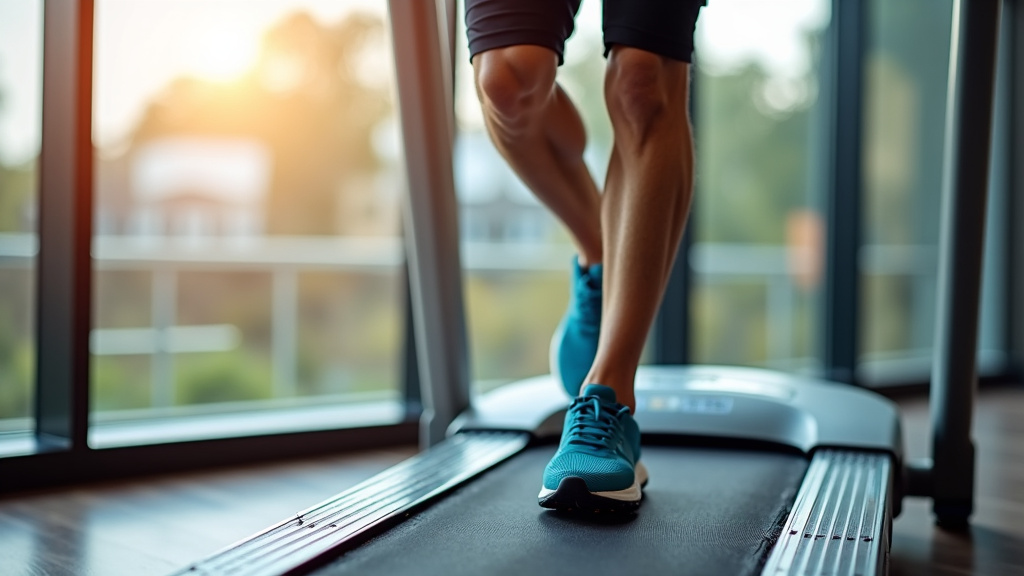
Beyond the Run: Nutrition, Hydration, and Rest
Training isn’t just about the miles you log. What you do off the treadmill matters too. Your body needs fuel, water, and recovery. Neglecting these can slow your progress. It can even lead to injuries.
Fueling Your Body for Peak Performance
Think of your body as a high-performance machine. It needs the right fuel. Focus on a balanced diet. Include plenty of whole grains, lean proteins, fruits, and vegetables. Don’t make drastic dietary changes during training.
Before your run, have a light snack. A banana or a piece of toast works well. After your run, replenish your energy. A small meal with protein and carbs is ideal. We found that intelligent fueling supports faster recovery.
The Importance of Hydration and Sleep
Water is essential for every bodily function. You lose a lot of fluid when you run. Drink water throughout the day. Don’t wait until you feel thirsty. Keep a water bottle handy.
Sleep is when your body repairs itself. Aim for 7-9 hours of quality sleep each night. This allows your muscles to recover. It also recharges your energy levels. We found that prioritizing sleep makes a huge difference in training effectiveness (National Institutes of Health).
Final Checklist for Your 5K Treadmill Training
You’ve got this! Preparing for a 5K on a treadmill is achievable. Stay consistent. Listen to your body. Enjoy the process. Here’s a quick recap of what to keep in mind:
- Have a clear, weekly training schedule.
- Use the walk-run method for gradual progress.
- Vary your workouts with incline and speed changes.
- Stay hydrated and fueled with proper nutrition.
- Prioritize sleep for muscle recovery.
- Wear proper running shoes and apparel.
- Always warm up and cool down before and after each run.
Conclusion
You’re now equipped with a clear roadmap to conquer your 5K on the treadmill. Following a structured walk-run plan, paying attention to your body, and embracing the indoor environment’s benefits will set you up for success. We found that consistency and patience are your greatest allies.
Remember to prioritize proper gear, stay hydrated, and balance your training with good nutrition and rest. Are you ready to take that first step? Start your training today and experience the incredible feeling of achieving your 5K goal, one stride at a time.
Frequently Asked Questions
Can I truly replicate outdoor running conditions on a treadmill?
While a treadmill provides a controlled environment, you can mimic outdoor conditions. Use a slight incline (1-2%) to engage more muscles and simulate air resistance. This helps prepare your body for the natural variances of an outdoor run.
How often should I train for a 5K on the treadmill?
Most experts recommend training 3-4 times a week, allowing for rest days in between. This schedule prevents overtraining and gives your body time to recover and adapt. Listen to your body and adjust rest days as needed.
What if I miss a workout during my training plan?
Don’t worry if you miss a session. Life happens! Simply pick up where you left off or repeat the last successful workout. The key is to stay consistent over the long term, rather than stressing over one missed day.
Will treadmill training make my outdoor 5K feel harder?
Treadmill running can feel different due to the moving belt and lack of wind resistance. However, it builds excellent cardiovascular fitness and leg strength. If you can, try to include a few short outdoor runs during your last week or two of training to get accustomed to the varied terrain.
Is it okay to watch TV or read while running on the treadmill?
Yes, many runners find that watching TV, listening to music or podcasts, or even reading helps pass the time and can boost motivation. Just make sure it doesn’t distract you from maintaining proper form and safety. Keep your focus primarily on your run.
