Is a Walking Pad Worth It?
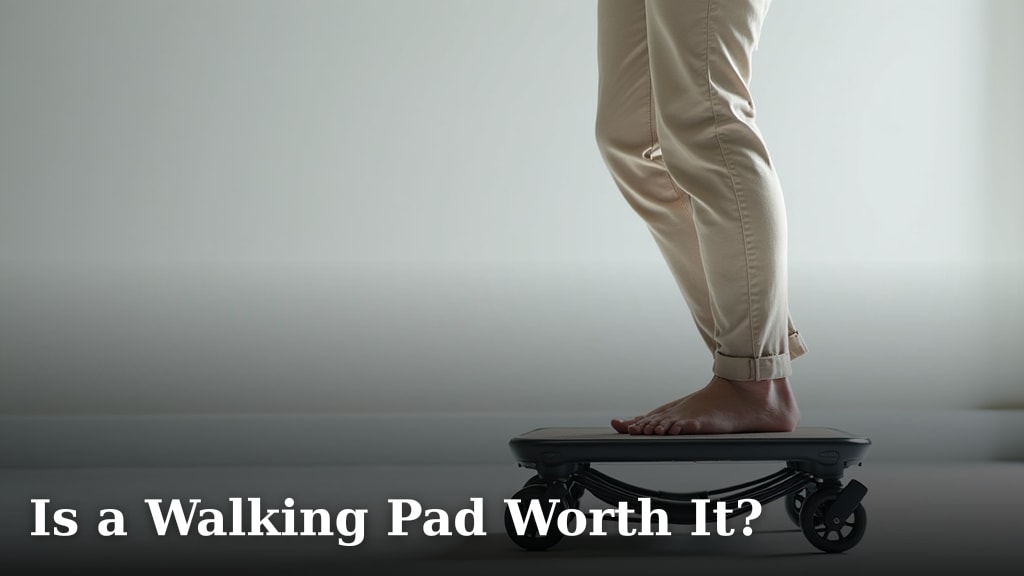
Yes, a walking pad is worth it for many people looking to add more movement to their day. If you struggle to fit in walks or want to move while working, a walking pad offers a convenient solution right at home.
We found that these compact treadmills can make a real difference in your daily step count. They help you stay active indoors, no matter the weather. Think of it as a small investment in your health and productivity.
- Get more steps every day.
- Exercise conveniently at home or office.
- Boost your energy and mood.
- Improve overall wellness.
So, are you curious if a walking pad fits your lifestyle? Let’s explore everything you need to know about these popular fitness devices.
Are Walking Pads a Good Investment?
Yes, for many people, a walking pad is a very good investment. These devices offer a practical way to increase daily activity, especially if you have a busy schedule or limited access to outdoor walking spaces. Think of it as bringing the gym to your living room or office.
We found that owning a walking pad can significantly boost your overall well-being. It helps you stay consistent with movement, which is key for long-term health. But like any purchase, its true value depends on your specific needs and lifestyle.
Why Consider a Walking Pad?
You might be wondering what makes a walking pad so special. It’s all about convenience and accessibility. They are designed for easy use in small spaces, making fitness less of a chore and more a part of your daily routine.
Walking pads are much smaller than traditional treadmills. This means they are easier to store and move around. They often fit under standing desks, allowing you to walk while you work. This feature alone is a huge draw for many.
Combatting Sedentary Lifestyles
In today’s world, many of us spend hours sitting. From desk jobs to long commutes, our bodies often don’t get enough movement. The CDC recommends at least 150 minutes of moderate-intensity exercise per week (CDC).
A walking pad can be a powerful tool to fight this. You can easily add extra steps throughout your day. Imagine walking during a meeting or while watching your favorite show. It turns passive time into active time.
Key Benefits You Can Expect
Once you start using a walking pad, you’ll likely notice several positive changes. These aren’t just about physical health; they extend to your mental and emotional well-being too. We found many users report these benefits quite quickly.
- Increased Daily Steps: You’ll easily hit those 10,000 steps without even realizing it.
- Improved Mood and Energy: Exercise releases endorphins, which are natural mood boosters.
- Better Cardiovascular Health: Regular walking strengthens your heart and improves circulation.
- Weight Management Support: Burning extra calories consistently can aid in maintaining a healthy weight.
- Enhanced Focus and Productivity: Movement can clear your mind, leading to better concentration.
- Weatherproof Exercise: Rain or shine, hot or cold, your workout is always available.
- Privacy and Comfort: Exercise in your own space, at your own pace, without feeling self-conscious.
Who Benefits Most from a Walking Pad?
While walking pads offer advantages to many, some groups might find them particularly life-changing. Do you see yourself in any of these categories? It might be a sign a walking pad is right for you.
Desk Job Warriors
If your job keeps you glued to a chair for hours, a walking pad paired with a standing desk can be a game-changer. You can keep moving your legs, increasing blood flow, and burning calories while still getting work done. Many studies show that even light activity can help reduce risks associated with prolonged sitting (National Institutes of Health).
Busy Parents and Caregivers
Finding time to exercise when you have kids or caregiving responsibilities can feel impossible. A walking pad lets you fit in activity at home during naps, while kids play, or even late at night. No need for a gym membership or childcare. It’s exercise on your own schedule.
People in Small Living Spaces
Live in an apartment or a small home? A full-sized treadmill might be out of the question. Walking pads are designed to be compact. Many fold or slide under furniture, making them ideal for areas where space is at a premium. You can have a fitness solution without sacrificing your living area.
Individuals with Limited Mobility
For those needing gentle exercise or recovering from certain injuries, a walking pad offers a controlled environment. You can set the speed very low and hold onto furniture if needed. It provides a safe way to build strength and endurance without outdoor risks.
What to Consider Before Buying
A walking pad is a fantastic tool, but it’s important to choose the right one for you. Not all walking pads are created equal. Thinking through these points will help you make a smart decision.
Speed and Motor Power
Most walking pads are designed for walking, not running. They usually have a top speed of 3-4 mph. If you only plan to walk, this is perfectly fine. Check the motor power; a stronger motor will be more durable and quieter.
Size and Portability
How much space do you have? Do you need to store it away after each use? Look for models that fold easily or have wheels for moving. Measure your intended space to ensure a good fit. Some are very thin and can slide under a bed or sofa.
Weight Capacity
Always check the maximum user weight capacity. This ensures the machine is safe and durable enough for you. Exceeding the weight limit can damage the motor and void your warranty.
Noise Level
If you plan to use it in an office setting or while others are sleeping, a quiet motor is essential. Read reviews specifically mentioning noise. Some models are designed with quiet operation in mind.
Features and Controls
Do you need a remote control, or do you prefer on-device buttons? Some have basic displays showing speed, time, and distance. Others might connect to apps for tracking. Decide which features are “must-haves” for your usage.
Comparing Walking Pads to Traditional Treadmills
You might be wondering about the main differences between a walking pad and a full-sized treadmill. Here’s a quick comparison to help clarify:
| Feature | Walking Pad | Traditional Treadmill |
|---|---|---|
| Primary Use | Walking, light jogging | Walking, jogging, running |
| Speed Range | Typically up to 3-4 mph | Typically up to 10-12 mph |
| Size & Portability | Compact, often foldable, easy to store | Large, heavy, takes up significant space |
| Incline Feature | Rarely included, fixed incline on some | Commonly includes adjustable incline |
| Motor Power | Generally lower (1.0-2.0 HP) | Generally higher (2.5-4.0+ HP) |
| Price Range | More affordable ($200-$600) | More expensive ($500-$3000+) |
| Noise Level | Usually quieter | Can be louder, especially at high speeds |
| Safety Features | Basic safety key | More advanced features like handrails, emergency stop |
As you can see, the main difference lies in their intended use and size. If your goal is primarily walking and you need something compact, the walking pad wins. If you’re a serious runner, a traditional treadmill is likely a better fit.
Making the Most of Your Walking Pad
Once you have your walking pad, how do you ensure it becomes a regular part of your life? Here are some tips we found that help users stick with it.
- Set a Dedicated Time: Block out 20-30 minutes in your calendar each day for walking.
- Place it Strategically: Put it where you’ll see it and use it, like in front of your TV or under your standing desk.
- Combine with Other Activities: Walk while watching your favorite show, listening to a podcast, or on a work call.
- Start Slow: Don’t try to do too much too soon. Begin with short, gentle walks and gradually increase duration or speed.
- Track Your Progress: Use a fitness tracker or the walking pad’s display to see your steps, distance, and calories. This can be motivating.
- Make it Fun: Create a walking playlist, explore new podcasts, or find a walking buddy (even if they’re on another walking pad!).
Remember, consistency is more important than intensity when you’re starting out. Even short bursts of walking add up over time and contribute to your overall health goals. Your body will thank you for the extra movement.
Conclusion
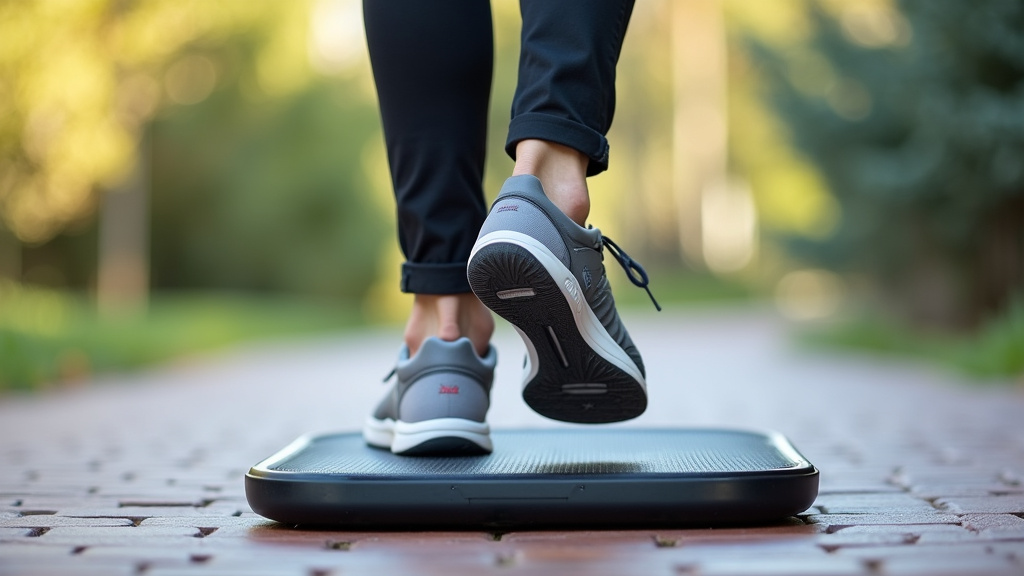
As we’ve explored, a walking pad offers a compelling way to weave more movement into your daily life. We’ve seen how it combats sedentary habits and offers numerous health benefits. From boosting your mood to supporting cardiovascular health, the advantages are clear. It’s especially beneficial for desk workers, busy parents, and those with limited space.
By carefully considering factors like speed, size, and noise, you can find the perfect model. If you’re ready to embrace a more active lifestyle from the comfort of your home or office, a walking pad is a smart choice. We encourage you to weigh your needs and choose the right device to kickstart your journey toward better health.
Frequently Asked Questions
Is a walking pad good for weight loss?
Yes, a walking pad can support your weight loss goals. Consistent physical activity, like walking, burns calories and contributes to a calorie deficit. We found that integrating regular walks throughout your day helps increase your overall energy expenditure, which is key for managing weight effectively.
How many minutes should I use a walking pad per day?
The ideal duration depends on your fitness level and goals. We suggest starting with 20-30 minutes per day. You can break this up into shorter sessions if needed. Gradually increase your time or speed as you build endurance.
Can you run on a walking pad?
Most walking pads are designed for walking or very light jogging. Their motors and belt speeds are generally not built for sustained running. If you plan to run regularly, we recommend investing in a traditional treadmill, which has a higher top speed and more robust construction.
Do walking pads count steps accurately?
Many walking pads have built-in step counters that can provide a good estimate. For the most accurate step tracking, we found it’s best to wear a dedicated fitness tracker on your body. This will give you a more precise count regardless of the machine’s calibration.
How do I clean and maintain my walking pad?
Regular maintenance helps keep your walking pad running smoothly. We suggest wiping the belt and frame with a damp cloth after each use. Check the lubrication every few months and apply silicone oil if needed, following your manufacturer’s instructions. Keep it free of dust and debris for optimal performance.