
What Is the Best Treadmill for Interval Training at Home?
For interval training at home, the best treadmill often balances performance with home-friendly features. We found that models offering quick speed and incline changes Our guide on how you can use a treadmill for HIIT training offers more insights into maximizing these dynamic workouts., along with durable motors, are ideal for HIIT workouts. Look for a treadmill that provides a smooth, responsive experience as you switch between high and low intensity.
You need a treadmill that can keep up with your dynamic workouts. This means a machine with a strong motor and an intuitive control panel for easy adjustments. A treadmill optimized for interval training will make your home workouts much more effective and enjoyable.
TL;DR:
- Treadmills for interval training need quick speed/incline changes.
- A strong motor is key for responsive performance.
- Look for user-friendly controls for fast adjustments.
- Durable construction ensures longevity.
- Home-friendly features matter for your space.
Ready to find the perfect machine for your high-intensity sessions? Let’s walk through what makes a treadmill excel at interval training and help you pick the best one for your home.
Choosing the Right Treadmill for Home Interval Training
Finding the perfect treadmill for high-intensity interval training (HIIT) at home means looking beyond just speed. You need a machine that can handle rapid changes, keep you safe, and fit into your living space. We’ve researched and found key features that make a treadmill truly excel for your interval workouts.
Understanding What Interval Training Demands from a Treadmill
Interval training, especially HIIT, isn’t just about sustained running. It involves alternating between bursts of intense activity and periods of rest or lower intensity. This means your treadmill needs to be responsive and robust. Think of it like a sports car versus a sedan – both drive, but one handles sudden accelerations much better.
Motor Power and Durability
The motor is the heart of your treadmill. For interval training, you need a powerful and reliable motor that can quickly adjust to speed changes without straining or overheating. We recommend looking for a continuous horsepower (CHP) of at least 2.5. Many experts suggest 3.0 CHP or higher for frequent, intense interval workouts (American Council on Exercise).
- 2.5 CHP: Good for walking and light jogging, occasional intervals.
- 3.0 CHP: Ideal for runners and frequent, intense interval training.
- 4.0 CHP+: Excellent for heavy use, multiple users, and advanced interval routines.
A stronger motor provides a smoother experience. It won’t lag when you suddenly speed up. This makes your workout feel more natural and reduces wear and tear on the machine over time.
Quick and Responsive Controls
Imagine trying to change your speed and incline manually during a sprint. It’s clunky and wastes precious seconds. Your ideal interval training treadmill will have dedicated quick-speed and quick-incline buttons. These allow you to jump from, say, 3 mph to 8 mph and back with a single press, rather than holding down an arrow button.
Some treadmills also offer “hot keys” or custom interval programming. This means you can preset your intervals. The machine then guides you through them automatically. This can keep you focused on your effort, not on fiddling with controls.
Key Features for an Effective Interval Workout
Beyond motor power and controls, several other features can significantly impact your interval training experience. These elements contribute to both performance and your overall comfort and safety.
Running Deck and Cushioning
Your running surface needs to be comfortable and absorb impact. A good deck should be at least 20 inches wide and 55 inches long for running (60 inches for taller users). This gives you plenty of room to move during sprints without feeling cramped or worried about stepping off.
Cushioning systems vary greatly. Some treadmills offer adjustable cushioning, letting you choose between a firmer, road-like feel or a softer, joint-friendly impact. This is particularly important during high-impact sprint intervals to protect your joints (Mayo Clinic).
Incline and Decline Capabilities
Interval training isn’t just about speed; it’s also about varying intensity. An incline feature adds resistance and mimics outdoor hills, making your workouts more challenging. Many treadmills offer inclines up to 10-15%. Some advanced models even provide a decline feature, simulating downhill running, which works different muscle groups.
Having a wide range of incline options allows for greater variety in your interval routines. You can sprint uphill, walk on a flat surface, and then recover. It keeps your body guessing and your workouts exciting.
Considering Your Home Environment
You’re not just buying a piece of gym equipment; you’re adding something to your home. So, practicality and convenience are just as important as performance specs.
Space Requirements and Portability
Treadmills can take up a lot of space. Before you buy, measure your designated workout area carefully. Many home treadmills are foldable, which is a huge plus if you have limited space. But remember, even folded, they still have a footprint. Check the dimensions for both the unfolded and folded states.
If you plan to move your treadmill frequently, look for models with transport wheels and a relatively lighter design. However, be aware that very lightweight treadmills might sacrifice some stability. There’s often a trade-off between portability and sturdiness.
Noise Levels
A roaring treadmill motor can be disruptive, especially if you live in an apartment or need to work out while others are sleeping. Read reviews for feedback on noise levels. Generally, a more powerful motor (and often, a heavier machine) tends to run more quietly because it’s not struggling. Opt for a treadmill with a quiet motor and belt system to maintain peace in your home.
Budgeting for Your Interval Training Treadmill
Treadmills range widely in price, from a few hundred to several thousand dollars. Your budget will heavily influence the features you can expect. Think of it as an investment in your health. A more expensive machine might offer better durability and more advanced features.
Here’s a general idea of what you can expect at different price points:
| Price Range | Expected Features for Intervals |
|---|---|
| Under $800 | Basic motor (1.5-2.0 CHP), manual incline or limited power incline, slower speed changes, smaller running surface. Suitable for walking and light jogging intervals. |
| $800 – $1,500 | Solid motor (2.5-3.0 CHP), power incline, faster speed changes, comfortable running deck (20″x55″), some quick-speed/incline buttons. Good for most home interval trainers. |
| $1,500 – $2,500 | Strong motor (3.0-3.5 CHP), advanced cushioning, wide range of incline/decline, precise controls, pre-programmed interval workouts, larger running surface (20″x60″), better durability. Excellent for dedicated interval training. |
| Over $2,500 | Commercial-grade motor (3.5+ CHP), premium cushioning, immersive screens, advanced programming, very rapid response times, superior build quality, designed for heavy daily use. Top-tier interval experience. |
Remember to consider not just the initial cost, but also potential warranty and maintenance. A good warranty can save you money down the line.
Pre-Purchase Checklist for Interval Training Treadmills
Before making your final decision, run through this quick checklist. It will help ensure you’re getting the best treadmill for your specific interval training needs and home environment.
- Motor Power (CHP): Is it 2.5 CHP or higher for responsive speed changes?
- Controls: Are there quick-speed and quick-incline buttons for easy adjustments?
- Deck Size: Is the running surface wide enough (20″ minimum) and long enough (55-60″) for your stride?
- Cushioning: Does it feel comfortable and supportive for high-impact intervals?
- Incline Range: Does it offer enough incline variety to challenge your workouts?
- Space: Does it fit comfortably in your home, especially if it’s foldable?
- Noise: Do reviews confirm it operates at an acceptable noise level?
- Warranty: Does it come with a robust warranty for peace of mind?
Conclusion
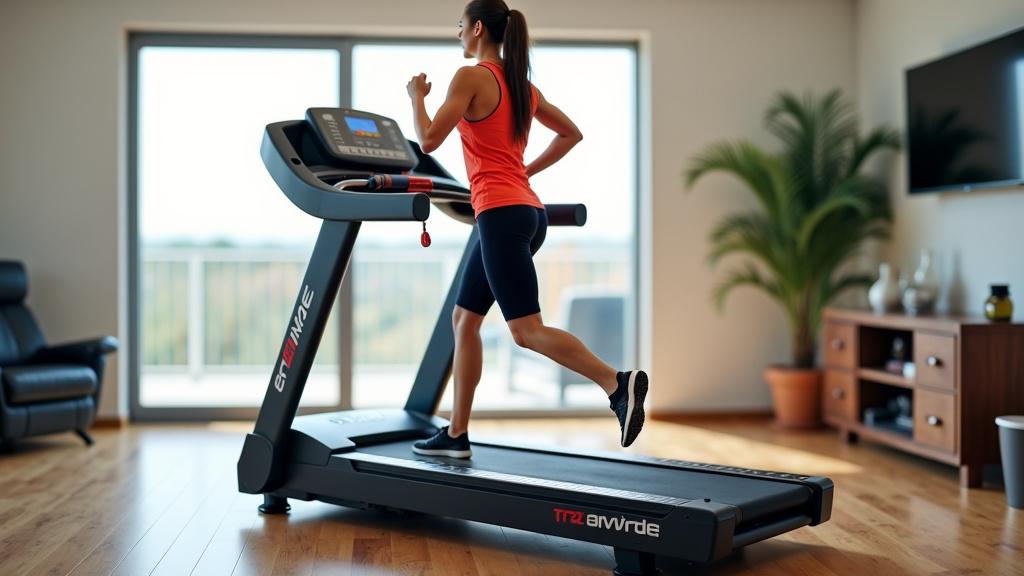
Choosing the best treadmill for interval training at home means balancing power with practicality. Focus on a strong motor (2.5-3.0 CHP+), quick-response controls, and a comfortable running deck to support your dynamic workouts. Don’t forget to consider your home’s space and noise levels. Investing in the right machine ensures your HIIT sessions are effective, safe, and enjoyable. Use our checklist to confidently pick a treadmill that will help you crush your fitness goals right from your home.
Frequently Asked Questions
How often should I do interval training on my treadmill?
You can incorporate interval training 2-4 times a week, depending on your fitness level and recovery. It’s important to allow your body adequate rest between high-intensity sessions. Listen to your body and adjust your frequency as needed to prevent overtraining.
Can I do interval training on a budget treadmill?
Yes, you can, but you might experience limitations. Budget treadmills (under $800) often have less powerful motors and slower speed/incline changes. This can make transitions clunky. For occasional, lighter intervals, it can work, but dedicated interval trainers will benefit from a more robust machine.
What’s the ideal running surface length for interval sprints?
For most users, a running surface of at least 55 inches long is good for comfortable running. If you are taller (over 6 feet) or have a longer stride, we recommend looking for a 60-inch deck. This provides ample room for full-speed sprints without feeling like you might run off the back.
Is treadmill interval training as effective as outdoor interval training?
Both are highly effective, but offer different benefits. Treadmill interval training provides a controlled environment, consistent surface, and precise speed/incline settings. Outdoor intervals introduce varied terrain and air resistance. Both are great for cardiovascular health; choose what best fits your goals and preference.
How important is treadmill cushioning for interval training?
Cushioning is very important for interval training, especially during high-impact sprints. Good cushioning helps absorb shock, reducing stress on your joints like knees and ankles. This can help prevent injuries and make your workouts more comfortable. Look for adjustable cushioning systems if joint comfort is a top priority.
