
Is It Safe for Kids to Use a Treadmill?
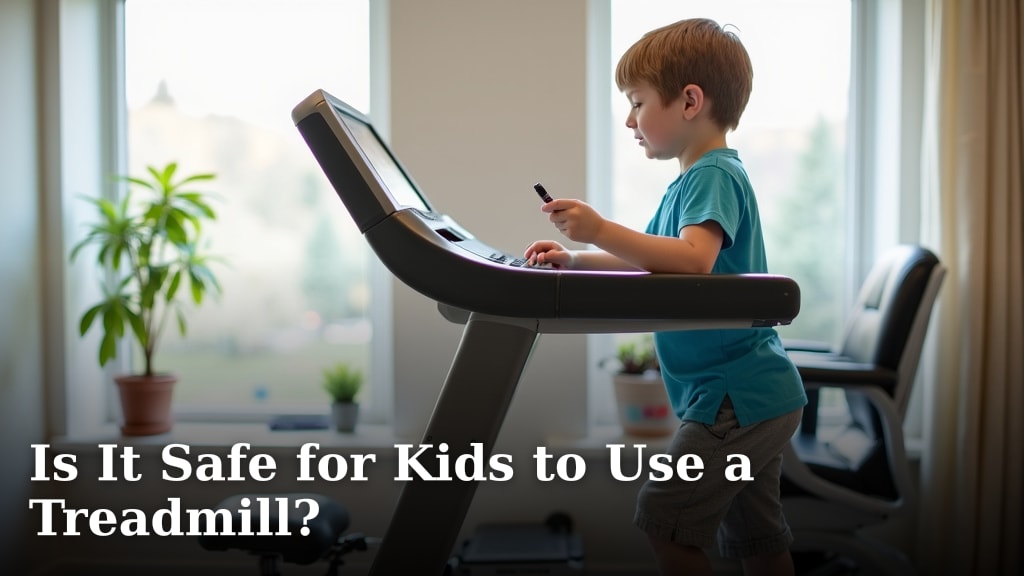
Yes, kids can use a treadmill, but it’s important to do so safely and with adult supervision. Treadmills offer a great way for children to stay active, especially when outdoor options are limited. However, their design is generally intended for adults, so precautions are key to preventing injuries and ensuring a positive experience for your child.
Many parents wonder about the best age for a child to start treadmill use. Research and expert advice suggest that children as young as 5 or 6 can use a treadmill, provided they understand and follow safety guidelines. It’s less about age and more about maturity and a child’s ability to listen to instructions. Always consider your child’s individual development and readiness.
- Always supervise children on treadmills.
- Ensure children understand and follow safety rules.
- Set speed and incline to very low levels.
- Consider a treadmill designed for kids or with safety features.
- Teach them how to stop the machine quickly.
We’ve gathered information to help you make an informed decision about your child and the treadmill. Below, we break down the essential safety tips and considerations for letting your kids hop on for a workout.
Making Treadmill Use Safe for Your Children
Yes, children can certainly use a treadmill, but only with careful planning and constant adult supervision. It’s not a toy, and safety must be your top priority. You want your child to enjoy the benefits of exercise without any risks. We’ve looked into what experts recommend to make this happen.
Understanding the Risks and Rewards
Treadmills are designed for adults. They have powerful motors and fast-moving belts. This means there’s a potential for accidents if not used correctly. Falls can happen easily. You might worry about your child getting hurt, and that’s a valid concern. However, research shows that with the right precautions, treadmills can be a safe and fun way for kids to be active.
The upside? Treadmills offer a controlled environment for exercise. This is great for days when going outside isn’t an option due to weather or safety concerns. Kids can get their heart rates up and build stamina. It can be a fantastic tool for fitness. Plus, seeing you exercise can inspire them too!
Potential Dangers to Watch For
What are the main dangers? Kids can fall off the back of the treadmill belt. They might trip and catch their fingers or clothing in the moving parts. There’s also the risk of overexertion if they push themselves too hard. Many treadmills also have automatic stop features, but these might not be fast enough for a child’s quick reaction. It’s why we stress vigilance and active supervision.
Setting the Stage for Safety: What to Look For
Before your child even steps onto the treadmill, setting it up correctly is key. Think of it like child-proofing your home. You’re creating a safe zone for exercise. Many safety features exist, and choosing wisely can make a big difference. You want peace of mind while your child gets their workout in.
Choosing the Right Treadmill
Not all treadmills are created equal when it comes to child safety. Some models have specific features that make them more suitable. Look for treadmills with lower maximum speeds. A lower starting speed is also important. Some treadmills have a key that must be in place for the machine to run. This is a great safety feature you can remove when the treadmill is not in use.
Consider a treadmill that is designed for younger users or has robust safety guards. Some even come with tethers that attach to your child and the machine. If the child falls, the tether pulls a safety clip, stopping the belt. While these aren’t foolproof, they add an extra layer of protection. You can also check for a prominent and easily accessible emergency stop button. Make sure it’s large and red, something a child can easily press.
Essential Safety Features to Prioritize
- Safety Key System: A clip that detaches to stop the belt if the user moves too far away.
- Lower Maximum Speed: Treadmills with lower top speeds are generally safer for kids.
- Emergency Stop Button: A large, clearly visible button that stops the machine instantly.
- Guardrails and Stable Frame: Sturdy construction provides better stability.
- Lower Incline Options: Less incline means less chance of slipping backward.
Establishing Clear Rules and Guidelines
Once you have a safe setup, the next step is to teach your child the rules. This is where maturity comes into play. Can your child understand and follow instructions consistently? If so, they’re likely ready. Think of it as teaching them road safety rules; the treadmill has its own set of must-dos and don’ts.
Supervision is Non-Negotiable
This is the most critical rule. Never leave a child unattended on a treadmill, not even for a second. You need to be right there, watching their every move. This means you can intervene immediately if something looks unsafe. Stay within arm’s reach. Keep distractions to a minimum for both you and your child when they are using the treadmill.
Teaching Them the Ropes (Safely!)
When introducing your child to the treadmill, start slow. First, ensure the treadmill is off. Let them get a feel for the machine. Show them how to step on and off safely. Then, turn it on at its lowest possible speed. Many experts recommend starting at 0.5 to 1 mph for walking (CDC). Encourage them to hold onto the handrails. Demonstrate how to use the emergency stop button. Let them practice stopping the machine themselves.
Talk about never running backward on the treadmill. Explain that the belt always moves in one direction. Remind them to wear appropriate footwear – sneakers are a must. No bare feet or loose slippers! Clothing should also be secure, not baggy, to avoid getting caught. These are the simple, fundamental rules that keep workouts safe and effective.
Setting the Treadmill for Kids
Adjusting the treadmill settings is vital for a child’s safety. You’re tailoring the experience to their capabilities. Think of it like adjusting a bike seat to fit a smaller rider. Lowering the speed and incline makes the machine less intimidating and easier to control.
Speed and Incline Settings
Start with the absolute slowest speed your treadmill allows. This is usually between 0.5 and 1 mile per hour. Your child should be able to walk comfortably at this speed. As they get more comfortable, you can gradually increase it, but always stay at a speed where they can easily stop or step off safely. For incline, keep it at 0% for beginners. Avoid using any incline until they are very experienced and comfortable. High inclines increase the risk of falling backward.
Using the Safety Tether and Stop Button
If your treadmill has a safety tether, make sure your child understands how it works. Show them that it attaches to their clothing and the machine. Explain that if they move too far back, it will stop the belt. However, never rely on this alone. The emergency stop button is their primary way to stop the machine if they feel unsteady or want to get off. Practice using it together until they can do it quickly and easily.
Age and Maturity: When is Your Child Ready?
While some treadmills might be usable by younger children, maturity is the real deciding factor. Experts like those at the American Academy of Pediatrics often point to a child’s ability to follow instructions as the best indicator of readiness. Can your child understand the difference between starting and stopping? Will they listen when you tell them to slow down or stop?
Many recommend that children under the age of 10 should always have direct, hands-on supervision. Even older children need clear guidance and monitoring. The goal is to build good habits and ensure they respect the machine’s power. It’s not just about physical safety but also about teaching them to use exercise equipment responsibly. You’re setting them up for a lifetime of healthy habits.
Creating a Checklist for Treadmill Safety
To help you remember all the important steps, here’s a quick checklist. Use this every time your child uses the treadmill. It ensures you haven’t missed anything. Consistent use of this checklist builds good safety habits.
- Adult supervision is ON at all times.
- Emergency stop button is easily accessible.
- Treadmill speed is set to the slowest setting.
- Incline is set to 0%.
- Child is wearing proper athletic shoes.
- Child understands how to stop the machine.
Conclusion
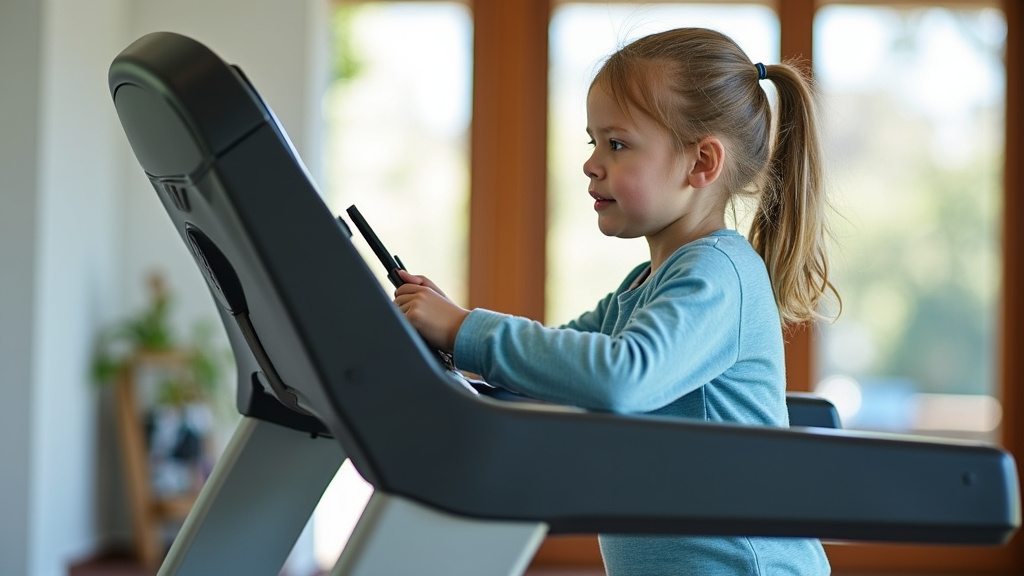
Keeping your child safe on a treadmill is entirely achievable with the right approach. Remember, constant supervision and clear communication are your most powerful tools. By choosing a suitable machine, setting appropriate speeds, and teaching your child the rules, you can turn a potentially risky activity into a healthy habit. Always prioritize their well-being and readiness over simply wanting them to exercise. Start slow, stay vigilant, and make treadmill time a positive experience for your family.
Frequently Asked Questions
What is the youngest age a child can safely use a treadmill?
Research suggests children as young as 5 or 6 may use a treadmill, but readiness depends more on maturity than age. Your child needs to reliably follow instructions. Always supervise them closely, regardless of their age.
How can I prevent my child from falling off the treadmill?
Always maintain direct supervision and stay within arm’s reach. Ensure your child wears appropriate non-slip shoes and understands how to use the emergency stop button. Starting at the slowest speed and avoiding distractions can also help prevent falls.
What speed should I set the treadmill to for my child?
Begin with the slowest possible speed, typically between 0.5 to 1 mph, which allows for comfortable walking. Gradually increase speed only if your child is comfortable and can easily stop or step off. Avoid any incline initially.
Are there treadmills specifically designed for kids?
Yes, some manufacturers offer treadmills with features geared towards younger users, such as lower maximum speeds, smaller decks, and added safety guards. These can be a good option if you plan for frequent child use.
What should I do if my child wants to use the treadmill unsupervised?
Never allow your child to use the treadmill unsupervised. Explain firmly that it is not a toy and requires an adult to be present. If your child is insistent, consider alternative forms of exercise that are inherently safer for independent use.
