
What Is The Lifespan Of A Treadmill?
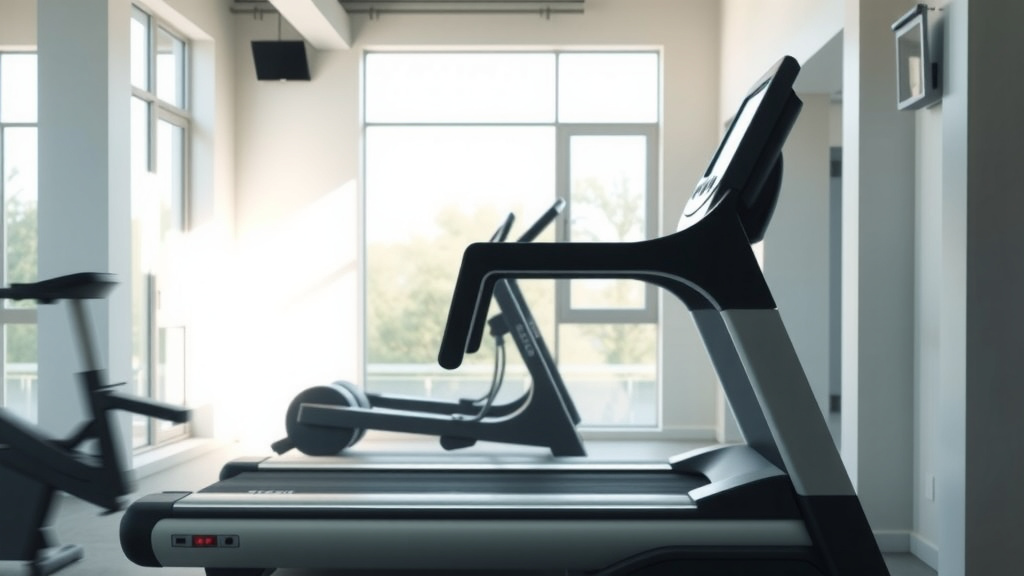
The lifespan of a treadmill typically ranges from 7 to 12 years, but this can vary greatly based on factors like build quality and how well you maintain it.
A treadmill’s durability is significantly influenced by its motor power, frame construction, frequency of use, and whether you commit to regular cleaning and lubrication.
- A treadmill usually lasts 7-12 years, similar to a car’s dependable service life.
- Higher quality models and consistent maintenance mean a longer life for your machine.
- Frequent use and heavier users can shorten a treadmill’s expected lifespan.
- Skipping cleaning, lubricating, or belt adjustments will wear out your treadmill faster.
- Knowing when to repair or replace can save you money and keep your workouts safe.
What Is The Lifespan Of A Treadmill?
On average, a treadmill will serve you well for around 7 to 12 years. Think of it like a trusty car; some might zip around for 15 years with careful handling, while others might start sputtering after 5.
This wide range comes down to many things, but don’t worry, we’ll break it all down. You can definitely influence how long your machine lasts.
Why Do Lifespans Vary So Much?
Ever wonder why some treadmills seem to last forever and others give up the ghost quickly? It is not just luck. Several core elements dictate your treadmill’s journey.
Understanding these can help you choose wisely or care for your current machine better. Let’s dig into the key differences.
Your Treadmill’s Brand Matters
Just like with any appliance, the brand and its build quality make a big difference. Commercial-grade treadmills, often found in gyms, are designed for constant, heavy use.
These machines have robust motors, sturdier frames, and higher quality components. Home treadmills can range from budget-friendly options to near-commercial quality, and their lifespan reflects that.
How Often You Use It
This might seem obvious, but how much you use your treadmill is a huge factor. A machine used daily for long, intense runs will experience more wear and tear.
In contrast, a treadmill used a few times a week for walking will likely last much longer. More “miles” on the belt means components work harder.
Your Weight and Running Style
The impact from your weight and whether you walk, jog, or sprint can shorten the lifespan. Heavier users put more stress on the motor, deck, and belt.
High-impact running also contributes more to wear than low-impact walking. Think of it as how quickly your car tires wear out based on your driving habits.
The Big Secret: Maintenance
If there’s one thing that will give your treadmill an extended life, it is consistent and correct maintenance. Many experts say that proper care can add years to a treadmill (Consumer Reports).
Ignoring simple tasks is a fast track to mechanical failure. It is not complex, just a little attention now and then.
Regular Cleaning is a Must
Dust and dirt are the enemies of electronics and moving parts. Make sure to regularly vacuum around and under your treadmill. Dust bunnies can clog the motor and reduce its cooling efficiency.
Also, wipe down the console and belt. Sweat can be corrosive over time and mess with sensitive buttons.
Lubrication Keeps Things Smooth
The treadmill belt needs occasional lubrication to reduce friction between the belt and the deck. We found that most manufacturers recommend this every few months or after a certain number of hours of use.
Check your manual for the specific type of lubricant and frequency. It is a small step that makes a huge difference.
- Clean under the belt first.
- Apply silicone lubricant as directed.
- Run the treadmill slowly to spread it.
- Wipe away any excess.
Belt Tension and Alignment
Over time, the treadmill belt can loosen or shift. A belt that is too loose can slip, while one that is too tight stresses the motor. An off-center belt can rub and cause premature wear.
Periodically, check your belt for correct tension and alignment. Adjust it according to your owner’s manual instructions. It is usually a simple turn of a wrench.
Signs Your Treadmill is Giving Up
How do you know if your trusty machine is nearing its end? Your treadmill often gives clues. Paying attention to these signals can help you decide whether to repair or start saving for a new one.
Listen to your machine, literally. Strange noises are often the first sign of trouble. Here is a quick guide to common issues.
| Symptom | Possible Cause | Action |
|---|---|---|
| Loud Squealing Noise | Worn motor belt, idler pulley | Inspect, replace belt/pulley |
| Belt Jerks or Slips | Loose belt, worn deck/belt, weak motor | Adjust tension, lubricate, inspect components |
| Motor Overheats Quickly | Clogged motor housing, faulty motor | Clean, consider professional repair |
| Control Panel Issues | Loose connections, worn console | Check wires, repair or replace console |
| Burning Smell | Overloaded motor, electrical fault | Stop use immediately, seek expert help |
Making Your Treadmill Last Longer
Want to push your treadmill’s lifespan past the average? You can! Being proactive with care can really extend its utility. Think of it as an investment in your fitness and your wallet.
A few simple habits can make a real difference. Here is a handy checklist to keep your machine happy.
- Read the Manual: Understand specific maintenance needs.
- Clean Regularly: Vacuum dust and wipe down surfaces.
- Lubricate the Belt: Follow manufacturer’s guidelines.
- Check Belt Tension: Adjust for optimal performance.
- Tighten Loose Bolts: Prevent rattles and wear.
- Use a Surge Protector: Protect electronics from power spikes.
When Is It Time for a New One?
At some point, even the best-maintained treadmill will reach its limit. How do you know when it is time to say goodbye? This decision often involves weighing repair costs against replacement value.
Sometimes, safety also plays a part. Let’s look at a few common scenarios.
Repair Costs vs. Replacement
If a major component, like the motor or control board, fails, the repair cost can be very high. Sometimes, it is 50% or more of the price of a brand-new, entry-level treadmill.
Weigh the cost of the repair against buying a new machine with a fresh warranty. Is it worth putting money into an old model?
Safety Concerns
If your treadmill is making grinding noises, the belt is constantly slipping, or the motor smells like it is burning, it could be a safety risk. Do not compromise your safety for an old machine.
A failing treadmill can cause trips, falls, or even electrical hazards. Your well-being is always the most important thing.
Conclusion
Your treadmill’s lifespan is largely in your hands. While factors like brand quality and usage play a part, consistent and simple maintenance can significantly extend its working life.
By keeping it clean, lubricated, and properly adjusted, you are not just caring for a machine; you are protecting your fitness investment. Listen to your treadmill, address issues early, and know when it is time to upgrade for safety and enjoyment.
How often should I lubricate my treadmill belt?
Most treadmill manufacturers recommend lubricating the belt every 3-6 months, or after 40-50 hours of use. Always check your specific owner’s manual for the exact schedule and type of silicone lubricant required, as it can vary by model.
Can I use any lubricant on my treadmill?
No, you should only use 100% silicone lubricant specifically designed for treadmills. Other lubricants like WD-40 or petroleum jelly can damage the belt and deck, void your warranty, and cause costly repairs.
What is the typical warranty on a new treadmill?
Warranties vary greatly by brand and price point. Most good quality treadmills come with a 5-10 year warranty on the motor and frame, and 1-3 years on parts and labor. Budget models might offer less, while premium models may offer lifetime frame warranties.
Is it worth repairing an older treadmill?
It depends on the repair cost and the age/value of the treadmill. If the repair is more than half the cost of a comparable new machine, or if the treadmill is already very old (over 10-12 years), it might be more economical to invest in a new one with an updated warranty and features.
How can I tell if my treadmill belt is too tight or too loose?
A belt that is too tight will make the motor work harder, potentially causing it to overheat and leading to a strained, jerky feel during use. A belt that is too loose will slip or hesitate when you step on it, especially during runs. Your manual provides instructions on how to check and adjust the tension correctly.
