Treadmill vs Concrete Walking: Which Should You Choose? (October 2026)
Choose a treadmill for controlled indoor walks and concrete for an outdoor route that fits your routine. The best walking on concrete or treadmill depends on your comfort, available space, weather and how much pace control you want.
On this page (6 sections)
- Is walking on concrete or a treadmill better for everyday exercise?
- How does the surface affect walking comfort?
- Which option gives you more control over pace?
- What changes with weather, light and route access?
- Which treadmill fits a home walking routine?
- How should you decide between concrete and a treadmill?
Choose a treadmill for indoor walks with controlled pace, or concrete for a free outdoor route. The best walking on concrete or treadmill depends on your comfort, weather, space and preference for machine controls.
A treadmill lets you set a steady speed and, on some models, incline. Concrete gives you a fixed, firm surface outdoors, with pace and route shaped by your surroundings.
Neither surface is automatically right for everyone. Start with what makes regular walking practical, then adjust if the surface or routine feels uncomfortable.
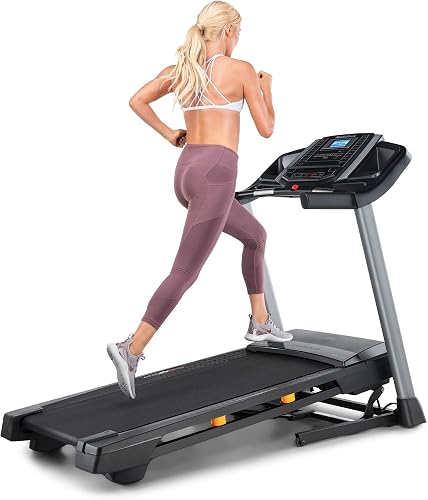 Best for adjustable indoor walks
NordicTrack T Series Treadmills for Home
 Best for compact indoor walking
Pcrignbm Treadmills for Home Walking Pad Machine
Is walking on concrete or a treadmill better for everyday exercise?
A treadmill suits controlled indoor sessions; concrete suits outdoor walks without machine setup. Both can fit everyday exercise when you can walk at a comfortable pace and stay consistent.
On a treadmill, you choose the belt speed and can stop without planning a route back. Some treadmills also add incline, which changes the walking effort without needing a hill.
See incline treadmill walking vs running for how the choice differs.
Concrete offers a predictable, firm path, but the route may include crossings, slopes, curbs or uneven joints. Pay attention to traffic and footing, especially when walking after dark or in wet weather.
If you want to compare treadmill options for steady indoor walks, see our Best Treadmill For Walking. For more vigorous sessions, our guide to Best Treadmill For Power Walking can help match features to your pace.
How does the surface affect walking comfort?
Choose the surface that feels comfortable during and after a short walk. Concrete is firm, while treadmill decks vary in their cushioning and feel.
NordicTrack says its T Series uses KeyFlex cushioning to support smoother strides. This feature description doesn't guarantee a particular comfort outcome.
Concrete doesn't flex underfoot like a cushioned deck may. Your shoes, walking form, pace and the time spent walking all affect how the route feels, so try a modest duration before extending your walks.
Is walking on concrete or a treadmill better for joint comfort?
There isn't one surface that's best for every person's joints. If you have persistent pain or a condition that affects walking, ask a health professional what activity is suitable for you.
A treadmill with cushioning may be worth considering if firm pavement feels uncomfortable. Check the exact model's features and walking area, then begin at a low speed.
Which option gives you more control over pace?
A treadmill gives you direct pace control; outdoor concrete walking lets you set your own pace by feel. Treadmill pace control also varies by design; compare curved vs regular treadmills.
The machine is useful when you want repeatable sessions or a steady speed.
NordicTrack T Series models offer speeds up to 10 MPH and incline up to 10%. See NordicTrack treadmills with incline for the model comparison.
Those ranges include running capability, but walkers can use lower speeds and incline settings that suit their ability.
The Pcrignbm walking pad has a 0.6–6.2 MPH speed range, a 39 x 15 in belt and 12 preset programs. For another compact indoor exercise comparison, see walking pads vs vibration plates.
Its smaller belt may suit walking at home, but check that the usable walking area fits your stride.
For brand-specific options, compare our guide to the best NordicTrack treadmill for walking. If your goal is a fast, deliberate walking style, see Best Treadmill For Race Walking.
What changes with weather, light and route access?
A treadmill keeps your walk indoors when weather or route access is a problem. Concrete walking depends on conditions outside and a route you can use safely.
Rain, extreme heat, poor lighting or busy streets can make an outdoor walk less convenient. An indoor treadmill removes route planning, though you'll need enough room to place and use the machine.
Outdoor walking can be easier to start if a safe path is close by. Think about crossings, surface repairs, hills and whether the route has places to pause.
If you also compare walking with running, our guide on running on concrete or a treadmill covers how the choice changes at a higher impact activity.
Which treadmill fits a home walking routine?
Choose a treadmill by the walking space, controls and storage you need. Measure the area in use, not only the folded footprint.
The NordicTrack T Series is a fit if you want a 20 in wide deck and adjustable incline. For a brand comparison, see NordicTrack vs ProForm treadmills.
The T6.5S model has a 55 in deck and a folding frame; its iFIT features require a membership.
For more belt-width choices, compare treadmills with wide running belts.
The Pcrignbm walking pad is a compact option for storage-focused homes. It folds to 45.08 x 21.85 x 5.2 in and has handrails, but its 39 x 15 in belt is narrower and shorter than the T6.5S deck.
Before buying any treadmill, check whether its size and walking area suit your room and stride. Our guide to how to choose the right treadmill size covers the measurements to consider.
How should you decide between concrete and a treadmill?
Pick concrete if you have a safe route and prefer outdoor walking; pick a treadmill if you want indoor access and pace controls. Comfort and repeatability matter more than choosing the surface that sounds tougher.
Try a short walk first. On concrete, check the route and wear shoes that feel secure; on a treadmill, begin at a low speed and stay within the belt area.
If your walking plan includes strength work, our comparison of adjustable dumbbells or kettlebells can help you choose a separate home-gym tool. For low-impact cardio alternatives, read Niceday elliptical CT11 vs CT11S.
Choose concrete when the route makes it easy to get outside, and choose a treadmill when indoor control helps you walk more often. Reassess if discomfort, space or weather changes what feels practical.
Frequently asked questions
Is walking on concrete or a treadmill better?
A treadmill is better when you want indoor walking, controlled speed or an incline option. Concrete is better when you want an outdoor route and don't need machine controls.
Either can support a regular walking routine.
Choose based on the route, weather, space and surface that feel manageable for you.
Is treadmill walking easier on your joints than concrete?
A treadmill may feel more comfortable if its belt and cushioning soften each step, but comfort varies by person and machine. The NordicTrack T Series includes KeyFlex cushioning, while concrete is a firm surface.
Start at an easy pace and stop if walking causes pain.
Can you get a good workout by walking on concrete?
Yes. A brisk outdoor walk on concrete can be a useful way to add movement, and hills or a longer route can change the effort.
Wear comfortable shoes, choose a safe route and adjust your pace to your fitness and surroundings.
Can a treadmill replace outdoor walking?
A treadmill can replace the walking portion of an outdoor routine when weather, daylight or route access gets in the way. It provides a belt, speed controls and, on some models, incline.
Outdoor walks still offer changing terrain and a route beyond your home.
Should beginners walk on concrete or a treadmill?
Beginners can use either surface. A treadmill makes it easier to set a slow pace and stop in place, while an outdoor route lets you walk without buying or storing equipment.
Begin with a comfortable duration and pace, then increase gradually as it feels manageable.