
Can You Plug a Treadmill into a Regular Outlet?

Yes, you can plug a treadmill into a regular household outlet, but there are important things to know first. Most treadmills are designed to work with standard 120-volt, three-prong outlets found in US homes. However, you need to ensure the circuit can handle the treadmill’s power needs to prevent issues.
Plugging your treadmill into the wrong type of outlet or an overloaded circuit can cause problems. You might experience tripped breakers, poor treadmill performance, or even electrical damage. It’s all about making sure your home’s electrical system is ready for your fitness equipment.
- Most treadmills use standard 120V outlets.
- Dedicated circuits are often best for treadmills.
- Avoid extension cords with treadmills.
- Check your treadmill’s power requirements carefully.
- Overloaded circuits can cause safety hazards.
Let’s walk through exactly how to safely power your treadmill and what to look out for to keep your workouts smooth and your home safe.
Understanding Treadmill Power Needs and Standard Outlets
You can plug most home treadmills into a regular household outlet. But understanding your treadmill’s power demands is key to a smooth workout and a safe home.
Think of your treadmill like a small, powerful appliance. It needs a certain amount of electricity to run its motor, elevate the deck, and power its display. Your home’s electrical system needs to be ready for this demand.
What is a Regular Outlet, Anyway?
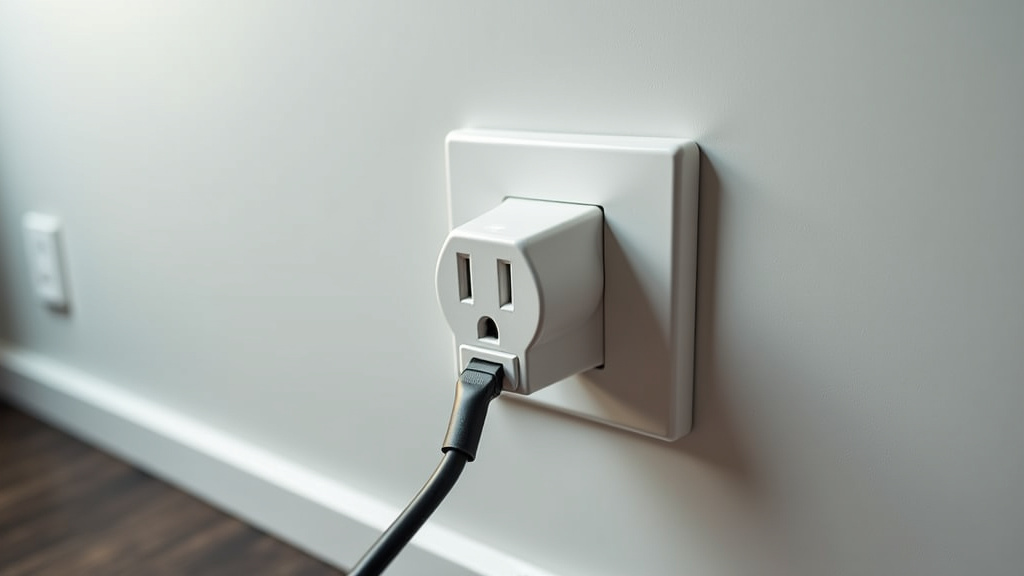
When we say “regular outlet” in the US, we’re talking about a standard 120-volt (V), 15-amp (A) grounded receptacle. You know, the three-pronged ones you see everywhere in your house. These are designed for most everyday appliances.
Most residential circuits in the US are rated for 15 or 20 amps. This rating tells you how much electrical current the circuit can safely handle before a breaker trips. It’s like a speed limit for electricity.
Your Treadmill’s Electrical Requirements
Every treadmill has specific power requirements. You’ll usually find these listed in your owner’s manual or on a label near the power cord. It will typically tell you the required voltage (usually 120V) and amperage (amps).
Many home treadmills need 15 amps. Some high-performance or commercial-grade models might require 20 amps. It’s important to know this number. It dictates where you can safely plug in your machine.
Finding the Amperage
How do you find your treadmill’s amperage? Check your owner’s manual first. Look for a section on “specifications” or “electrical requirements.” If you can’t find the manual, look for a sticker on the treadmill itself, usually near where the power cord plugs in. It might say something like “120V, 15A.”
The Importance of Dedicated Circuits
A dedicated circuit is often the best choice for your treadmill. It’s a circuit that powers only one appliance. Imagine it as a private highway for your treadmill’s electricity, with no other cars (appliances) sharing the road.
Why is this so helpful? When other appliances share a circuit, they all draw power from the same source. If their combined power draw exceeds the circuit’s limit, the circuit breaker will trip, shutting everything down.
Preventing Tripped Breakers
Nobody wants their workout interrupted by a sudden power outage. A tripped breaker is usually an inconvenience, but it signals that the circuit was overloaded. Continuously tripping breakers can also put stress on your electrical system.
Plugging your treadmill into a dedicated circuit significantly reduces the chance of tripping a breaker. It ensures your treadmill gets all the power it needs without competing with your TV, lights, or toaster.
Understanding Circuit Breakers
Circuit breakers are safety devices. They protect your home’s wiring from overheating, which could cause a fire. When a circuit is overloaded, the breaker “trips,” cutting off the power. This is a good thing – it’s doing its job.
If your treadmill is on a shared circuit, think about what else might be running at the same time. A hairdryer, a vacuum cleaner, or even multiple lights can add up quickly and push a circuit past its limit when combined with a treadmill’s demand.
Avoiding Extension Cords and Power Strips
This is a big one: avoid using extension cords or power strips with your treadmill. While it might seem convenient, it can be dangerous and detrimental to your treadmill’s performance.
Extension cords and power strips can’t always handle the continuous, high-power draw of a treadmill. They can overheat, damage your equipment, and even create a fire hazard. We found that most treadmill manufacturers strongly advise against their use (National Fire Protection Association guidelines also support this).
Why Extension Cords Are a No-Go
Most standard extension cords are not designed for the sustained current that a treadmill motor requires. They have thinner wires, which can lead to a voltage drop. This means your treadmill isn’t getting enough consistent power, causing the motor to work harder, overheat, and potentially fail prematurely.
Think of it like trying to drink a thick milkshake through a very thin straw. You can do it, but it’s a lot of effort, and the straw might collapse. Similarly, the extension cord struggles, heats up, and can fail.
Potential Hazards
The risks are real. Overheated cords can melt or even catch fire. This isn’t just about protecting your treadmill; it’s about protecting your home and family.
Even if an extension cord doesn’t cause a fire, the reduced power can make your treadmill run poorly. You might notice jerky movements, a struggling motor, or inaccurate speed readings. Your treadmill is an investment; don’t compromise its performance or lifespan.
Checking Your Home’s Electrical Capacity
Before you plug in your new treadmill, take a moment to assess your home’s electrical setup. It’s a quick check that can save you a lot of hassle.
You want to ensure the outlet you plan to use is appropriate. This involves identifying the circuit and understanding its capacity.
Identifying the Circuit and Amperage
Go to your electrical service panel (breaker box). Each breaker switch should be labeled, indicating which parts of your home it controls and its amperage rating (e.g., “Kitchen Outlets – 20A,” “Bedroom Lights – 15A”).
If they aren’t labeled, you can carefully turn off one breaker at a time and see which outlets lose power. This helps you figure out which outlets are on which circuit and what else is connected to them. Just be careful and consider having a qualified electrician help if you’re unsure.
The Treadmill Power Checklist
Here’s a quick checklist to help you ensure you’re powering your treadmill safely and correctly:
- Consult your treadmill’s owner’s manual for specific voltage and amperage requirements.
- Locate a standard 120V, three-pronged outlet for your treadmill.
- Identify the circuit breaker for that outlet and its amperage rating (15A or 20A).
- Ensure the chosen circuit is dedicated, or at least not heavily loaded with other appliances.
- Confirm the outlet is grounded (has three holes).
- Absolutely avoid using extension cords or power strips.
When to Call an Electrician
Sometimes, your home’s existing electrical system just isn’t quite ready for a treadmill. This is when it’s smart to call in a professional.
Don’t hesitate to contact a qualified electrician if you’re unsure about any aspect of your home’s wiring, or if you need modifications. Electrical work is not a DIY project for most homeowners.
Signs You Might Need an Electrician
How do you know it’s time to call an expert? Look out for these signs:
- Your home only has 15-amp circuits, but your treadmill requires a 20-amp circuit.
- You consistently trip breakers when using your treadmill, even on a seemingly clear circuit.
- There are no conveniently located outlets that aren’t already heavily loaded.
- Your outlets are old, loose, or show signs of damage.
- You need a dedicated circuit installed for your treadmill.
Installing a Dedicated Circuit
An electrician can safely install a new dedicated circuit and outlet specifically for your treadmill. This involves running new wiring from your service panel to the treadmill’s location and installing a new breaker. This is the safest and most reliable solution for long-term treadmill use.
While it’s an upfront cost, it’s an investment in your safety and the longevity of your treadmill. Peace of mind during your workouts is priceless, wouldn’t you agree?
Conclusion
Plugging in your treadmill safely means understanding its power needs and your home’s electrical capacity. While most home treadmills work with regular 120V outlets, checking for dedicated circuits and avoiding extension cords is vital. We found that taking a few moments to review your owner’s manual and electrical panel can prevent serious issues. Prioritizing safety ensures smooth workouts and protects your home.
If you’re ever in doubt about your electrical setup, don’t hesitate. Consult a qualified electrician to ensure your treadmill is powered correctly and securely.
Frequently Asked Questions
Can a treadmill cause my electricity bill to be very high?
A treadmill uses electricity primarily when its motor is running. While it won’t drastically increase your bill like an HVAC system, consistent daily use will add to your energy consumption. The exact cost depends on your local electricity rates and how often you use it.
What’s the difference between a 15-amp and a 20-amp outlet?
A 15-amp outlet and circuit can safely handle up to 15 amps of current, while a 20-amp one handles up to 20 amps. 20-amp outlets often have a small horizontal slot off one of the vertical prongs. Higher amperage circuits are designed for appliances that draw more power, like some larger treadmills.
My treadmill keeps tripping the breaker. What should I do first?
First, unplug your treadmill and any other appliances on that circuit. Then, try plugging the treadmill into a different, known good outlet on a separate circuit. If it still trips the breaker, there might be an issue with the treadmill itself. If it works elsewhere, the original circuit is likely overloaded or insufficient.
Is it okay to plug my treadmill into a GFCI outlet?
Yes, plugging a treadmill into a Ground Fault Circuit Interrupter (GFCI) outlet is generally safe. GFCI outlets offer added protection against electrical shock, which is beneficial. However, ensure the GFCI circuit can handle the treadmill’s amperage without tripping frequently.
What if my treadmill’s power cord doesn’t reach the outlet?
If your treadmill’s cord is too short, the safest solution is to relocate the treadmill closer to an appropriate outlet. If that’s not possible, you’ll need to have a new dedicated outlet installed by a qualified electrician in a suitable location. Avoid using extension cords, as they pose significant safety risks for treadmills.
