
How To Fix Broken Treadmill?
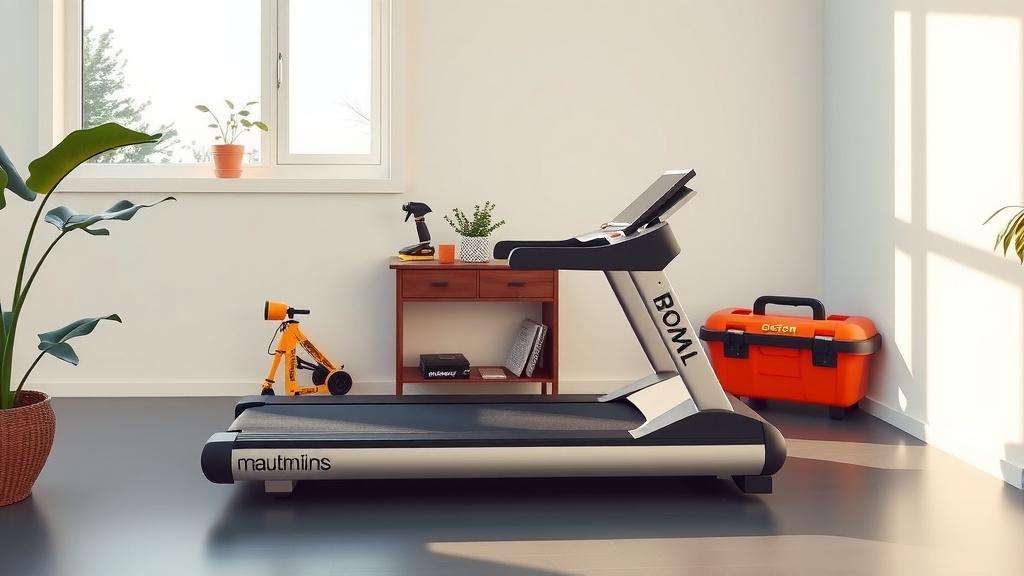
To fix a broken treadmill, start by checking the power source and circuit breaker, then inspect common parts like the safety key, lubrication, and belt alignment. Many issues are simple fixes you can handle at home.
You can often troubleshoot a faulty treadmill by systematically examining its components, from the power cord to the motor, before needing professional help.
Here’s a quick overview of what you’ll find in this guide:
- Most treadmill problems are actually simple to diagnose and fix yourself.
- Always begin with power checks, as loose cables or tripped breakers are common culprits.
- Proper lubrication and belt alignment can prevent many issues and extend your treadmill’s life.
- Understanding error codes is your secret weapon for quickly pinpointing complex problems.
- Safety is always first; disconnect power before attempting any repairs.
How To Fix Broken Treadmill?
Fixing a broken treadmill often involves a bit of detective work, starting with the simplest solutions before moving to more complex components. You can usually resolve issues like power failures, strange noises, or jerky belts with some careful checks and basic tools.
Safety First: Before You Start Any Repair
Before touching anything, remember to unplug your treadmill from the wall. This is a non-negotiable safety step, protecting you from electrical shock. Think of it like turning off the water main before fixing a leaky pipe.
You’re dealing with a powerful machine; safety precautions protect both you and your equipment. Always ensure the power is completely off before opening panels or touching internal parts.
Power Problems: Is Your Treadmill Really Broken?
Sometimes, your treadmill isn’t truly broken; it’s just not getting power. Have you checked the wall outlet? Try plugging in another appliance to confirm the outlet works. Many users overlook this simple step.
Next, check the treadmill’s power cord itself. Is it fully seated? Are there any visible cuts or frays? A damaged power cord can prevent any operation, and it’s a relatively easy fix to replace (NIH).
Don’t forget your home’s circuit breaker. A treadmill draws a lot of power, and it can easily trip a breaker. Simply resetting the breaker might be all you need to do to bring your machine back to life.
Is the safety key in place? Most treadmills won’t start without it. It’s a small, magnetic key, often red, that clips to your clothing. Make sure it’s properly seated in the console.
Belt Issues: Slipping, Sticking, or Stopping
A treadmill belt can cause many frustrations. Is your walking belt slipping when you step on it? This often means the belt needs tension adjustment, which usually involves turning screws at the rear of the deck.
A sticky or jerky belt might need lubrication. Over time, the deck under the belt dries out. We found that regular silicone lubrication (check your manual for type) can dramatically improve belt movement (Consumer Reports).
Many experts say that if your belt is off-center, it can rub and cause friction or even stop. You can usually re-center the belt using the same rear roller adjustment bolts. Turn them in small increments.
Here’s a quick checklist for belt troubles:
- Unplug the treadmill.
- Check belt tension.
- Lubricate under the belt.
- Adjust belt alignment.
- Inspect for damage or tears.
Motor Malfunctions: Strange Noises or No Movement
If your treadmill isn’t moving, but the console lights are on, you might have a motor issue. Do you hear a buzzing noise, or nothing at all? A loud grinding sound could indicate a motor brush problem (if your motor has them).
Sometimes, the motor isn’t receiving power from the control board. This is where things get a bit more technical. You might need to check connections to the motor and the motor control board.
A burnt smell is a clear sign of a motor problem, likely overheating. If you smell burning, stop using the treadmill immediately and unplug it. This often means a motor or control board replacement is needed.
Console Conundrums: Displaying Errors or Not Responding
Is your console displaying error codes? These codes are like your treadmill’s secret language, telling you exactly what’s wrong. Consult your owner’s manual; it lists all the codes and their meanings.
A non-responsive console might be due to loose cables connecting it to the motor control board. Carefully open the console and check all ribbon cables for secure connections. Static electricity can also play a role.
Sometimes, simply resetting the treadmill (unplugging for a few minutes, then plugging back in) can clear minor software glitches. It’s like giving your computer a quick reboot when it acts up.
Decoding Common Error Codes
Error codes can seem daunting, but they are your best friend. For example, an “E1” code often means a speed sensor problem, while an “E2” might point to a motor control board issue. Always refer to your specific model’s manual for accuracy.
Incline Inaccuracies: Stuck or Not Changing
Is your incline feature not working? It might be stuck at one level or not adjusting at all. This is often related to the incline motor or sensor. Check for any obstructions under the deck that might be blocking its movement.
Sometimes, the incline mechanism just needs a little lubrication, especially at pivot points. A gentle cleaning of the incline sensor can also help. Many experts suggest keeping the area around the incline motor clear (ACSM).
Lubrication and Maintenance: Your Treadmill’s Best Friend
Regular maintenance is key to preventing most breakdowns. Lubricate your deck as recommended by the manufacturer, usually every few months, depending on use. This prevents friction and saves your motor.
Keeping the area around your treadmill clean, especially under the motor hood, is important. Dust and debris can build up, causing overheating and other issues. You can use a vacuum to gently clean the motor area, but unplug it first!
When to Call a Professional: Knowing Your Limits
While many fixes are DIY-friendly, some problems require a professional. If you’ve checked all the basics and your treadmill is still acting up, or if the issue involves complex electrical components, it’s time to call in an expert. Safety always comes first, and a professional can diagnose intricate problems safely.
If your treadmill is under warranty, definitely call the manufacturer first. Attempting complex repairs yourself could void the warranty. It’s often the smartest and safest option when in doubt.
Treadmill Problem-Solving Guide
| Problem Symptom | Common Cause | DIY Fix? |
|---|---|---|
| No Power at all | Power cord, outlet, circuit breaker, safety key | Yes (Check & Reset) |
| Belt Slips/Jerks | Loose belt, lack of lubrication | Yes (Adjust & Lube) |
| Motor Not Moving | Motor control board, motor brushes, loose wires | Sometimes (Check wires) |
| Console Errors | Loose console cables, speed sensor, software glitch | Sometimes (Check manual, reset) |
| Incline Not Working | Incline motor, sensor, obstruction | Sometimes (Clear debris, Lube) |
Conclusion
Fixing a broken treadmill doesn’t always require a costly service call. By systematically checking the power, belt, motor, and console, you can often diagnose and resolve common issues yourself. Remember, safety is paramount; always unplug your machine before starting any work. Regular maintenance, like lubrication and cleaning, also plays a huge role in keeping your treadmill running smoothly for years. So, don’t throw in the towel too quickly; with a little patience, your trusty treadmill might just need a little TLC to get back on track!
How do I find my treadmill’s model number and serial number?
You can usually find your treadmill’s model and serial numbers on a sticker or plate located on the frame, often near the power cord, under the motor hood, or on the front of the deck. This information is vital for ordering parts or contacting customer support.
Can a treadmill motor be repaired, or does it always need replacement?
Sometimes a treadmill motor can be repaired, especially if the issue is with the motor brushes or a loose connection. However, if the motor windings are burnt or severely damaged, replacement is often the more practical and reliable solution for long-term use.
How often should I lubricate my treadmill belt?
The frequency of treadmill belt lubrication depends on your usage and the manufacturer’s recommendations, usually found in your owner’s manual. A good general guideline is every 3-6 months for regular home use, or more frequently if you use it daily or for longer sessions.
What should I do if my treadmill suddenly stops during a workout?
If your treadmill suddenly stops, first check the safety key to ensure it’s still in place. Then, unplug the machine, wait a few minutes, and plug it back in to attempt a reset. Also, check your circuit breaker, as heavy use can sometimes trip it.
Is it normal for a treadmill belt to feel warm after use?
Yes, it’s normal for a treadmill belt and deck to feel slightly warm after use due to friction. However, if it feels excessively hot to the touch or you detect a burning smell, that could indicate a problem with lubrication or the motor, and you should stop using it.
