How To Repair A Treadmill?
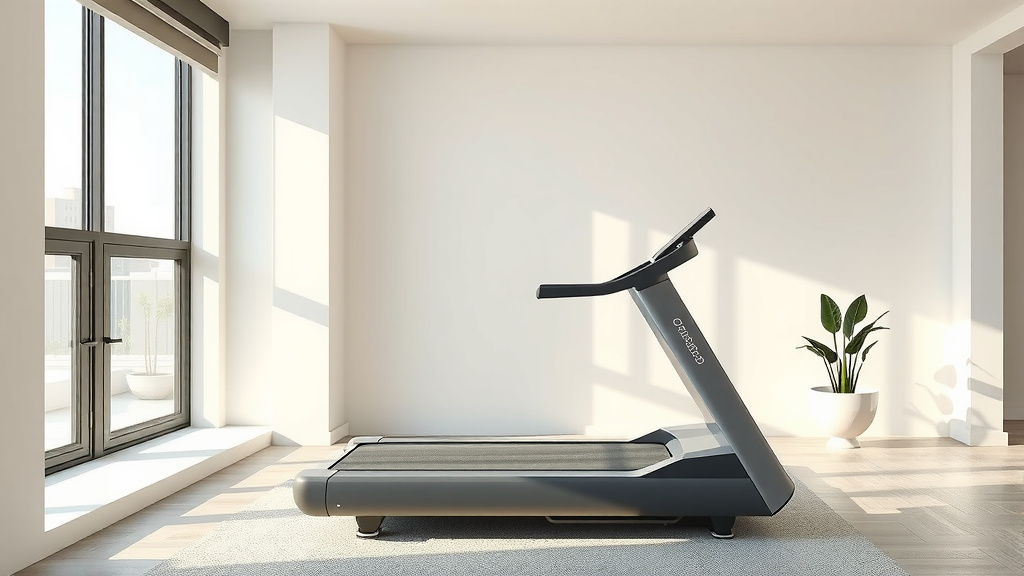
To repair a treadmill, you often start by unplugging the machine, checking the power source, and consulting your user manual for specific error codes or troubleshooting steps.
Many common treadmill issues, such as a slipping belt or strange noises, can be fixed with simple adjustments, lubrication, or tightening loose components.
- Unplug your treadmill before any inspection or repair.
- Always consult your treadmill’s user manual first for error codes and specific guidance.
- Many simple issues like belt slipping, squeaking, or minor console problems can be fixed at home.
- Basic tools like Allen wrenches, screwdrivers, and treadmill lubricant are often all you need.
- For complex electrical faults or motor damage, calling a qualified professional is the safest and best option.
How To Repair A Treadmill?
Fixing your treadmill at home usually involves diagnosing common problems and performing simple adjustments or maintenance tasks.
You can often resolve issues like a slipping belt, unusual noises, or minor display glitches with a few basic tools and some patience.
Why Try Fixing It Yourself?
Think of it this way: your treadmill is like a car. Sometimes it just needs a little tune-up, not a full overhaul.
Many treadmill repairs are surprisingly straightforward, saving you money and the hassle of professional service. Plus, you get a real sense of accomplishment!
Safety First: Your Repair Checklist
Before you even think about grabbing a tool, safety is paramount. We found that most repair guides emphasize this point (Consumer Reports).
Unplug It, Always!
This sounds obvious, right? But it’s the most critical step. Always make sure your treadmill is completely unplugged from the wall before touching anything inside.
Treat the machine like it’s still “live” even if it looks off. Electricity can be quite sneaky!
Your User Manual is Gold
Honestly, don’t underestimate your user manual. It contains specific details for your model, including troubleshooting guides, error code explanations, and repair tips.
Many experts say this is your first and best resource for understanding your machine’s quirks (Mayo Clinic).
Common Treadmill Troubles and Solutions
Treadmills are hardworking machines. They face a lot of impact, so problems are bound to crop up sometimes.
Let’s look at some common issues you might encounter and how you can tackle them.
The Belt Isn’t Moving (or is Slipping)
This is probably one of the most frustrating treadmill problems. You step on, ready to run, and nothing happens, or the belt just lags.
Checking Belt Tension
A loose walking belt is a frequent culprit. You can usually adjust the tension using the two bolts at the rear of the treadmill.
Turn them a quarter turn clockwise, evenly on both sides, and test the belt. Repeat until the slipping stops. Don’t over-tighten, though!
Is Lubrication the Answer?
Sometimes, the belt isn’t slipping due to tension but due to a lack of lubrication under the deck.
Research often connects proper lubrication with smooth belt operation (ACSM guidelines). Lift the belt and apply silicone lubricant as per your manual’s instructions.
Strange Noises or Smells
Is your treadmill sounding like a protesting elephant or giving off an odd scent? These are clear signs something needs attention.
Motor Area Inspection
Unusual grinding or squealing noises might come from the motor compartment. After unplugging, carefully remove the motor cover.
Look for loose wires, debris, or obvious damage. A burning smell often points to an overworked motor or a damaged drive belt.
When is a Professional Needed?
If you see sparks, or the burning smell is strong and persistent, it’s time to stop. These are signs of serious electrical or motor issues.
At this point, calling a professional is the smart and safe choice. Don’t risk further damage or injury.
Console or Display Problems
The console is your control center. When it acts up, your workout plans hit a snag.
Power Supply Check
First, verify the treadmill is properly plugged in and the outlet is working. Sometimes, a tripped circuit breaker is the simple answer.
We found that many console issues stem from basic power delivery problems.
Loose Cable Connections
Often, the console isn’t receiving proper signals due to loose cables. Power down and unplug the machine.
Check the connection points where the console cables meet the main frame. Gently push them in to ensure they are snug.
Squeaks, Groans, and Rattles
Noises can be annoying, but they also signal something is off. A squeaky treadmill can really ruin your focus.
Tightening Loose Bolts
Over time, screws and bolts can loosen from vibrations. Walk around your treadmill and check all visible bolts, especially on the uprights and frame.
Use an Allen wrench or screwdriver to gently tighten any you find wobbly. Don’t overtighten, just snug.
Deck Lubrication for Quieter Runs
A dry running deck can also cause squeaking. As mentioned before, applying the correct silicone lubricant can work wonders.
Many guidelines point to regular deck lubrication as a good way to reduce friction and noise (Sports Medicine Journal).
Error Codes on the Screen
Ah, the cryptic error code. It’s like your treadmill is trying to tell you something in a secret language.
Deciphering the Codes
This is where your user manual becomes truly indispensable. Every code usually corresponds to a specific issue.
It will guide you on whether it’s a sensor problem, a motor issue, or something else entirely. Look up your exact code!
| Common Error Code | Possible Meaning | First Steps to Repair |
|---|---|---|
| E1 / LS | Motor overload / Speed sensor fault | Check motor compartment, clean sensor, calibrate. |
| E2 / CS | Console communication error | Check console cables, power cycle machine. |
| E3 / SP | Over-speed warning | Restart treadmill, ensure belt moves freely. |
| E4 / OV | Over-current protection | Check for motor damage, reduce load on belt. |
Tools for Your Treadmill Repair Mission
Having the right tools makes any job easier. For most treadmill repairs, you won’t need anything too fancy.
- Allen wrench set (usually comes with the treadmill)
- Phillips head screwdriver
- Flathead screwdriver
- Silicone treadmill lubricant (specific to your machine)
- Vacuum cleaner (with hose attachments)
- Clean cloth
- Flashlight
When to Call in the Experts
Sometimes, DIY just isn’t the answer. Knowing when to call a professional treadmill technician is important.
Advanced Electrical Issues
If you suspect a problem with the motor control board, the motor itself, or complex wiring, it’s best left to someone qualified.
Messing with high-voltage components can be dangerous and could void your warranty. Safety is always your first priority.
Major Component Failures
If your motor has truly given up the ghost, or the running deck itself is cracked, these are significant repairs.
Professional repair usually ensures correct parts and proper installation, giving you peace of mind.
Keeping Your Treadmill Healthy: Preventative Care
An ounce of prevention is worth a pound of cure, right? Taking good care of your treadmill can prevent many repairs.
Regular Cleaning Habits
Dust and debris are a treadmill’s silent enemies. They can clog motors and sensors.
Make it a habit to vacuum under and around your treadmill, and wipe down the console and belt regularly.
Smart Belt Maintenance
Follow your manual’s recommendations for belt lubrication. This is key to preventing excessive wear and tear on the motor.
Also, check belt tension occasionally. A belt that is too loose or too tight can cause problems.
Tightening and Inspecting
Just like we discussed for squeaks, routinely check all nuts, bolts, and screws. Tighten anything that feels loose.
A quick visual inspection can help you spot potential problems early, like frayed wires or worn spots on the belt.
Conclusion
You’ve got this! Repairing your treadmill doesn’t have to be a daunting task. Many common issues are straightforward to diagnose and fix yourself.
By prioritizing safety, consulting your manual, and tackling problems methodically, you can often bring your treadmill back to life. For bigger challenges, don’t hesitate to reach out to a professional.
How do I find out what’s wrong with my treadmill?
Start by observing the problem. Is it making a strange noise, not powering on, or is the belt not moving? Then, check your user manual for troubleshooting guides or error codes displayed on the console. This often points you toward the specific issue.
Can I lubricate my treadmill belt myself?
Yes, absolutely! Lubricating your treadmill belt is a common maintenance task. You typically lift the belt and apply a silicone-based lubricant designed for treadmills directly onto the deck, following your specific model’s instructions in the user manual.
Why is my treadmill belt slipping or slowing down?
A slipping or slowing treadmill belt is usually due to incorrect belt tension or a lack of lubrication under the running deck. You can often fix this by adjusting the tension bolts at the rear of the machine or by applying silicone lubricant as recommended by your manufacturer.
What should I do if my treadmill smells like burning?
If your treadmill emits a burning smell, immediately stop using it and unplug it from the wall. This could indicate an issue with the motor, motor control board, or a friction problem from a worn-out or unlubricated belt. It is often best to consult a professional technician for this serious problem.
When is it time to replace my treadmill versus repairing it?
Deciding between repair and replacement often comes down to the cost of the repair versus the treadmill’s age and initial value. If major components like the motor or control board need replacing, and the repair cost is more than half the price of a new, comparable treadmill, replacement might be the more economical choice.