
How To Run Inside Without Treadmill?
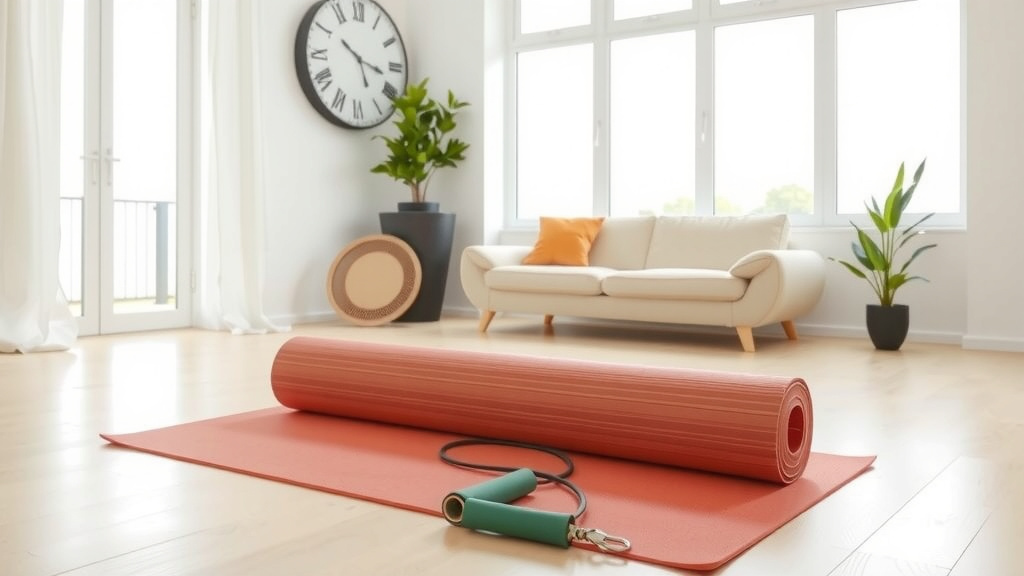
You can run inside without a treadmill by using bodyweight exercises, high-intensity interval training (HIIT), or engaging in active home workouts like shadow boxing or dance. These methods build cardiovascular fitness and strength.
Options like running in place, stair climbing, and following virtual fitness routines offer effective ways to get your indoor run without needing specialized equipment.
- Discover various effective ways to run indoors without a treadmill.
- Learn about bodyweight exercises and HIIT for cardio.
- Explore active workouts like dancing, jumping rope, and stair climbing.
- Find out how to structure your indoor running routines for best results.
- Get tips on staying motivated and making indoor running fun.
How To Run Inside Without Treadmill?
Running inside without a treadmill is totally possible and can be just as effective for your fitness goals. You simply need to get creative with your space and routine.
Why Run Indoors Without a Treadmill?
Sometimes heading outside for a run just isn’t an option. Maybe the weather is awful, or you don’t feel safe. A treadmill might also be too expensive or take up too much space.
Bad Weather? No Problem!
Rain, snow, or extreme heat can really spoil your outdoor running plans. Running indoors provides a consistent environment no matter what the forecast says.
You can keep your fitness routine going strong, staying dry and comfortable. It helps you maintain consistency, which is key for any fitness journey.
Cost-Effective Cardio
Treadmills can be a big investment. Skipping the treadmill means you can still get a great cardio workout without spending a penny on equipment.
Many indoor running options use only your bodyweight. This makes fitness accessible to everyone, regardless of budget.
Get Moving: No Equipment Needed
Ready to break a sweat? You likely have all the “equipment” you need right now. Your own body and a little space are perfect.
Running in Place: High Knees, Butt Kicks
This is the simplest way to simulate running. Stand in one spot and lift your knees high towards your chest.
You can also do “butt kicks” by bringing your heels towards your glutes. Vary the speed and intensity to challenge yourself.
- Start with a gentle jog in place for 30 seconds.
- Move to high knees, aiming to lift your knees above your hips.
- Switch to butt kicks, feeling the stretch in your quads.
- Mix short bursts of faster running with recovery jogging.
- Keep your arms pumping naturally, just like outdoor running.
Stair Climbing: A Vertical Challenge
If you have stairs at home, you have an incredible cardio tool. Running up and down stairs quickly builds leg strength and lung capacity.
Be sure to hold onto a railing for balance when starting. You will feel this in your glutes and quads very fast.
Jumping Rope: Classic Cardio
Remember jumping rope as a kid? It’s a fantastic full-body workout. Even without a physical rope, you can pretend to jump.
Perform the jumping motions, circling your hands as if holding a rope. This engages your calves and improves coordination. Many experts say it is one of the best cardio exercises (Cleveland Clinic).
Shadow Boxing or Dance Workouts
Want a more dynamic workout? Shadow boxing involves throwing punches and moving your feet without a partner or bag. It’s a great cardio and strength builder.
Dance workouts are another fun option. Put on your favorite music and just move. Freeform dancing burns calories and lifts your mood.
Structured Workouts: HIIT and Circuits
To make your indoor running more effective, try structured routines. High-Intensity Interval Training (HIIT) is particularly good for limited spaces.
High-Intensity Interval Training (HIIT)
HIIT involves short bursts of intense exercise followed by brief recovery periods. For example, sprint in place for 30 seconds, then walk in place for 60 seconds. Repeat this cycle.
We found that HIIT can burn a lot of calories in a shorter time (NIH). This makes it perfect for busy schedules.
| Workout Type | Intensity Level | Typical Duration | Benefits |
|---|---|---|---|
| Steady-State Cardio | Moderate, sustained | 30-60 minutes | Endurance, fat burn |
| HIIT (High Intensity Interval Training) | High, with rest periods | 15-30 minutes | Calorie burn, fitness gain |
Bodyweight Circuit Training
Combine several bodyweight exercises into a circuit. Do one exercise, then immediately move to the next with minimal rest. Examples include squats, lunges, push-ups, and planks.
Repeat the entire circuit several times. This keeps your heart rate up and works different muscle groups at once.
Using Technology and Virtual Coaching
Technology can be your friend when running indoors. Many apps and online platforms can guide your workouts.
Fitness Apps and Online Videos
Look for apps that offer guided indoor running routines or bodyweight cardio sessions. YouTube also hosts countless free workout videos for all fitness levels.
These resources provide structure and motivation. Many guides point to using apps as a good first step for beginners (Mayo Clinic).
Virtual Race Challenges
Some platforms offer virtual race challenges. You track your indoor “miles” and work towards a virtual finish line. This can be a great motivator to keep you consistent.
Knowing you are part of a larger community helps maintain enthusiasm. You can even compete with friends for fun.
Making Your Indoor Run Fun and Engaging
Running in place can get boring fast. How do you keep it fresh and exciting? A little planning goes a long way.
Music and Podcasts Are Your Friends
Create an upbeat playlist specifically for your indoor runs. Music with a strong beat can help you maintain pace and make the time fly by.
Podcasts or audiobooks can also provide a welcome distraction. Just remember to keep your focus on proper form.
Set Mini-Goals
Instead of thinking about a long, single session, break your workout into smaller goals. “I’ll do 5 minutes of high knees, then 3 minutes of stair climbing.”
Achieving these small milestones feels rewarding. It keeps you motivated to keep going and reach your next target.
Injury Prevention and Listening to Your Body
Even though you’re indoors, safety is important. Make sure you are taking care of your body to avoid any setbacks.
Warm-Up and Cool-Down
Always start with a 5-10 minute warm-up of light cardio and dynamic stretches. Finish with a 5-10 minute cool-down and static stretches.
Remember, warming up is vital for preventing muscle strains and preparing your body for action (Mayo Clinic).
Proper Footwear and Surface
Wear supportive athletic shoes, even when running in place. This protects your joints from impact.
If possible, run on a slightly cushioned surface like a rug or mat, not hard concrete or tile floors. Many experts suggest a softer landing for impact activities (CDC).
Indoor Running Checklist:
- Wear supportive athletic shoes.
- Warm up your body with light movements.
- Stay hydrated by keeping water nearby.
- Choose a clear, safe space for your workout.
- Listen to your body and take breaks as needed.
- Cool down with gentle stretches afterward.
Conclusion
Running inside without a treadmill is not only possible but also a highly effective and versatile way to stay fit. You have many options, from simple bodyweight movements like running in place and stair climbing to structured HIIT circuits. Using fitness apps or virtual challenges can add extra motivation and guidance.
By focusing on proper form, warming up, and choosing the right environment, you can enjoy a great workout right in your own home. So, next time you can’t hit the pavement or the gym, know that a powerful cardio session is just a few steps away, no treadmill required.
How can I make running in place more challenging?
To make running in place harder, increase your speed and arm pump, lift your knees higher, or incorporate high-intensity intervals. You can also add small ankle weights or a resistance band around your thighs for extra effort.
Is running on stairs effective for building endurance?
Yes, running on stairs is very effective for building both cardiovascular endurance and leg strength. It mimics hill training, providing a higher intensity workout compared to flat-ground running, which quickly improves your stamina.
What are some creative ways to stay motivated during indoor running?
To stay motivated, try creating themed workout playlists, listening to engaging podcasts, watching your favorite shows, or using fitness apps with virtual coaches. Setting small, achievable goals and tracking your progress can also keep you inspired.
Can I get the same benefits as outdoor running by running indoors without a treadmill?
You can achieve similar cardiovascular and strength benefits from indoor running without a treadmill. While you might miss the varying terrain and fresh air of outdoor running, the convenience and ability to control your environment can lead to consistent and effective workouts.
How important is footwear when running indoors without a treadmill?
Proper footwear is still very important, even when running indoors without a treadmill. Supportive athletic shoes help absorb impact and provide stability, protecting your joints from strain, especially on harder floor surfaces. Do not go barefoot for high-impact activities.
