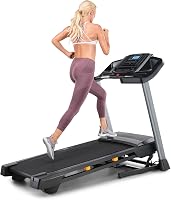
Incline Treadmill Walking vs Running: Which Is Better? (October 2026)
Choose incline walking for a lower-speed hill workout and running for a faster, higher-impact session. Your fitness level, preferred pace and treadmill’s incline and speed range can guide the choice.
On this page (8 sections)
- Incline treadmill walking vs running: what is the main difference?
- Which workout fits your goals and preferences?
- Which feels harder: a steep walk or a run?
- How does impact affect the choice?
- What treadmill features matter for each workout?
- How steep should you set the treadmill?
- Can you alternate walking and running?
- Which should you choose?
Choose incline treadmill walking for a lower-speed hill workout and running for a faster, higher-impact session. The incline treadmill vs running choice depends on your preferred effort, movement comfort and what your machine can do.
Walking uphill lets you add resistance without reaching a running pace. Running raises speed and impact, and may suit you better if you want a continuous jog or faster intervals.
The right choice is the one you can perform with steady form and repeat. Treadmill speed and incline limits also matter, especially if you want one machine for both styles.
 Best for brisk hill walks
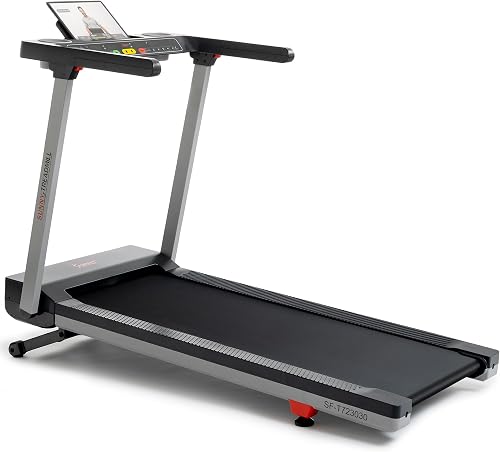
ApexNexus Treadmills for Home 3.0HP Foldable Treadmill
Incline treadmill walking vs running: what is the main difference?
Incline walking increases effort by raising the belt; running increases effort by raising speed and using a running gait. Both can be demanding, but they feel different and place different demands on your workout.
At an incline, you push against a slope while walking. You can keep your speed moderate and adjust the hill to change the challenge.
Running uses a faster stride with periods when both feet are off the belt. That can make a run more intense, but it also adds impact and requires enough belt length and speed for your pace.
Neither option is automatically better for fitness. Choose based on your goal, comfort, experience and access to a suitable treadmill.
What does incline walking train?
Incline walking makes a walk feel harder by adding a climb. The amount of challenge depends on the slope, speed, duration and how accustomed you are to hills.
A gentle incline can add variety to a steady walk. A steeper setting may raise the effort quickly, so start low and make small adjustments instead of jumping to the maximum.
Keep your stride natural and avoid leaning heavily on the handrails. If you need to grip the rails to stay on the belt, reduce the speed or incline.
For session ideas, see our guide to an incline treadmill walking workout. It can help you plan intervals around your pace and the hill settings available on your machine.
What changes when you run?
Running increases pace and impact, so belt room and speed range become more important. A treadmill intended mostly for walking may not suit your normal running stride.
Check the machine's maximum speed against the pace you want to reach. Also consider the belt dimensions, especially if you take long strides or plan faster intervals.
Some machines offer both incline and running speeds, while compact models may focus on walking and jogging. Our Best Treadmill For Running guide can help you compare options for regular runs.
Which workout fits your goals and preferences?
Choose walking uphill for a controlled, lower-speed session; choose running if you prefer faster movement and can handle its added impact. Your workout should match what you enjoy enough to do consistently.
If your goal is simply to move more, either can be a useful way to exercise. If you are building toward a specific running distance or pace, running practice is more directly matched to that goal.
Incline walking can be a good choice when you want a hill challenge without running. It may also work for warm-ups or active recovery, provided the slope and pace feel comfortable.
When is incline walking the better fit?
Incline walking may suit you if you prefer to keep both feet moving at a walking pace while increasing effort through the slope. It can also fit a home routine when you have a compact machine with a limited top speed.
Choose a lower incline at first, particularly if hills are new to you. Hold a pace that lets you maintain an upright posture and step without reaching for the console.
You can also vary the workout by alternating flat walking with short uphill sections. If your treadmill has manual incline, pause and follow the manual before changing the slope.
When is running the better fit?
Running may fit you if you enjoy a faster rhythm or want to practice running as a skill. A treadmill with a suitable speed range and running surface gives you more room to work at your normal pace.
Build speed gradually, and keep the first sessions short if you are returning after a break. Don't use a treadmill beyond its stated speed or weight limits.
A walking-focused treadmill can still offer light jogging for some users, but its speed ceiling may not support a running plan. Review dimensions and operating limits before buying.
Which feels harder: a steep walk or a run?
Either workout can feel harder depending on the pace, slope, duration and your conditioning. Compare effort during the session rather than assuming a steep incline always beats a run.
A short run at a challenging pace may feel more intense than a moderate uphill walk. A sustained climb may feel harder than an easy jog, especially if you are new to hills.
Use a talk test as a simple guide: at a moderate effort, you should be able to speak in short phrases. If you can't maintain control or your form changes, lower the speed or incline.
Treadmill calorie numbers can help you follow trends on the same machine, but they're estimates. Don't use them to decide that one workout is universally more effective.
How does impact affect the choice?
Running generally creates more impact than walking, while a steep incline can still make walking strenuous. Choose the movement that feels manageable for your body and current fitness.
Some treadmills describe their decks or belts as cushioned, but that doesn't guarantee a particular experience or prevent injury. Shoes, pace, stride, prior activity and surface all influence comfort.
If you have an injury, ongoing pain or a health condition that affects exercise, get guidance from a qualified health professional before starting a demanding routine. Stop if you feel sharp pain, dizziness or chest discomfort.
Can incline walking replace running?
Incline walking can provide a challenging cardio session, but it doesn't fully replace running practice if your goal is to run. It offers a different pace and movement pattern.
You can use uphill walks to add variety or maintain activity on days you don't run. If you're preparing for a race or aiming to improve running pace, keep appropriate running sessions in your plan.
What treadmill features matter for each workout?
For incline walking, prioritize a useful slope range and comfortable low speeds; for running, prioritize a speed range and belt size that fit your stride. Compare the exact model's operating limits with your intended use.
Manual incline can work if you're comfortable setting the slope before a session. Automatic incline lets you change the hill from the controls, which can help when alternating flat and uphill intervals.
Maximum speed is only one part of the decision. Belt width and length, user capacity, folding design and the amount of room around the treadmill also affect daily use.
Models for uphill walking and mixed sessions
The ApexNexus treadmill has a 12% manual incline and a speed range of 0.6 to 6.2 MPH, which makes it a fit for brisk hill walks and moderate jogging. The Best Incline Treadmill guide covers more options for uphill sessions.
The Sunny Health & Fitness model combines automatic incline up to 15% with speeds up to 10 MPH. That wider range suits people who want one treadmill for uphill walking and faster running, subject to the belt and room fitting their needs.
The LIJIUJIA treadmill has automatic incline from 0% to 15%, with speeds from 0.6 to 6.2 MPH. Consider it for walking and moderate jogging if those speed limits match your plans.
The THERUN treadmill combines an automatic incline range listed as 0% to 12% with a maximum speed listed as 8.7 MPH in its specs. Its title and feature details give different speed figures, so confirm the exact operating range before relying on it for a running pace.
For models focused on a faster pace, compare our guide to the Best Treadmill With Incline. If walking is your main goal, see the Best Treadmill For Walking guide.
How steep should you set the treadmill?
Start with a flat belt or gentle incline, then increase the slope in small steps as your comfort allows. The right setting depends on your walking pace, fitness and the treadmill's controls.
There is no single incline that works for everyone. A moderate slope can make a walk challenging, while a steeper grade may shorten your stride or make you lean forward.
Some treadmills offer unusually steep settings, but a higher maximum isn't automatically useful. Our guide to choosing a 40% incline treadmill explains why such steep grades call for careful matching to your workout and experience.
If you need to hold the rails, slow down or reduce the grade. Keep your posture comfortable, and follow the manufacturer's instructions for changing incline.
Can you alternate walking and running?
Yes, you can alternate walking and running if your treadmill supports both speeds and you can transition safely. Start with short run intervals and longer walking recoveries.
A simple session could begin with an easy walk, followed by brief jogs separated by recovery walks. Increase only one variable at a time, such as interval length or pace, so you can judge how the change feels.
Avoid stepping onto the side rails while the belt is moving. Use the console controls to slow the belt, and follow the safety instructions for your treadmill.
Which should you choose?
Pick incline walking if you want a hill challenge at walking speeds; pick running if you want faster movement and your treadmill supports your pace. If you want both, check the speed range, belt dimensions and incline controls before choosing a machine.
For a walking-focused routine, start with an easy pace and a mild slope, then build gradually. For a running plan, choose a machine with enough belt space and speed for your stride.
If you're also comparing cardio equipment with a different movement pattern, our Niceday elliptical CT11 vs CT11S comparison explains the differences between those elliptical models.
Sources:
Frequently asked questions
Is incline treadmill walking as effective as running?
Either can make a workout challenging, but they do it differently. Incline walking adds a hill while keeping pace lower; running raises speed and impact.
Your effort, session length and consistency matter, so choose the one you can do safely and repeat.
Does walking uphill on a treadmill burn more calories than running?
Calorie use varies with speed, incline, body size and workout length, so there isn't one reliable winner for everyone. A steeper walk can feel demanding, while running may use more energy per minute at a faster pace.
Treat treadmill calorie displays as estimates.
Can you run on an incline treadmill?
Yes, if the treadmill's speed range, belt space and manual support your running pace and stride. Check the exact model before choosing it for regular running; some compact incline treadmills top out near brisk walking or jogging speeds.
Is incline walking easier on your joints than running?
Walking usually involves less impact than running because one foot stays on the belt at a time, but incline still changes the effort and can challenge your legs. Start with a modest slope and stop if you feel pain, dizziness or unusual shortness of breath.
What incline should a beginner use?
Start at 0% or a gentle incline, then raise it only if you can keep a steady pace and speak comfortably. Short intervals give you a chance to judge how the slope feels.
Reduce the incline or stop if your form changes or you feel unwell.