How to Choose a Motorized Curved Treadmill
A motorized curved treadmill uses a powered belt on a curved running surface. Check how the belt starts and adjusts, whether the maker explains the controls and safety features, and whether the machine fits your training and available space.
On this page (7 sections)
- What does motorized curved treadmill mean?
- Is a motorized curved treadmill right for your training?
- What should you check before buying?
- How do powered curved and regular treadmills compare?
- Which powered treadmills are useful comparison points?
- How do you choose between motorized and self-powered curves?
- What is the final checklist for a motorized curved treadmill?
A motorized curved treadmill has a powered belt and a curved running surface. Before choosing one, verify how the motor controls belt speed, how the machine stops, and whether the deck and footprint suit your training space.
The phrase “curved treadmill electric” can refer to a curved machine with powered assistance, but product descriptions do not always explain the drive system clearly. Confirm the belt type and controls in the manual, and compare the options in our best treadmill with curved track guide.
What does motorized curved treadmill mean?
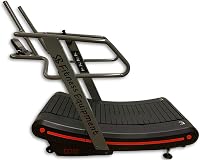
A motorized curved treadmill pairs a curved deck with a motor-driven belt. The word motorized describes the drive, while curved describes the running surface; check both features separately before you buy.
A self-powered curved treadmill typically moves when you drive the belt with your stride. A motorized version uses a motor, but the exact controls, speed adjustment and stopping behavior vary by model.
Do not assume a curved deck makes a treadmill self-powered, or that an electric motor means the deck is flat. Look for a clear description of both the belt drive and deck shape.
How does an electric curved treadmill control its belt?
A motorized curved treadmill uses controls to operate its powered belt, but the control layout and adjustment method are model-specific. The manual should explain how to start, change speed, pause and stop the machine.
Check whether speed changes through console buttons, hand controls or another method. Also check for a safety key or emergency stop and how it works before your first workout.
Is a motorized curved treadmill right for your training?
Choose one only if the curved deck and motorized drive both support the way you plan to train. Compare how you expect to walk, jog or run with the machine’s controls and stated speed range.
A powered belt may suit someone who wants motor-driven speed control. A curved deck may appeal to runners who prefer that shape, but the curve alone does not show how easy the machine is to use or whether its controls fit your routine.
For faster sessions, check the guide to choosing a curved treadmill for sprinting. It can help you focus on the running needs that matter before comparing individual machines.
What training details should you compare?
Start with your usual session, then check the machine against it. Look for stated speed limits, incline range if included, running surface dimensions and controls that you can reach while moving.
Think about how you will use the treadmill across a typical week. A machine intended for walking may not match your running plans, and the name alone cannot confirm suitability.
If you are new to curved decks, read how to run on a curved treadmill for practical points to consider as you get familiar with the surface.
What should you check before buying?
Check the drive system, deck dimensions, safety controls and space requirements before choosing. These details help you compare models without relying on a “curved” label that leaves key differences unclear.
Use this checklist:
- Belt drive: confirm that a motor powers the belt.
- Deck shape: confirm that the running surface is actually curved.
- Controls: find out how you start, adjust and stop the belt.
- Safety: check for a safety key or other stop control, and read its instructions.
- Running area: compare the deck length and width with the space you need for your stride.
- Room fit: measure the treadmill footprint, clearance and delivery route.
- Setup: check whether assembly is required and whether the machine can be moved or stored as needed.
Measure the space before comparing models. Our guide to choosing the right treadmill size covers the measurements to take.
Does a wooden curved deck change the buying decision?
A wood deck changes the deck material, not the need to verify the drive and controls. Check whether the machine is motorized, how the belt operates and whether the full treadmill fits your room.
If wood is a priority, compare the details in our wooden curved treadmill guide. Material alone does not confirm the machine’s belt type or intended training use.
How do powered curved and regular treadmills compare?
Both can use a motor-driven belt, but a curved deck differs from a regular flat deck. Compare the deck shape, controls, stated speed range and your training preferences rather than assuming one style fits everyone.
A regular treadmill may be a better match if you want a conventional flat running surface and familiar motor controls. A motorized curved treadmill may suit you if you specifically want a powered belt on a curved deck and can verify how that machine operates.
Our curved treadmill vs regular treadmill comparison walks through the key differences. Use it alongside the model’s manual and measurements.
Which powered treadmills are useful comparison points?
These powered treadmills offer reference points for speed controls, incline, cushioning and setup. Their available details do not confirm a curved deck, so check that feature directly if it is essential.
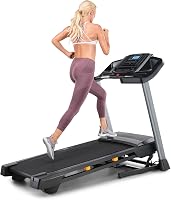
The NordicTrack T Series T6.5s has a 55 in deck and a 5 in LCD display. Its listed features include KeyFlex cushioning and an assisted folding frame.
The NordicTrack T Series T5 has an 18 in wide by 55 in long deck, an LCD display and KeyFlex cushioning. The brand describes iFIT membership as required for its guided workout features.
The Sunny Health & Fitness model has speeds up to 10 MPH, 24 preset workout programs and a folding design. Its stated deck dimensions and motor features can help you compare powered treadmill basics, but they do not confirm a curved surface.
Treat these as powered treadmill comparisons, not confirmed motorized curved treadmills. Verify deck shape and belt operation for any model you are considering.
How do you choose between motorized and self-powered curves?
Choose based on how you want the belt to move and how much control you want from the machine. Confirm the operating method in the manual, then compare that with your intended workouts.
A motorized option drives the belt with a motor, while a self-powered option relies on your movement to move it. Neither label alone tells you whether the deck size, controls or training range suit you.
If you want the belt to respond directly to your running effort, investigate self-powered models and their operating instructions. If you want motor-driven speed adjustment, confirm that the model offers the control range you need.
What is the final checklist for a motorized curved treadmill?
Choose a motorized curved treadmill only after confirming both the powered belt and curved deck. Then check the speed controls, safety stop, running area, room fit and instructions for starting and stopping.
Pick a motorized curve if you want that specific combination and the controls match your training. Pick a regular powered treadmill if a flat deck better fits your use, and compare the practical differences in our curved treadmill vs regular treadmill guide.
Frequently asked questions
What is a motorized curved treadmill?
A motorized curved treadmill combines a curved running surface with a motor that drives the belt. The belt movement and speed controls depend on the model, so check the maker's instructions before assuming it behaves like either a self-powered curved treadmill or a standard flat-deck treadmill.
Is every curved treadmill motorized?
No. Curved treadmills may use a self-powered belt that moves as you run, while motorized models use a motor to drive the belt.
Confirm the drive type and controls for the specific machine, since the word curved alone doesn't tell you how the belt operates.
Can a regular treadmill replace a motorized curved treadmill?
A regular motorized treadmill can provide powered belt movement, but it may have a flat deck rather than a curved one. Decide which feature matters to your workouts, then compare deck shape, speed controls, footprint and safety features before choosing.
What should I check before buying a motorized curved treadmill?
Check the belt drive, speed range, deck dimensions, user controls, safety stop, assembly needs and footprint. Confirm that the manual explains how to start, stop and adjust the belt, and measure your room and delivery route before ordering.
Are the NordicTrack T Series models curved treadmills?
The NordicTrack T Series models listed here are motorized treadmills with 0–10 MPH speed ranges, but the available details do not describe a curved deck. Treat them as powered treadmill alternatives, and confirm deck shape directly before choosing if a curve is essential.