Walking Pad vs Vibration Plate: Which Should You Choose? (October 2026)
Choose a walking pad for steady walking and a vibration plate for a vibration-based routine. They support different kinds of movement, so match the device to the activity you plan to do.
On this page (7 sections)
Walking Pad vs Vibration Plate: Which Should You Choose?
Choose a walking pad for steady walking and a vibration plate for a vibration-based routine. The main difference in the walking pad vs vibration plate choice is the movement: one carries your steps along a belt, while the other vibrates beneath you.
A walking pad fits a routine built around walking at home. A vibration plate fits a routine built around standing on a vibrating platform, with some models also including resistance bands or preset programs.
If a walking pad sounds closer to your goal, start with our What Is a Walking Pad? guide. If you already know you want one, our Best Walking Pad guide can help narrow the options.


Walking pad vs vibration plate: which should you choose?
Choose the walking pad if you want to walk on a moving belt; choose the vibration plate if you want a vibration-based routine. Neither device provides the other's main activity.
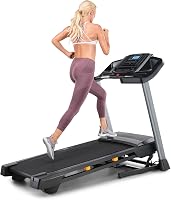
A walking pad has a belt that moves at a selected speed. You step on it and walk, so the workout depends on your pace and time spent moving.
A vibration plate has a platform that oscillates or vibrates. You stand on it, and some models let you add movements with resistance bands.
Think about the activity you will do most often, not just the number of settings. A device that matches your intended routine is easier to work into your day.
What does a walking pad do?
A walking pad moves a belt beneath your feet at a set speed, giving you a place to walk indoors. Depending on the model, it may have a remote, display, handles, incline options or a folding design.
The Yagud walking pad has a speed range of 0.6–3.8 mph, a remote control and an LED display showing speed, distance, time and calories. Its wheels help you move it for storage.
The LONTEK pad offers flat, 10% and 15% incline options, along with a speed range of 0.6–6.2 mph. Its incline is changed by hand, and it includes a removable phone or tablet holder.
For a broader look at the different formats, see different types of treadmill. A walking pad is one compact option within the treadmill family.
If you are comparing standard treadmills, see Sole F63 vs F80 for a model-to-model example.
What does a vibration plate do?
A vibration plate creates movement through a platform rather than a walking belt. You stand on its surface and follow the model's instructions for settings, stance and any included bands.
The AXV platform has 120 resistance levels, five programs, panel and remote controls, and two resistance bands. The Lifepro Waver has 99 speed settings, 10 preset programs plus manual mode, and includes loop bands, resistance bands, a remote and a user guide.
Those controls offer ways to vary a vibration routine, but they don't turn the platform into a treadmill. If walking itself is the priority, choose a belt-based device.
Which device fits your exercise goal?
Match the equipment to the activity you want to repeat: walking for a walking pad, or a vibration routine for a plate. Your intended use matters more than claims about calories, recovery or body changes.
A walking pad is a clearer fit if you want indoor steps while working at a standing desk or watching a show. You control your pace through the belt speed, and the routine resembles ordinary walking.
A vibration plate is a fit if you want a platform and will follow its operating instructions. Some models add bands or preset programs, which can change how you use the platform.
Follow the manufacturer's instructions for setup and operation. If you have a health concern or are unsure whether an activity is right for you, ask a health professional.
When does a walking pad make more sense?
A walking pad makes more sense when you want to build a routine around walking indoors. The moving belt gives you a pace to follow, while a remote or display can make basic adjustments and tracking easier.
A compact model can be useful when a full treadmill would be hard to place. Measure the area where you will walk and the place where you will store it, including the path needed to move it.
If you want a model with a broader speed range and incline settings, consider the LONTEK 15% Incline Walking Pad Treadmill alongside the choices in our treadmill guides. For more context on choosing a treadmill style, read How to Choose Between Different Types of Treadmill.
When does a vibration plate make more sense?
A vibration plate makes more sense when you want an exercise platform that uses vibration rather than walking movement. It may also suit a space where you want a small device that can be stored between sessions.
Look at how the controls work and what accessories come with the model. The AXV includes resistance bands and a remote; Lifepro includes loop bands, resistance bands, a remote and a user guide.
A vibration plate's settings don't tell you whether the routine will suit your preferences. Read its instructions and choose a model whose controls and recommended use feel clear to you.
How do space and storage compare?
Compare the actual dimensions and the storage position you can manage; don't assume every device will fit because it is marketed as compact. Walkways, furniture clearance and lifting needs all matter.
The Yagud walking pad's folded size is 47.2 x 19.6 x 4.6 inches. Its transportation wheels help move it, and its compact design can be placed under a bed or sofa when space allows.
LONTEK describes its pad as slim, with a design that can go under desks, beds or sofas, or stand upright against a wall. Its dimensions are 46.9 x 22.6 x 4.4 inches, and it weighs 45 lb.
Lifepro Waver measures 27 x 15 x 6 inches and weighs 27 lb. AXV's product description calls its plate compact but doesn't give dimensions, so confirm measurements before planning a storage spot.
Leave enough room to get on and off safely. A device can fit in a corner and still be awkward if you have to move furniture every time you use it.
How do speed, incline and settings differ?
Walking pads change belt speed and, on some models, incline; vibration plates change vibration settings or programs. Compare the controls that match your routine instead of treating more settings as automatically better.
The Yagud speed range is 0.6–3.8 mph. The LONTEK range is 0.6–6.2 mph, with flat, 10% and 15% incline options adjusted by hand.
AXV offers 120 resistance levels and five programs. Lifepro offers 99 speed settings, 10 presets and a manual mode.
More adjustment options can help you vary a routine, but only if you plan to use them. If you want to simply walk at a comfortable pace, speed and belt fit may matter more than a long menu of programs.
For a comparison focused on treadmills for different users, see Best Treadmill For Men. Use it to compare treadmill options by your space and routine needs.
What should you check before buying?
Check the device's dimensions, controls, operating guidance and intended use before choosing. A short measurement session can prevent a mismatch with your room or routine.
For a walking pad, check the belt dimensions, speed range, incline, handle arrangement and how it moves into storage. Confirm that your floor area leaves room around the unit for use.
For a vibration plate, check the speed or intensity controls, included accessories, programs and weight capacity. Follow the manual's guidance on stance and use, and don't infer a health benefit from the number of settings.
A treadmill category guide can help if you're still weighing belt styles; explore walking bike treadmill for another walking-oriented format. If you want to stay with compact walking equipment, the Best Treadmill 2026 guide offers more treadmill choices.
Which option should you pick?
Pick a walking pad if you want regular indoor walking, and pick a vibration plate if you want a platform-based vibration routine. Let the activity you intend to do most guide the choice.
Choose the Yagud for a walking pad with a remote, display and wheels. Choose the LONTEK if incline options and a higher top speed are useful to your routine.
Choose the AXV for a vibration plate with 120 levels and five programs. Choose Lifepro if 10 presets, manual mode and included bands are the features you want.
The best walking pad vs vibration plate choice is the one that fits your movement goal, space and comfort with the controls. Decide on the routine first, then compare the exact dimensions and instructions for the model.
Frequently asked questions
Is a walking pad or vibration plate better for walking?
A walking pad is the direct choice for walking because you move along its belt at an adjustable speed. A vibration plate has a vibrating surface and supports a different routine.
If regular steps are your goal, choose a walking pad and check its speed range, belt dimensions and storage needs.
Can a vibration plate replace a walking pad?
A vibration plate doesn't reproduce the continuous walking movement of a walking pad. It may suit someone seeking a compact vibration-based routine, while a pad gives you a moving belt to walk on.
Decide which activity you want before comparing controls, programs or storage.
Which takes less space, a walking pad or vibration plate?
Compare the exact dimensions and storage plan for the models you are considering. The Yagud walking pad's folded size is 47.2 x 19.6 x 4.6 inches, and Lifepro Waver measures 27 x 15 x 6 inches.
Can you use a walking pad under a desk?
Some walking pads are designed for under-desk use, but check the exact dimensions, handle setup and desk clearance before placing one there. The Yagud model is described as an under-desk walking pad and has a remote for speed adjustments.
Keep your posture and workspace comfortable.
Which is easier for a beginner to use?
A walking pad offers a straightforward activity: set a suitable speed and walk. A vibration plate uses different settings and positions, so read its manual and follow its guidance.
Choose based on the movement you feel comfortable doing and the instructions for that model.