
What Precautions Should You Take Running on a Treadmill?

Taking precautions when running on a treadmill can help prevent injuries and make your workouts more enjoyable. You should always warm up before starting, ensure the treadmill is on a stable surface, and use the safety clip to stop the machine quickly if needed. Proper footwear is also key.
Beyond the basics, understanding treadmill features can enhance your safety. Many treadmills offer pre-set programs that gradually increase intensity, mimicking natural terrain. We found that paying attention to the speed and incline settings can prevent overexertion. Staying hydrated and listening to your body are also vital parts of a safe treadmill session.
- Always warm up and cool down.
- Wear supportive running shoes.
- Use the safety clip.
- Start slow and gradually increase speed/incline.
- Stay hydrated.
Now, let’s walk through the essential precautions you should take to make your treadmill runs safe and effective.
Staying Safe on Your Treadmill Journey
Running on a treadmill can be a fantastic way to get your cardio in. It’s convenient and allows you to control your environment. But like any physical activity, taking the right precautions is key to preventing injuries and ensuring a positive experience. We’ve put together some essential steps to help you stay safe and sound.
Setting Up for Success: Your Treadmill Environment
Before you even think about hitting start, let’s talk about where your treadmill is located. A safe setup is the foundation of a good run.
Location, Location, Location
You might be tempted to shove your treadmill into a tight corner. But giving it some breathing room is important. Ensure there’s adequate space around the machine. You don’t want to feel boxed in. Aim for at least a few feet of clear space behind and to the sides. This is especially vital if you tend to drift during your run.
Stable Ground is a Must
A wobbly treadmill is a recipe for disaster. Make sure your treadmill is placed on a firm, level surface. Some people use special treadmill mats. These can help absorb shock and prevent the machine from sliding. If your floor isn’t perfectly even, consider using shims to level it out. Research and found that a stable base minimizes vibration and reduces the risk of the machine moving unexpectedly.
Mastering Treadmill Controls: Your Safety Command Center
Treadmills have a lot of buttons and settings. Understanding them is your first line of defense against mishaps.
The Mighty Safety Clip
This little guy is your best friend. The safety clip is a cord with a clip on one end and a magnetic piece on the other. You attach the clip to your clothing and the magnetic end to a designated spot on the console. If you stumble or fall, the magnet pulls away, and the belt immediately stops. We found that always using the safety clip is one of the most critical safety measures you can take, no matter your fitness level.
Starting Slow and Steady
It’s tempting to jump right into a fast pace. But it’s better to ease into it. Always start the treadmill at its slowest speed. Let the belt get moving before you step onto it. Once you’re comfortably on the belt, gradually increase the speed to your desired pace. This prevents sudden jolts and allows your body to adjust. If you’re considering using a walking treadmill for running, our guide explains if it’s a good idea.
Understanding Incline Settings
The incline feature can mimic hills, adding intensity to your workout. However, increasing the incline also shifts your center of gravity. Be mindful of how the incline affects your balance. If you’re new to using incline, start with a very low setting, perhaps 1-2%. Then, increase it incrementally. Many experts advise that adjusting incline should be done slowly and deliberately, just like speed adjustments (CDC).
Your Body’s Cues: Listening and Responding
Your body is constantly sending you signals. Learning to listen to them is essential for safe and effective training.
Footwear: The Foundation of Your Run
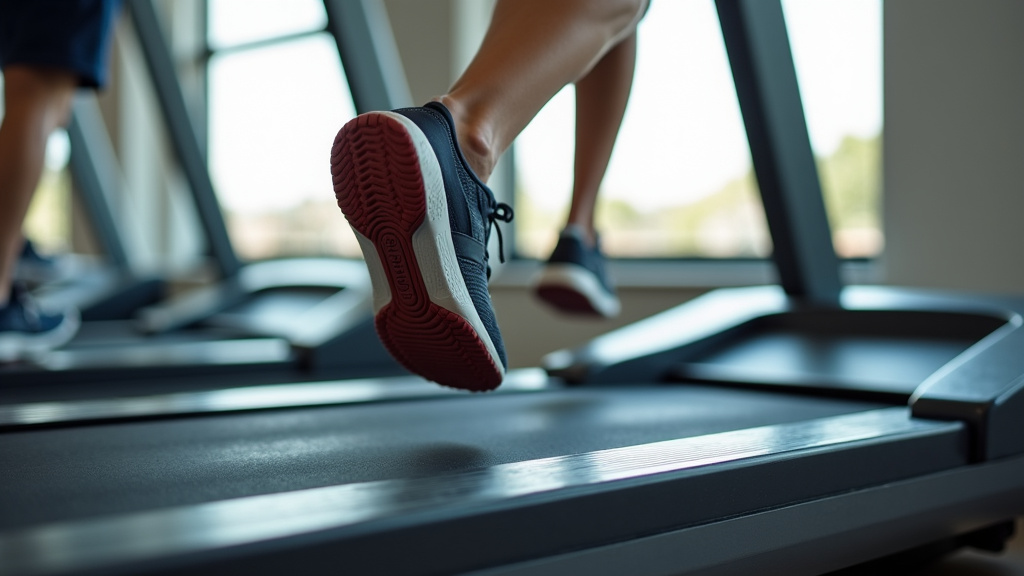
The right shoes make a world of difference. You need running shoes that offer good cushioning and support. Avoid worn-out shoes, as they lose their shock-absorbing capabilities. Look for shoes that fit well and are designed for the type of running you do. We found that improper footwear can lead to a variety of issues, from blisters to more serious injuries.
Warm-Up and Cool-Down: Non-Negotiable Steps
Think of your warm-up as preparing your engine. A dynamic warm-up, which involves movement, can get your blood flowing and muscles ready. This could include leg swings, high knees, and butt kicks. A light jog on the treadmill for 5 minutes is also a great start. Similarly, don’t just jump off when you’re done. Cool down with a few minutes of walking and some static stretches. Research suggests that adequate warm-up and cool-down periods can significantly reduce muscle soreness and injury risk (NIH).
Hydration is Your Friend
Dehydration can sneak up on you quickly, especially during exercise. Have a water bottle nearby and take sips regularly. You don’t need to chug it all at once. Just keep yourself adequately hydrated throughout your workout. This helps regulate body temperature and maintain performance.
Know When to Stop
This is incredibly important. If you feel any sharp pain, dizziness, or extreme fatigue, stop immediately. Don’t try to push through it. Listen to your body’s signals. It’s always better to cut a workout short and live to run another day than to risk an injury that sidelines you for weeks or months.
Additional Tips for a Smoother Ride
Beyond the core safety practices, a few extra touches can enhance your treadmill experience.
Consider a Treadmill Mat
We already mentioned this for stability, but treadmill mats also offer other benefits. They can help protect your flooring from scratches and sweat. They also reduce noise and vibration, which can be a big plus if you live in an apartment or have family members nearby. They are a relatively small investment for added comfort and protection.
Proper Form Matters
Even on a treadmill, maintaining good running form is beneficial. Try to keep your posture upright, with your shoulders relaxed. Avoid leaning too far forward or backward. Keep your steps relatively light and quick. Some treadmills have mirrors, which can be helpful for checking your form. Focusing on your form can lead to a more efficient and injury-free run.
Breaks are Okay!
Don’t feel like you have to run non-stop for your entire session. If you’re doing a longer workout, incorporate short walking breaks. This can help you maintain intensity throughout the session without overexerting yourself. Alternating between running and walking intervals is a smart strategy for building endurance safely.
Here’s a quick checklist to keep these tips top of mind:
- Always use the safety clip.
- Start and end your runs slowly.
- Wear supportive running shoes.
- Listen to your body for pain or fatigue.
- Stay hydrated throughout your workout.
- Ensure your treadmill is on a stable surface.
Conclusion
You’ve learned how to make your treadmill workouts safer and more effective. By focusing on proper setup, understanding the controls, and listening to your body, you can prevent injuries. Always remember to warm up, cool down, and use that safety clip. Treating your treadmill with respect and awareness ensures you get the most out of every run. Now, put these tips into practice for your next session!
Frequently Asked Questions
How do I know if my treadmill is on a stable surface?
Research and found that a stable base minimizes vibration and reduces the risk of the machine moving unexpectedly. If your treadmill wobbles, try placing it on a firm, level floor. You can also use a treadmill mat or shims to help stabilize it and protect your floor.
What should I do if I feel dizzy while running on the treadmill?
If you feel dizzy, stop running immediately and step off the treadmill. Always have the safety clip attached so the belt stops quickly. Sit down, drink some water, and take a few moments to recover before deciding if you should continue or end your workout.
Is it okay to run on a treadmill without shoes?
No, it’s not recommended to run on a treadmill without proper footwear. Running shoes provide essential cushioning and support to protect your feet and joints from impact. Going barefoot can increase your risk of blisters, foot injuries, and strains.
How often should I check my treadmill’s condition?
It’s a good idea to visually inspect your treadmill regularly, perhaps once a month. Look for any loose parts, worn belts, or signs of damage. Ensure the safety clip is functioning correctly and that the machine is clean and free of debris. This simple check can prevent potential issues.
Can I use my phone while running on the treadmill?
While it’s tempting to multitask, using your phone while running can be a safety hazard. It can distract you from maintaining proper form and paying attention to the treadmill’s controls and your body’s signals. If you must use your phone, it’s best to pause your workout or use it during walking intervals.
