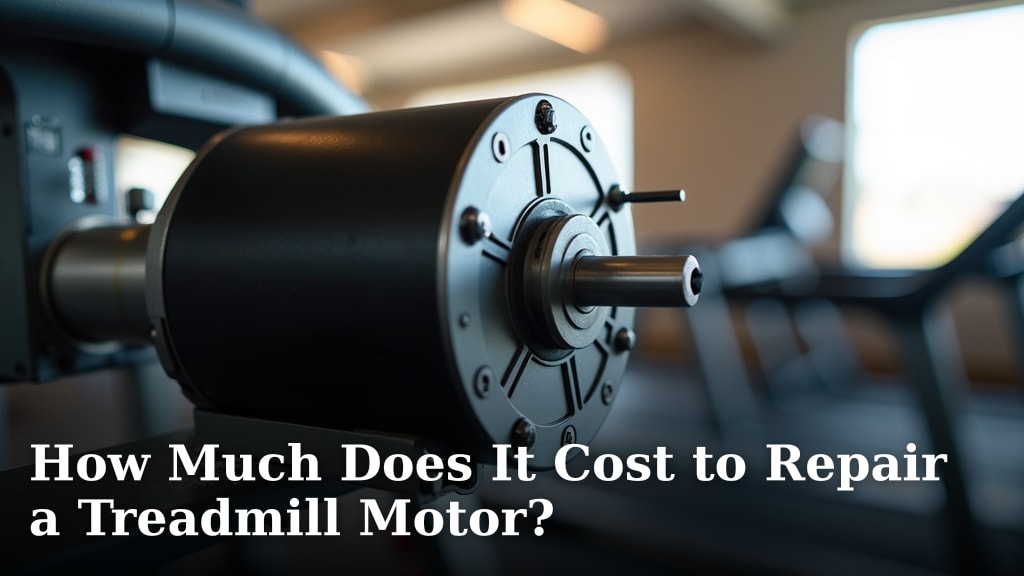
Why Does My Treadmill Squeak?
Your treadmill squeaks most often because of loose bolts, a dry running belt needing lubrication, or worn rollers creating friction.
You can often fix a squeaky treadmill by tightening its components, lubricating the belt, or cleaning and adjusting its moving parts.
- A squeaky treadmill often points to minor mechanical issues, not a major breakdown.
- The most frequent causes include loose fasteners, a dry running belt, or worn rollers.
- Simple home remedies like lubrication and tightening can typically solve the problem quickly.
- Ignoring a squeak might lead to bigger repair needs or shorter equipment life.
Why Does My Treadmill Squeak?
Your treadmill squeaks because components are rubbing or moving improperly, creating friction noise. This sound usually signals a need for a simple adjustment or maintenance task.
There’s nothing quite like settling into your workout rhythm, only to be interrupted by an annoying squeak, is there? That persistent noise can be incredibly distracting. But don’t worry; a squeaking treadmill often indicates a minor issue that’s easy to fix. Think of it as your treadmill’s way of asking for a little attention.
The Usual Suspects Behind the Noise
Most treadmill squeaks stem from a few common areas. You might be surprised how often a simple adjustment or cleaning can silence the noise. We often find that users overlook basic maintenance steps.
Loose Components: A Common Culprit
Over time, the vibrations from your workouts can cause bolts and screws to loosen. These loose connections then rub against other parts, producing that telltale squeak. It’s like a loose wheel on a grocery cart – annoying and easily fixed.
We often find that checking the frame bolts, deck screws, and handlebar connections can resolve many noise issues. Just a quick check with a wrench can make a world of difference. It’s an easy first step.
Worn Deck or Belt
The running belt moves over the deck, and both can wear down. If the belt or deck surface becomes rough, it creates more friction, leading to squeaks. Imagine trying to slide across a floor with sticky shoes – that extra resistance causes noise.
Many treadmill manufacturers recommend inspecting the belt for fraying or tears regularly. A visibly worn belt or deck might need replacement to restore smooth operation. This helps prevent future squeaks.
Lack of Lubrication: The Dry Truth
Perhaps the most common reason for a squeaky treadmill is a dry running belt. The belt needs silicone lubricant between it and the deck to glide smoothly. Without it, friction builds up, causing that irritating sound.
Think of it like a rusty door hinge; a little oil makes all the difference. Many experts suggest lubricating your treadmill belt every 3-6 months, depending on use (Treadmill Manufacturer’s Guide). This keeps things running quietly and protects your motor.
Rollers: The Heartbeat of Your Treadmill
Your treadmill has rollers at both ends of the deck: one at the front (drive roller) and one at the back (rear roller). These rollers are vital for moving the belt. If they start squeaking, it means they need attention.
Front and Rear Roller Squeaks
The rollers contain bearings that can dry out or wear down. When these bearings lose their smooth action, they can emit a high-pitched squeak. It’s like a tiny wheel spinning without enough grease – it protests loudly.
Many guidelines point to regular cleaning around the rollers (Owner’s Manual). Sometimes, simply removing dust and debris can stop the noise. If the bearings are truly worn, a roller replacement might be necessary.
Drive Belt Issues: Powerhouse Problems
Separate from the running belt, your treadmill has a drive belt connecting the motor to the front roller. If this belt becomes loose, stretched, or worn, it can slip and squeak. This is often a deeper, more mechanical sound.
We find that a loose drive belt can cause inconsistent belt speed and noise. Adjusting its tension or replacing a worn belt can restore proper function. This fix often requires a bit more mechanical know-how.
Frame and Motor Cover Vibrations
Sometimes, the squeak isn’t from moving parts but from stationary ones rubbing. The main frame or even the plastic motor cover can cause unexpected noises. It’s a bit like a car dashboard rattling on a bumpy road.
Tightening the Frame
The entire treadmill frame is held together by bolts. If these main structural bolts become loose, the frame can flex and creak during your workout. Giving these a good tightening can often silence the machine.
Check all the visible bolts, especially where uprights meet the base. Many users find that a quick inspection of these often-forgotten bolts fixes the problem. It brings stability back to your workout.
Securing the Motor Cover
The plastic cover over the motor protects internal components. If this cover isn’t seated correctly or if its screws are loose, it can vibrate against the frame. This vibration produces a rhythmic squeak or rattle.
Make sure the motor cover is snugly in place. Check that all its screws are tightened. Sometimes, a tiny piece of felt or rubber placed between the cover and the frame can eliminate persistent squeaks.
Treadmill Stability and Leveling
An uneven treadmill can be a source of noise you might not expect. If your machine isn’t perfectly level on your floor, it can twist slightly under your weight, causing the frame to creak or squeak.
Most treadmills have adjustable feet or stabilizers. Take the time to ensure your machine is firmly planted on all four corners. A level treadmill operates more smoothly and silently, enhancing your workout experience.
Your Troubleshooting Action Plan
Feeling a bit overwhelmed? Don’t be! Tackling a squeak is straightforward if you approach it systematically. Start with the easiest checks and work your way to the more complex ones. You’ve got this!
First, listen carefully to pinpoint the exact location of the squeak. Does it happen with every step, or only when the belt moves? Is it from the front, back, or middle? This helps narrow down your search. Then, do a visual check.
A Quick Squeak Troubleshooting Checklist
- Check all visible bolts and screws: Are they tight? Focus on the frame and deck.
- Lubricate the running belt: Use manufacturer-approved silicone lubricant.
- Inspect the running belt: Look for wear, fraying, or tears on the belt surface.
- Clean under the motor cover: Remove dust and debris from around the motor and rollers.
- Examine the rollers: Look for signs of wear or obstructions near the front and rear rollers.
- Level your treadmill: Adjust the feet until the machine sits stably on the floor.
Regular Maintenance: Your Best Defense
The best way to prevent future squeaks is consistent, routine maintenance. Think of it as preventative medicine for your treadmill. A little care now saves you bigger headaches (and costs) later.
Many experts emphasize following your treadmill’s owner’s manual for maintenance schedules. This often includes regular cleaning, lubrication, and checking for loose parts. Being proactive ensures your machine stays quiet and reliable.
When to Call the Pros
You’ve tried everything on the checklist, but the squeak persists. Or perhaps you’ve identified a problem that seems too complex, like a motor issue or deep-seated roller bearing wear. That’s when it’s time to call in the cavalry.
Don’t hesitate to contact a certified treadmill technician. They have the specialized tools and expertise to diagnose and fix more intricate problems. Sometimes, a little professional help saves you time and frustration, getting you back to quiet workouts faster.
| Potential Squeak Source | Common Symptoms | Typical Fix |
|---|---|---|
| Loose Bolts/Screws | General creaking, rocking frame | Tighten with appropriate wrench |
| Dry Running Belt | High-pitched friction sound underfoot | Apply silicone lubricant |
| Worn Rollers | Consistent squeak from front or back | Clean, lubricate bearings (if accessible), replace roller |
| Drive Belt | Rhythmic squeal, often from motor area | Adjust tension, replace belt |
| Unlevel Treadmill | Frame creaking, uneven feel | Adjust leveling feet |
Conclusion
A squeaky treadmill can be annoying, but it’s rarely a sign of doom. Most often, a bit of troubleshooting, tightening, and lubrication will solve the problem. Remember, your treadmill is an investment in your health, and a little care goes a long way.
By staying on top of regular maintenance, you ensure your machine remains a quiet and effective tool for your fitness journey. So, roll up your sleeves, give your treadmill some love, and get back to enjoying peaceful workouts.
What kind of lubricant should I use for my treadmill belt?
You should always use 100% silicone treadmill lubricant. Check your owner’s manual for specific recommendations. Using other oils, like WD-40, can damage your belt and deck, voiding your warranty. Silicone-based lubricants are specifically designed for the low-friction needs of your treadmill’s running surface.
How often should I lubricate my treadmill belt?
Lubrication frequency varies based on usage, but a good rule of thumb is every 3-6 months for average home use. Heavy users might need to lubricate more often, perhaps every 2-3 months. Always refer to your treadmill’s manual for the manufacturer’s specific guidelines.
Can a squeak mean my treadmill is breaking down?
Not usually. A squeak is typically a symptom of a minor issue like a loose part, lack of lubrication, or worn rollers, not an immediate breakdown. While ignoring it can lead to bigger problems, catching it early means an easy fix. Think of it as a warning signal, not a catastrophe.
How do I find a reputable treadmill technician?
Start by checking with your treadmill’s manufacturer for authorized service centers in your area. You can also search online for local fitness equipment repair services. Look for technicians with good reviews and those who are certified to work on treadmills. Asking friends for recommendations is also a good approach.
Is it safe to use my treadmill if it’s squeaking?
For minor squeaks due to dry belts or loose bolts, it’s generally safe to use your treadmill in the short term. However, it’s always best to address the issue quickly. Persistent squeaking from worn rollers or a stretched drive belt could lead to more significant damage over time if left unaddressed. Prioritize the fix to prevent further wear.