What Is the Best Treadmill for Home Use?
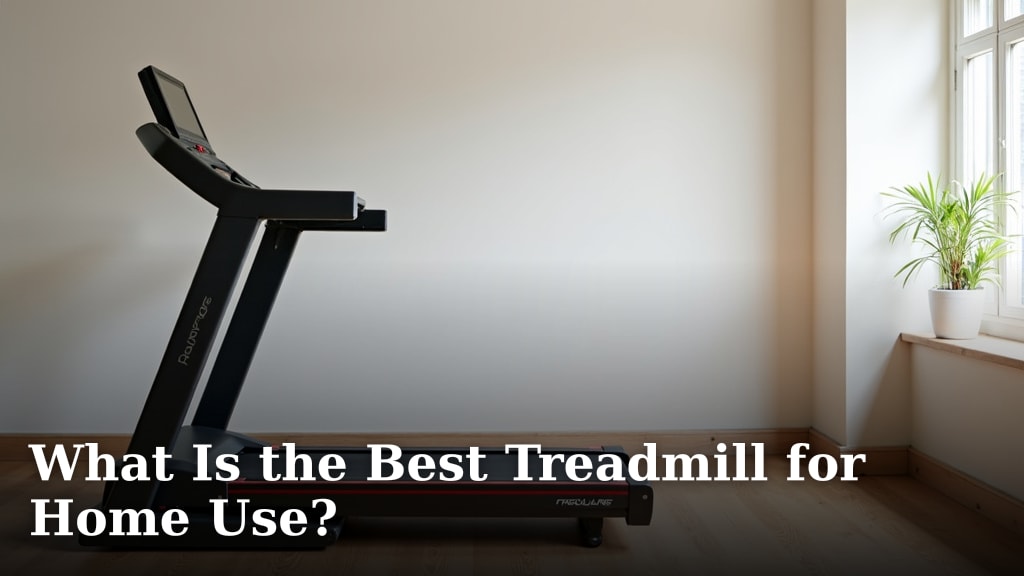
When searching for the best treadmill for home use, we found that models offering a balance of durability, features, and comfort typically stand out. The ideal choice often depends on your personal fitness goals, available space, and budget.
Choosing a home treadmill can feel overwhelming with so many options available. You want something reliable that fits your lifestyle, whether for a quick walk or intense training. Our research helps you understand which features truly matter for a great home workout experience.
TL;DR:
- Your ideal treadmill balances features, durability, and cost.
- Consider your fitness goals and available space at home.
- Look for powerful motors and comfortable running belts.
- Connectivity options and built-in programs can enhance your workouts.
- A good warranty and customer support are important.
Let’s walk through exactly what makes a treadmill perfect for your home needs, helping you make a smart investment in your health.
Choosing Your Ideal Treadmill for Home Use
Finding the perfect treadmill for your home involves understanding a few key areas. It’s like buying a car; you need to consider how you’ll use it. Do you want a daily commuter or a high-performance sports car? Your fitness goals really drive this choice.
We’ll break down the essential factors so you can make an informed decision. Think of this as your personal touring guide through the treadmill market. We want to help you feel confident in your investment.
Understanding Your Fitness Goals and How They Impact Your Choice
Before you even look at models, ask yourself: Why do I want a treadmill? Your answer will point you toward certain features. Are you aiming for light walking, jogging, or serious running?
Someone looking for gentle exercise will have different needs than a marathon runner. We found that matching your goals to the treadmill’s capabilities is a recipe for long-term satisfaction.
For Walkers and Light Joggers
If your primary activity will be walking or occasional light jogging, you don’t necessarily need the most powerful machine. A treadmill with a moderate motor strength (around 2.0-2.5 CHP) and a standard belt size will likely suffice. You’ll still want comfort and stability.
Focus on features like cushioned decks for joint comfort and user-friendly controls. We often see walkers prioritizing things like cup holders and tablet stands over advanced metrics.
For Runners and Intense Training
Runners, listen up! Your needs are different. You’ll want a treadmill with a more powerful motor, ideally 3.0 CHP or higher, for sustained running without excessive strain on the motor. This helps with the longevity of the machine.
A longer and wider running deck is also crucial for comfortable strides and safety during faster runs. Look for advanced cushioning systems to protect your joints during high-impact activities. Many serious runners also seek out treadmills with high incline and decline capabilities to simulate outdoor terrains.
Key Specifications: What to Look For and Why
Navigating treadmill specifications can feel like learning a new language. But don’t worry, we’ve translated the important bits for you. These specs are the heart and soul of your machine; they dictate its performance and durability.
We often tell people to prioritize motor power and belt size for a good reason. These two aspects significantly impact your experience and the treadmill’s lifespan.
Motor Horsepower (CHP)
The motor is the engine of your treadmill. CHP, or Continuous Horsepower, is what truly matters. This rating tells you how much power the motor can sustain over time. Peak horsepower numbers can be misleading.
- 2.0 – 2.5 CHP: Suitable for walking or light jogging.
- 2.5 – 3.0 CHP: Good for regular jogging and occasional running.
- 3.0 CHP and above: Ideal for frequent running and heavier users.
A more powerful motor not only performs better but also lasts longer because it’s not constantly straining. Think of it as having enough power under the hood of your car.
Running Belt Size
The size of the running belt directly impacts your comfort and safety. You need enough room to move naturally without feeling cramped or accidentally stepping off the side. We found that a longer belt is especially important for taller individuals or runners with a longer stride.
| User Activity | Recommended Belt Length | Recommended Belt Width |
|---|---|---|
| Walking | 50-55 inches | 18-20 inches |
| Jogging | 55-60 inches | 20-22 inches |
| Running | 60 inches or more | 22 inches or more |
These are general guidelines (Cleveland Clinic). If you find yourself in between sizes, always size up for comfort and fewer worries about stepping off.
Cushioning and Deck Absorption
Your joints will thank you for good cushioning. Running on a treadmill can be hard on the body, just like running outdoors. A well-designed deck reduces impact, protecting your knees, ankles, and hips.
Look for terms like “shock absorption system,” “flex deck,” or “variable response cushioning.” We found that higher-end models often have more sophisticated systems that adapt to your foot strike. This is a feature you don’t want to skimp on.
Considering Your Home Environment
A treadmill isn’t just about what it can do; it’s also about how it fits into your home. Your living space will significantly influence your best choice. We often see people forgetting about these practical considerations until it’s too late!
Always consider the dimensions and electrical requirements. Will it fit through your doorway? Is there a dedicated outlet nearby?
Space Requirements and Foldability
Do you have a dedicated gym room or will your treadmill live in a shared space? Foldable treadmills are fantastic for smaller homes or apartments. Many models fold up to save floor space when not in use. Some even have wheels for easy movement.
Even if a treadmill folds, remember to measure its folded dimensions too. Don’t forget to account for the space you need around it for safe operation – typically a few feet behind and to the sides (CDC).
Noise Levels
Nobody wants a roaring jet engine in their living room, especially early in the morning or late at night. Treadmills can be noisy, especially during running. If you live in an apartment or share your home, noise levels are a critical factor.
We found that treadmills with more powerful motors tend to be quieter because they don’t have to work as hard. Read reviews about noise levels, and if possible, try to test the treadmill in person. Belt friction also contributes to noise, so a well-lubricated belt helps.
Technological Features and Connectivity
Modern treadmills are more than just moving belts. They can be your personal training assistant, entertainment hub, and data tracker all in one. These features can significantly enhance your workout experience.
However, we found it’s important to distinguish between “must-have” tech and “nice-to-have” gadgets. What truly adds value for you?
Built-in Workout Programs and Training Journeys
Many treadmills come with pre-programmed workouts. These can include interval training, hill climbs, or fat burn programs. They offer variety and keep your workouts engaging. Some even feature virtual “journeys” where the 화면 adjusts to match real-world trails.
For those who need motivation or guidance, these structured programs are incredibly beneficial. They can prevent workout plateaus and keep things fresh.
Interactive Training and App Compatibility
The rise of fitness apps has transformed home workouts. Many treadmills now offer Bluetooth connectivity to pair with apps like Zwift, Peloton, or iFIT. These subscriptions often provide guided classes, scenic routes, and performance tracking.
If you thrive on interactive content or enjoy competitive challenges, this feature is a game-changer. We recommend checking specific app compatibility before purchasing if this is a priority for you.
Budgeting for Your Home Treadmill
Your budget will always play a role in your final decision. Treadmills range from a few hundred dollars to several thousand. We’ve broken this down into general tiers to help you manage expectations.
Remember that a higher price often correlates with better motor quality, more robust frames, superior cushioning, and advanced features. It’s an investment in your health.
Entry-Level Treadmills (<$700)
These are typically budget-friendly options, great for walkers or very light joggers. They often have smaller motors (under 2.0 CHP) and fewer bells and whistles. You might find basic display screens and limited programming.
We found that while these machines are affordable, they might not hold up to heavy, daily use over many years. Consider them if your budget is tight and your fitness needs are minimal.
Mid-Range Treadmills ($700 – $1,500)
This is where you’ll find a good balance of features, durability, and affordability. Mid-range treadmills often boast stronger motors (2.5-3.0 CHP), more comfortable running decks, and a decent selection of programs.
Many popular foldable models fall into this category. We believe this price point offers the best value for most home users, providing a reliable machine for regular jogging or light running.
High-End Treadmills (>$1,500)
Serious runners, rejoice! High-end treadmills offer powerful motors (3.0+ CHP), spacious running decks, premium cushioning, and advanced smart features. Think large HD touchscreens, immersive training platforms, and superior build quality.
These machines are built to last and handle intense, frequent use. If you’re a dedicated runner or plan on heavy daily use, this investment is often worth it for the performance and longevity.
The Importance of Warranty and Customer Support
Don’t overlook the warranty! It’s like an insurance policy for your treadmill. A good warranty reflects the manufacturer’s confidence in their product. We always recommend scrutinizing this detail.
Nobody wants to be stuck with a broken machine and no recourse. Good customer service can also make a world of difference if you ever need help or spare parts.
What a Good Warranty Looks Like
We typically look for warranties that offer:
- Frame: Lifetime warranty is ideal.
- Motor: 3-5 years minimum, ideally lifetime.
- Parts: 2-5 years.
- Labor: 1-2 years.
These durations suggest a solid, durable product. If a warranty seems very short, it might be a red flag about the treadmill’s expected lifespan. Always read the fine print; what does “lifetime” truly mean?
Final Checklist for Your Treadmill Hunt
Before you hit that “buy” button, use this quick checklist. It pulls together everything we’ve discussed and helps you double-check your decision. Happy hunting!
- Does it match your specific fitness goals (walking, jogging, running)?
- Is the motor powerful enough for your planned usage (i.e., 3.0 CHP for runners)?
- Is the running belt long and wide enough for your stride?
- Does it have adequate cushioning to protect your joints?
- Will it fit comfortably in your designated space, and is it foldable if needed?
- Does the warranty provide sufficient coverage for frame, motor, parts, and labor?
Conclusion
Choosing the best treadmill for your home doesn’t have to be a confusing decision. By focusing on your unique fitness goals, understanding key specifications like motor power and belt size, and considering your home environment, you can narrow down the options.
Remember to prioritize cushioning for joint health and always check the warranty. Your perfect treadmill is out there, balancing durability, features, and comfort within your budget. Take these steps, and you’ll confidently invest in your health for years to come.
Frequently Asked Questions
How much space do I really need for a home treadmill?
Beyond the treadmill’s footprint, you’ll need at least 2-3 feet of clear space behind it and about 1 foot on each side for safety. This ensures you have room to get on and off comfortably and safely.
Can I put a treadmill on carpet?
Yes, you can place a treadmill on carpet, but we recommend using a treadmill mat underneath. This protects your carpet from wear and tear, helps absorb vibrations, and stabilizes the machine.
Is it worth buying an expensive treadmill for home use?
For serious runners or frequent users, an expensive, high-end treadmill often offers better motor durability, superior cushioning, and more advanced features that justify the cost. For light walkers, a mid-range model usually provides excellent value.
How often should I lubricate my treadmill belt?
Most manufacturers recommend lubricating the belt every 3-6 months, depending on usage. Always check your treadmill’s user manual for specific instructions and the correct type of lubricant.
What’s the difference between CHP and HP in treadmill motors?
CHP stands for Continuous Horsepower, which is the power a motor can sustain over a long period. HP (Horsepower) might refer to peak horsepower, representing a motor’s maximum output for short bursts. CHP is the more reliable indicator of motor strength and lifespan for sustained workouts.