What Is the Difference Between a Treadmill and a Walking Pad?
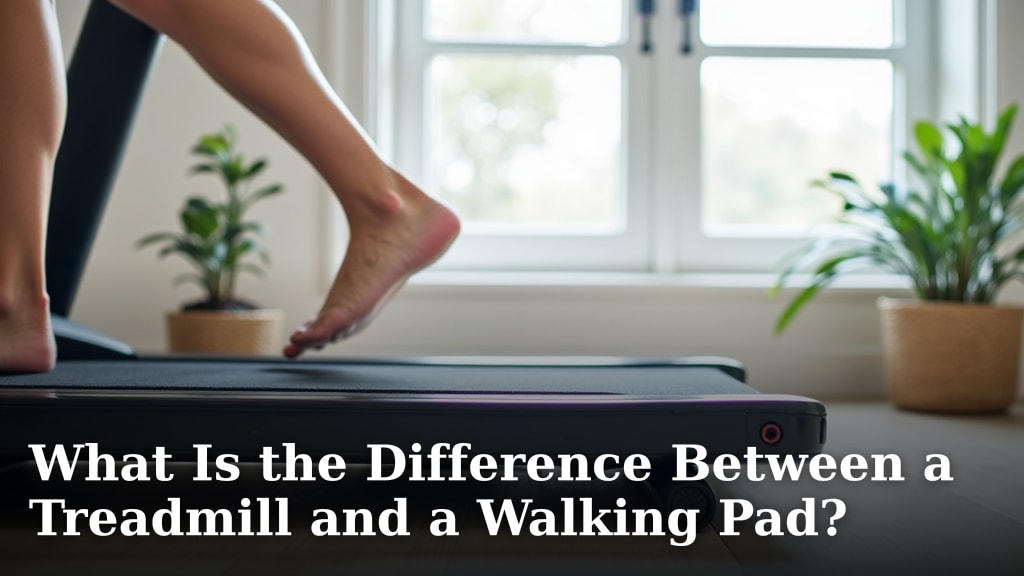
The main difference between a treadmill and a walking pad lies in their size, speed capabilities, and intended use. A treadmill is a larger, more robust machine designed for both walking and running, offering higher speeds and incline options. In contrast, a walking pad is a compact, portable device built for walking only, often fitting under a desk or in small spaces, making it perfect for light exercise.
You might be wondering which one is right for your home workout needs. We found that treadmills generally provide a more versatile and intense workout experience. Walking pads, however, excel in convenience and space-saving features, perfect for boosting daily activity without taking up much room. It really comes down to your fitness goals and available space.
TL;DR:
- Treadmills are for both running and walking, with more features.
- Walking pads are compact, portable, and only for walking.
- Treadmills offer higher speeds and incline options.
- Walking pads fit well in small apartments or under desks.
- Your choice depends on your space and workout intensity needs.
Let’s dive into the specifics, helping you figure out which fitness machine best suits your lifestyle and helps you stay active.
Treadmill vs. Walking Pad: Unpacking the Core Differences
The choice between a treadmill and a walking pad often boils down to your fitness aspirations and living situation. We found that each device serves a distinct purpose, designed for different exercise routines and environments.
Let’s break down the fundamental distinctions so you can make an informed decision about what’s best for you.
Speed and Incline Capabilities
When you’re looking for a workout, speed and incline are big factors. These features directly impact the intensity and variety of your exercise.
Treadmill: Power and Versatility
Treadmills are built for serious movement. They offer a wide range of speeds, typically from 0.5 to 12 miles per hour (mph), sometimes even higher. This allows you to go from a leisurely stroll to an intense sprint.
Most treadmills also come equipped with an incline function. This feature simulates walking or running uphill, adding a new dimension to your workout. You can adjust the incline, often up to 15% or 20%, to challenge different muscle groups and burn more calories (American Council on Exercise).
Imagine climbing a virtual hill from the comfort of your home. That’s the kind of versatility a treadmill offers. It helps you tailor your workout to specific fitness goals, whether it’s endurance training or high-intensity interval training (HIIT).
Walking Pad: Steady and Gentle
Walking pads, on the other hand, are designed for lower-impact, consistent movement. Their speed range is much more limited, usually topping out around 3-4 mph.
Most walking pads do not feature an incline option. Their primary purpose is to help you get your steps in, not to simulate a mountain climb. They’re perfect for maintaining a steady pace while you’re working or watching TV.
Think of it as a moving sidewalk for your home. It keeps you active without the need for high speeds or varied terrains. This simplicity is part of their appeal and convenience.
Size and Portability Factors
Your living space plays a crucial role in deciding which fitness machine is right for you. Do you have a dedicated home gym, or are you squeezing exercise into a small apartment?
Treadmill: A Dedicated Space
Treadmills are generally larger and heavier machines. They require a significant amount of floor space, both when in use and when stored. We found that even foldable models tend to be bulky.
If you have a spare room, a garage, or a large living area, a treadmill might fit perfectly. However, for those living in smaller homes, a treadmill can quickly become an obstacle. Moving them often requires disassembly or two people.
You’re investing in a more permanent fixture for your fitness routine. It’s like having a small car in your house – it needs its own parking spot.
Walking Pad: Compact and Easy to Move
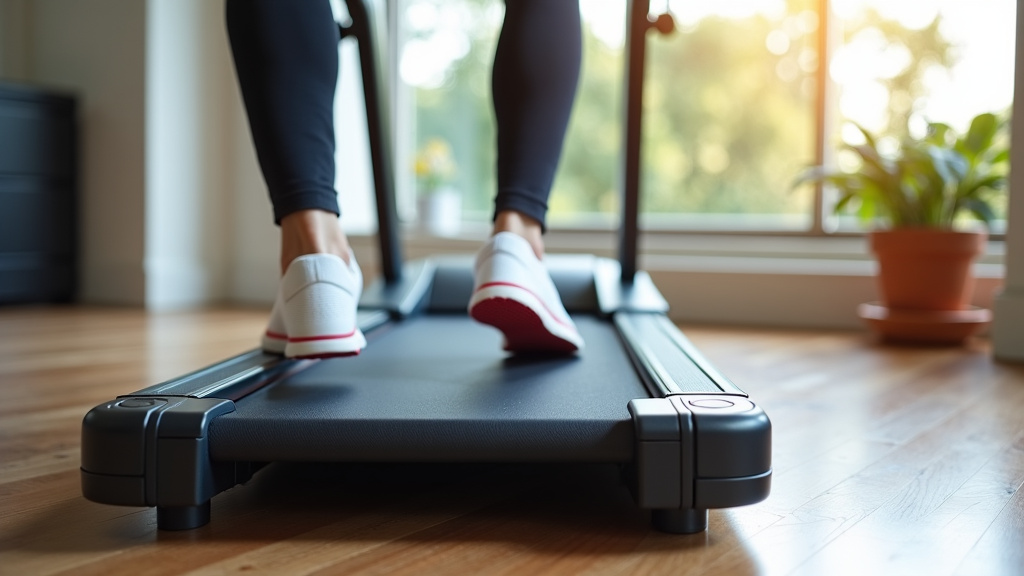
Walking pads are celebrated for their compact design and portability. They are significantly smaller and lighter than treadmills. Many models are slim enough to slide under a couch or bed when not in use.
Their lightweight nature makes them easy to move around your home. You can often carry them with one hand or wheel them into position. This is ideal for apartment dwellers or anyone with limited space.
Imagine pulling out your yoga mat. A walking pad offers similar ease of storage and deployment. It’s perfect for those who want to hide their exercise equipment away when guests arrive or when they just need their living room back.
Intended Use and Workout Style
What kind of exercise do you envision doing? This question will directly guide you toward the right machine.
Treadmill: For Intense Training and Variety
Treadmills are the workhorses of home fitness. They support a full spectrum of workouts, from brisk walking to endurance running, and even hill training.
If your goal is to improve cardiovascular fitness, train for a race, or engage in high-intensity interval training (HIIT), a treadmill is likely your best bet. Its robust construction and higher speeds allow for more vigorous exercise.
Many experts say that varied workouts are key to fitness progress (Mayo Clinic). A treadmill allows you to change speed, incline, and program, keeping your body challenged and preventing plateaus.
Walking Pad: For Daily Activity and Low Impact
Walking pads are designed to boost your daily activity levels. They are perfect for light to moderate walking, often while you’re engaged in other activities like working or watching television.
Are you looking to combat a sedentary lifestyle? Do you want to reach your 10,000 steps without leaving the house? A walking pad is excellent for these purposes. It promotes consistent, low-impact movement.
We found that people often use walking pads under standing desks to stay active during work hours. It’s about integrating movement into your daily routine without breaking a sweat or needing specialized workout gear.
Cost Considerations and Features
Budget is always a factor when investing in fitness equipment. What do you get for your money with each option?
Treadmill: Higher Investment, More Features
Treadmills typically represent a higher financial investment. Prices can range from a few hundred dollars for basic models to several thousand for high-end machines with advanced features.
What do those extra dollars get you? Generally, treadmills offer more powerful motors, wider running belts, advanced consoles with multiple workout programs, heart rate monitors, and entertainment options like built-in screens or tablet holders. Some even connect to virtual coaching apps.
Think of it like buying a car with all the bells and whistles. You’re paying for performance, durability, and a feature-rich experience.
Walking Pad: Budget-Friendly and Essential
Walking pads are generally more affordable. You can often find decent models for a few hundred dollars, making them an accessible entry point into home exercise.
Their lower price point reflects their simpler design and fewer features. They typically have a basic display showing speed, time, distance, and calories. They focus on the core function of walking, without much extra fluff.
It’s like buying a reliable, no-frills commuter car. It gets the job done efficiently and without breaking the bank. If you just need a platform to walk on, a walking pad delivers value.
Safety and Stability
Your safety during exercise is paramount. Both machines offer different levels of stability and safety features.
Treadmill: Robust and Secure
Treadmills are designed to be very stable. Their larger footprint and heavier construction make them sturdy, even during high-speed running. They often feature safety keys that immediately stop the machine if you slip or fall.
The presence of handlebars or armrests provides additional support and balance, which is especially helpful during faster paces or when adjusting settings. This robust build contributes to a feeling of security during your workout.
When you’re running at speed, you need that solid foundation. A treadmill provides it, giving you confidence in your movements.
Walking Pad: Simpler Support
Walking pads, being smaller, sometimes have less robust support structures. Many models lack traditional handlebars, opting for a minimalist design to enhance portability.
While perfectly safe for walking, you might find yourself balancing more on your own. Some walking pads come with a removable or collapsible handlebar, offering a compromise between portability and support. Always check for a safety stop feature, even on walking pads.
It’s important to be aware of the lack of consistent hand support, especially if you have balance concerns. You’re walking on a moving belt, after all.
To help you visualize these differences, here’s a quick comparison:
| Feature | Treadmill | Walking Pad |
|---|---|---|
| Primary Use | Running, brisk walking, HIIT | Light to moderate walking |
| Speed Range | Wide (0.5 to 12+ mph) | Limited (up to 3-4 mph) |
| Incline Option | Commonly available | Rarely available |
| Size/Footprint | Large, requires dedicated space | Compact, portable, easy to store |
| Portability | Difficult to move | Easy to move/store |
| Cost | Higher investment | More budget-friendly |
| Stability | Very stable, handrails common | Less stable, handrails optional/minimal |
| Motor Power | Stronger, more durable | Less powerful, suited for walking |
Making Your Decision: A Quick Checklist
So, how do you decide? Ask yourself a few key questions. This mini-checklist can help clarify your needs:
- Do you plan to run or sprint, or just walk?
- How much space do you truly have for equipment?
- What’s your budget for a fitness machine?
- Do you need incline options for varied workouts?
- Will you use it under a standing desk or in a dedicated spot?
- Are strong handrails important for your balance or safety?
By considering these points, you’ll gain clarity on whether a powerful treadmill or a convenient walking pad aligns best with your lifestyle. It’s all about matching the machine to your personal fitness journey.
Conclusion
Choosing between a treadmill and a walking pad really comes down to your personal needs and what you want to achieve. We found that if you’re looking for an all-around fitness machine for running, inclines, and varied workouts, a treadmill offers unmatched versatility. It’s a bigger investment, but it delivers powerful performance.
However, if your goal is consistent, low-impact activity, especially in a small space or under a desk, a walking pad is a fantastic, affordable solution. It helps you stay active without demanding much room or a significant budget.
Consider your space, budget, and fitness goals carefully. By doing so, you can confidently pick the right equipment to support your health journey.
Frequently Asked Questions
Can I run on a walking pad?
No, walking pads are not designed for running. We found their motors and belts are built for walking speeds, typically up to 3-4 mph. Attempting to run could damage the machine and potentially void your warranty.
Do walking pads fold up for storage?
Many walking pads are designed with portability in mind, and many models can either fold in half or are slim enough to slide under furniture. Always check the specific product dimensions and storage options before buying.
Is a walking pad good for weight loss?
Yes, a walking pad can contribute to weight loss by increasing your daily activity and calorie burn. While it’s lower intensity than running, consistent walking on a walking pad can be an effective part of a weight management plan.
What’s the typical lifespan of a treadmill versus a walking pad?
Treadmills often have a longer lifespan due to their more robust construction and powerful motors. We found that a well-maintained treadmill can last 7-12 years, while a walking pad might last 3-7 years, depending on usage and quality.
Do walking pads usually come with screens or apps?
Most walking pads have basic displays that show metrics like speed, time, distance, and calories. Some higher-end models might offer Bluetooth connectivity to sync with fitness apps, but full interactive screens are less common than on treadmills.