Can You Use Wd-40 on a Treadmill Belt?

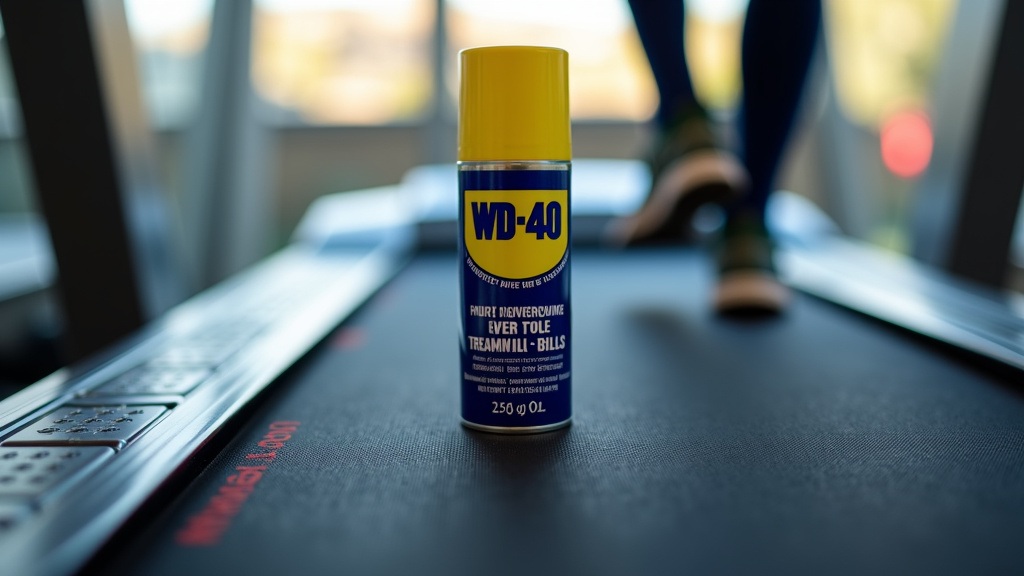
No, you should never use WD-40 on a treadmill belt. It is not a lubricant for exercise equipment. Using it can cause serious damage to your machine.
WD-40 is a solvent and a degreaser. It can break down the treadmill belt and motor. This will void your warranty and lead to costly repairs. Always use 100% silicone oil specifically designed for treadmills.
- WD-40 damages treadmill belts.
- It breaks down materials.
- It is not a lubricant.
- Use only 100% silicone oil.
- Wrong lubricants void warranties.
So, what should you do instead? Let’s dive into why WD-40 is a bad idea and what safe alternatives exist.
Why WD-40 is Detrimental to Your Treadmill
You might wonder why something so popular for squeaky doors would be bad for your treadmill. The simple truth is, WD-40 is not a lubricant in the way your treadmill needs. It’s a water displacement spray and a solvent. Think of it like trying to fix a leaky pipe with duct tape when you really need a plumber; it’s the wrong tool for the job.
Understanding WD-40’s Chemical Composition
WD-40 is a brand name. It stands for “Water Displacement, 40th formula.” Its primary components are petroleum-based solvents and propellants. These chemicals are great for breaking down rust and displacing moisture. They are not designed for the sustained, low-friction environment a treadmill belt requires.
When you spray WD-40, it initially feels slippery. This feeling is misleading. It quickly evaporates, leaving behind a thin, sticky residue. This residue can actually increase friction over time. It attracts dust and debris, creating a gritty paste that can grind away at your treadmill’s components.
The Damage WD-40 Inflicts on Treadmill Components
Your treadmill belt is made from layers of synthetic materials, often rubber or PVC. The deck is typically a treated wood or composite board. These materials are sensitive to certain chemicals. We found that petroleum-based solvents can be corrosive to these synthetic surfaces (Treadmill Repair Guide).
Impact on the Treadmill Belt
Imagine your treadmill belt as a durable, flexible surface. WD-40’s solvents can cause the belt’s material to dry out and become brittle. This leads to cracking and premature wear. The belt can lose its grip, causing it to slip or even fray. A damaged belt is not only unsafe but also expensive to replace.
The solvent action can also degrade the adhesive that holds the belt layers together. This weakens the belt’s structure. You might notice the belt becoming rougher. This increased friction puts a greater strain on your motor.
Harm to the Treadmill Deck
The treadmill deck is usually treated with a special coating that works with silicone lubricant. WD-40 can strip away this essential coating. This leaves the deck unprotected and prone to damage. It’s like removing the protective layer from your car’s paint. The deck will wear down faster. Replacing a treadmill deck can be a complex and costly repair.
Risk to the Motor and Electronics
When the belt and deck suffer from increased friction, your treadmill’s motor has to work harder. This causes the motor to overheat. Overheating can lead to motor failure. Many experts say that motor damage from improper lubrication is a common repair issue (Exercise Equipment Service). The residue from WD-40 can also attract dust into the motor compartment. This can interfere with electrical components and sensors.
Why Proper Lubrication is Essential for Treadmills
Your treadmill relies on a thin, consistent layer of lubricant between the belt and the deck. This layer reduces friction. It allows the belt to glide smoothly. This smooth movement is crucial for both the longevity of your machine and the safety of your workout.
Benefits of Correct Lubrication
- Extends Machine Lifespan: Regular, proper lubrication significantly reduces wear and tear on the motor, belt, and deck.
- Maintains Performance: A well-lubricated treadmill provides a consistent, comfortable workout experience.
- Prevents Overheating: Reduced friction means less work for the motor, preventing it from overheating and burning out.
- Ensures Warranty Validity: Most manufacturers specify the type of lubricant required. Using the wrong kind can void your warranty.
- Saves Money: Preventing damage through proper maintenance avoids expensive repairs or replacements.
The Right Lubricant for Your Treadmill: 100% Silicone Oil
So, if WD-40 is out, what should you use? The answer is simple: 100% silicone treadmill lubricant. This is the only type of lubricant recommended by nearly all treadmill manufacturers. It is specifically formulated for the unique environment of a treadmill.
Why 100% Silicone Oil is the Best Choice
Silicone oil is a synthetic polymer. It maintains its viscosity and lubricating properties across a wide range of temperatures. It does not contain petroleum distillates that can harm your treadmill’s components. It creates a durable, slick layer that reduces friction effectively without degrading the belt or deck.
When buying silicone lubricant, always check the label. Look for “100% silicone” or “pure silicone.” Avoid products that contain petroleum, silicone blends, or other additives. Some lubricants marketed for general use might have misleading labels. Your treadmill needs the pure stuff.
How Often Should You Lubricate Your Treadmill?
The frequency of lubrication depends on how often you use your treadmill. As a general rule, we found these guidelines to be common:
| Usage Level | Recommended Lubrication Frequency |
|---|---|
| Light use (1-2 times/week) | Every 6 months |
| Moderate use (3-5 times/week) | Every 3 months |
| Heavy use (daily or multiple users) | Every 1-2 months |
Always check your treadmill’s owner’s manual. Manufacturers often provide specific instructions for lubrication frequency and type of lubricant. Following their guidelines is your best bet for keeping your warranty valid and your machine running smoothly.
Signs Your Treadmill Needs Lubrication
How do you know it’s time to lubricate? Your treadmill will often give you clues. Don’t wait for a complete breakdown. Catching these signs early can save you trouble.
- The belt feels rough or sticky when you walk on it.
- You hear a squeaking or grinding noise from the belt area.
- The motor seems to be working harder than usual.
- The belt hesitates or drags during your workout.
- You notice excessive heat coming from under the belt.
If you experience any of these symptoms, it’s a good idea to perform a lubrication check. Sometimes a quick check is all it takes to prevent a bigger problem.
The Lubrication Process: A Simple Guide
Lubricating your treadmill isn’t complicated. It’s a straightforward maintenance task you can do yourself. Here’s a quick checklist to guide you:
Your Treadmill Lubrication Checklist:
- Unplug your treadmill from the power outlet for safety.
- Loosen the rear roller bolts slightly to slacken the belt (check your manual).
- Lift the belt gently at the center.
- Apply the silicone lubricant in a Z-pattern on the deck, under the belt.
- Retighten the roller bolts to the correct tension.
- Run the treadmill at a slow speed for a few minutes to spread the lubricant.
Always refer to your specific treadmill’s manual for precise instructions. Some models have different lubrication ports or methods. They built your machine, so they know best.
Conclusion
You’ve learned why WD-40 is a definite no-go for your treadmill. It’s a solvent, not a lubricant, and it can seriously damage your machine. We found that using the wrong product leads to expensive repairs and voids warranties. Your treadmill needs specific care to perform its best and last for years. Stick to 100% silicone oil designed for treadmills. By doing so, you’ll ensure your workouts are smooth and your equipment stays in top condition. Take the time to lubricate correctly; your treadmill (and your wallet) will thank you.
Frequently Asked Questions
What happens if I already used WD-40 on my treadmill?
If you’ve already used WD-40, stop using your treadmill immediately. The solvents can be actively damaging the belt and deck. Try to clean any visible residue gently, and then consult your treadmill’s manual or a professional technician for advice on how to proceed.
Can I use silicone spray from a hardware store?
You should be cautious with general-purpose silicone sprays. Many contain additives, propellants, or petroleum derivatives that are harmful to treadmills. Always look for products specifically labeled as “100% silicone treadmill lubricant” to ensure safety and effectiveness.
How do I know if my treadmill manufacturer recommends a specific brand of lubricant?
Always check your treadmill’s owner’s manual first. Manufacturers often specify the type and sometimes even a particular brand of lubricant to use. Following their guidance is crucial for maintaining your warranty and ensuring proper function.
Is friction good for a treadmill belt?
No, excessive friction is bad for a treadmill belt. While some grip is necessary for movement, high friction between the belt and deck causes wear, heat, and strain on the motor. Proper lubrication creates a low-friction surface, which is essential for the machine’s longevity.
Does treadmill lubrication expire?
Generally, 100% silicone treadmill lubricant has a very long shelf life, often several years, if stored properly in a cool, dry place. However, always check the product’s packaging for any expiration dates or storage recommendations from the manufacturer.