What Are Treadmill Safety Tips for Beginners?
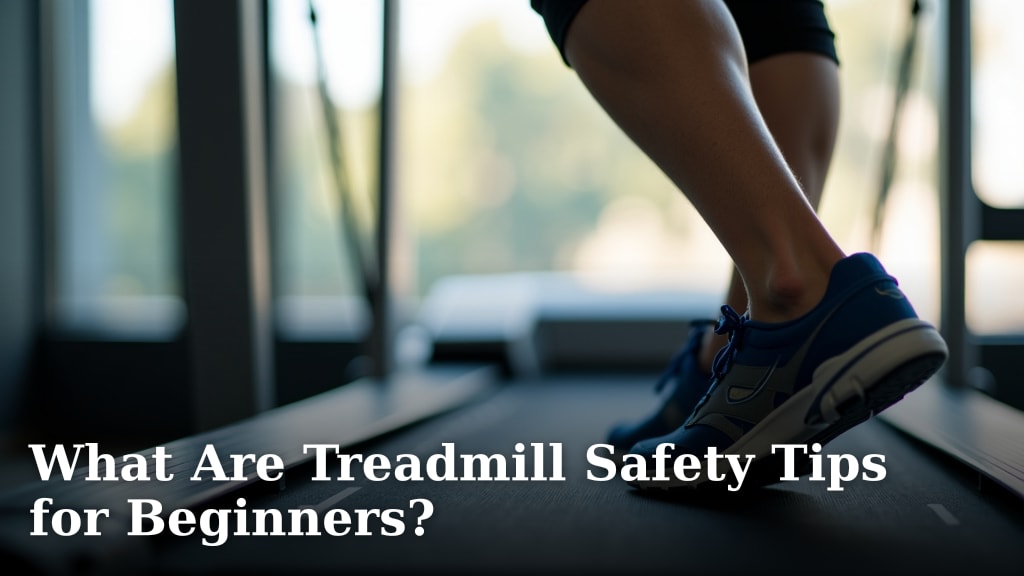
To ensure safety as a beginner on a treadmill, always start slowly, understand the controls, and use the safety clip. These simple steps help prevent accidents and make your workout enjoyable. Your well-being is the top priority when beginning a new fitness routine.
You might be excited to jump into your fitness journey, but rushing onto a treadmill can be risky. We found that beginners often overlook crucial safety features and proper form. Taking a few moments to learn the basics can prevent injuries and build a positive workout habit.
- Understand your treadmill’s controls.
- Always use the safety clip.
- Start with a slow walk.
- Maintain proper posture.
- Stay hydrated and aware.
Ready to make your treadmill workouts safe and effective? Let’s walk through everything you need to know about treadmill safety tips for beginners.
Essential Treadmill Safety Measures for Beginners
Starting a new fitness routine can feel like a big step. You’re ready to get active, but we want to make sure you do it safely and confidently. Think of your treadmill as a friendly partner, not a foe. Understanding its basic functions is your first line of defense against slips and trips.
Familiarize Yourself with Your Treadmill’s Features
Before you even step on, take a moment to look at your treadmill. What do all those buttons do? We found that many beginners often skip this crucial step, leading to confusion during a workout (American Council on Exercise).
Understanding the Control Panel
Your treadmill’s control panel is like the cockpit of an airplane. It tells you everything you need to know. Where is the “start” button? The “stop” button? You’ll also see controls for speed and incline. Locate them all before you begin.
Most treadmills have a “quick start” option. This will get the belt moving at a slow, safe pace. Don’t be shy about pressing buttons to see what they do – just make sure you’re not on the belt when you’re exploring!
The All-Important Safety Clip
This little device is your best friend on a treadmill. It’s usually a small clip attached to a cord. The clip attaches to your clothing, and the other end plugs into the treadmill. If you stumble or fall, the cord pulls the clip out, and the treadmill stops instantly. It’s a simple, yet lifesaving feature.
We often see people neglecting to use this. Please, make it a habit every single time. It’s there for your protection, and it really works!
Stepping Onto the Treadmill Safely
You’ve got your shoes tied, your water bottle ready, and you’re feeling good. But how do you actually get on this moving machine without looking like you’re trying out for a circus act?
The Proper Way to Mount and Dismount
Always start the treadmill first, then step on. Stand with your feet on the side rails, not on the belt itself. Begin at the lowest speed setting – a gentle walk. Once the belt is moving steadily, step onto it one foot at a time. Hold onto the handrails for balance if you need to.
When you’re done, gently reduce the speed to a complete stop. Wait for the belt to stop moving entirely before stepping off onto the floor. Trying to jump off a moving belt is a recipe for disaster.
Maintain Awareness of Your Surroundings
It’s easy to get lost in your music or a TV show. However, it’s vital to stay aware of your body and the treadmill itself. Are your shoelaces untied? Is there anything on the floor near the treadmill that could trip you?
We recommend against texting or reading while on the treadmill. Your focus should be on your workout and your safety. Distractions can lead to loss of balance and potential falls (National Institutes of Health).
Optimizing Your Treadmill Workout for Safety and Comfort
Once you’re moving, there’s more to consider than just putting one foot in front of the other. Your form, your gear, and how you listen to your body all play a role in a safe and effective workout.
Proper Posture and Body Mechanics
Good posture isn’t just for looking good; it’s essential for preventing strain and injury. Stand tall, with your shoulders back and relaxed. Look straight ahead, not down at your feet. Your arms should swing naturally at your sides, not clutching the handrails.
Clinging to the handrails can throw off your natural gait and put undue stress on your joints. Try to only use them for balance if you truly need to. Aim for a smooth, natural stride. Think of how you walk outside.
Appropriate Footwear and Attire
What you wear matters! Running or walking shoes designed for athletic activity are a must. They provide the necessary cushioning and support. Avoid sandals, bare feet, or worn-out shoes that offer no stability.
Loose clothing can also be a hazard. Baggy pants or drawstrings can get caught in the moving belt, leading to a nasty fall. Opt for athletic wear that fits well and allows for full range of motion.
Here’s a quick checklist for your treadmill readiness:
- Safety clip is attached to you and the machine.
- Shoes are tied and appropriate for exercise.
- Clothing is comfortable and not baggy.
- Water bottle is within easy reach.
- You’ve located the “stop” button.
- No distractions (phone, books) in hand.
Understanding Speed and Incline Adjustments
Don’t try to be a superhero on day one. Slowly increase your speed and incline. Your body needs time to adjust. Pushing too hard, too fast, can lead to muscle strain or even more serious injuries.
Gradually Increase Intensity
Start with a brisk walk. Once you feel comfortable, you can slowly increase the speed. A good rule of thumb is to only increase speed by 0.1 or 0.2 mph at a time. Feel how your body reacts to each change.
Incline adds an extra challenge, mimicking walking uphill. Introduce incline gradually, perhaps 1-2% at a time. Listen to your body; if you feel discomfort, reduce the intensity. This slow, steady approach builds fitness and prevents overexertion (Mayo Clinic).
Pacing Yourself and Listening to Your Body
Your body sends you signals, and it’s important to pay attention. Are you feeling dizzy? Out of breath? Is there any pain in your joints? These are all signs that you might need to slow down or even stop.
We’ve found that beginners often push themselves too hard too soon. It’s okay to take breaks or shorten your workout if your body tells you to. Consistency over intensity is key for long-term health benefits.
Before and After Your Treadmill Session
Your workout doesn’t just happen on the belt. What you do before and after your run or walk can also impact your safety and results.
Warm-up and Cool-down Routines
A proper warm-up prepares your muscles for activity, while a cool-down helps your body recover. Spend 5 minutes walking at a very slow pace before you pick up speed. This gets your blood flowing and warms up your joints.
At the end of your workout, gradually decrease your speed for another 5 minutes. Then, step off and do some light stretching. This helps prevent muscle soreness and keeps your body feeling good.
| Activity | Before Treadmill | During Treadmill | After Treadmill |
|---|---|---|---|
| Actions | Warm-up walk, check shoes, safety clip | Maintain posture, stay hydrated, monitor speed | Cool-down walk, light stretching |
| Focus | Preparation & readiness | Form & body signals | Recovery & flexibility |
Stay Hydrated
Keep a water bottle close by. Hydration is crucial for any physical activity, especially when you’re sweating. Take sips of water throughout your workout. Don’t wait until you feel thirsty; by then, you’re already a bit dehydrated.
Proper hydration helps your body regulate temperature and keeps your muscles working efficiently. It’s a simple step that makes a big difference in your workout experience.
Conclusion
You’ve taken the first safe steps toward a rewarding treadmill routine. By understanding your machine, using the safety clip consistently, and practicing good form, you’re building a strong foundation. Remember to listen to your body, pace yourself, and always prioritize safety over speed.
We found that a mindful approach prevents injuries and builds lasting fitness habits. So, put these tips into practice on your next workout. Your dedication to safe practices will ensure your fitness journey is both effective and enjoyable.
Frequently Asked Questions
How long should a beginner’s treadmill workout be?
Start with shorter sessions, around 15-20 minutes, including a warm-up and cool-down. As your stamina improves, you can gradually increase the duration. Consistency is more important than length when you’re just starting out.
Can I watch TV or read a book while on the treadmill?
We advise against it for beginners. Your focus should be on maintaining balance and proper form. Distractions can lead to missteps or falls. Once you’re very comfortable, you might try a low-distraction activity, but always stay aware.
What if I feel dizzy or unwell during a treadmill workout?
Stop the treadmill immediately using the stop button or by pulling the safety clip. Step off carefully and rest. If symptoms persist, consult a medical professional. Your health and safety come first.
Is it better to walk or run on a treadmill as a beginner?
Always start with walking to build endurance and get used to the machine. Once you feel completely comfortable and have good form at a brisk walk, you can slowly introduce short intervals of jogging. Don’t rush into running.
How often should I use the treadmill as a beginner?
Aim for 3-4 times per week, allowing for rest days in between. This gives your body time to recover and adapt. Listen to your body and adjust your schedule based on how you feel.