
How to Use Incline on a Treadmill?
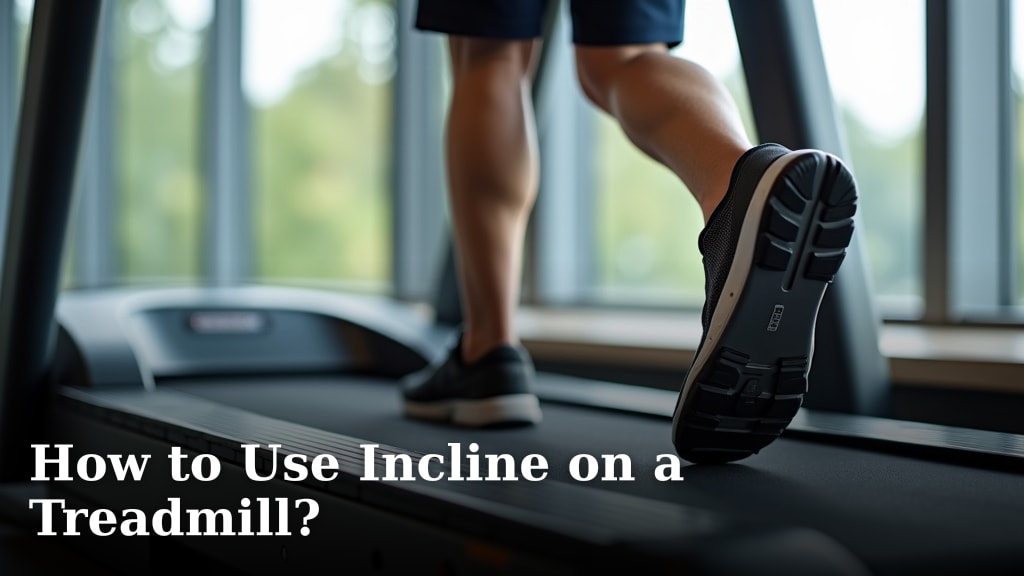
To use incline on a treadmill, you should start with a low incline setting (1-2%) and gradually increase it as you get stronger. This helps you simulate uphill walking or running, making your workout more challenging and effective.
Adding incline transforms your treadmill workout from a flat road into a hilly path. It can boost calorie burn and target different leg muscles like your glutes and hamstrings. We found that even a small incline can make a big difference in workout intensity.
- Start with a gentle incline (1-2%).
- Increase incline gradually over time.
- Focus on good posture.
- Use incline for calorie burning and muscle targeting.
- Listen to your body to avoid overexertion.
Let’s dive deeper into how you can effectively use treadmill incline to get more from your workouts, safely and efficiently.
Setting Up Your Treadmill Incline for Success
Setting up your treadmill’s incline properly is key to a rewarding workout. You want to challenge yourself without overdoing it. We’ll guide you through finding that sweet spot for maximum benefit.
Understanding Incline Levels
Treadmill incline is often measured in percentages. What does that percentage mean? It tells you how steep the “hill” is you’re walking or running on. A 1% incline means a 1-foot rise over 100 feet.
Most treadmills offer incline settings from 0% to 15% or even 20%. A higher percentage means a steeper climb, which means more work for your muscles and heart. It’s like going from a gentle slope to a serious mountain climb.
Starting With a Gentle Slope
If you’re new to incline training, resist the urge to jump to a high setting. Begin slowly. A 1% or 2% incline is a great starting point. This small change makes your workout feel more like natural outdoor terrain (Mayo Clinic).
Even a low incline activates different muscle groups compared to a flat surface. You’ll notice your calves and glutes working a bit harder. This gentle start helps your body adapt and prevents muscle soreness.
Gradually Increasing Your Challenge
Once you feel comfortable at a lower incline, you can slowly increase it. Add 0.5% or 1% each week or every few workouts. Pay attention to how your body feels.
Don’t push yourself too hard too fast. The goal is steady progress, not quick exhaustion. Listen to your body’s signals; if you feel pain, reduce the incline or stop. Consistency beats intensity every time.
Maximize Your Workout: Benefits of Treadmill Incline
Using incline on a treadmill isn’t just about making things harder. It brings a host of benefits that can transform your fitness journey. You’ll work more muscles and burn more calories.
Boosting Calorie Burn
When you walk or run uphill, your body has to work harder against gravity. This extra effort means you burn more calories in the same amount of time. It’s a simple way to make your workout more efficient.
Even a modest incline significantly increases energy expenditure. We found that walking at 2-3 mph on a 5% incline can burn similar calories to running at a flat pace (American Council on Exercise). More bang for your buck, right?
Targeting Specific Muscle Groups
Incline training is a secret weapon for shaping your lower body. It engages muscles that flat walking or running might neglect. Think of it as a natural strength builder.
- Glutes (buttocks): As you climb, your glutes work harder to propel you forward. This helps build a stronger, more toned backside.
- Hamstrings (back of thighs): These muscles get a deeper stretch and more activation. They help extend your hip and bend your knee.
- Calves (back of lower legs): Your calves work overtime to lift your heel and push off the ground. You’ll feel the burn here!
- Hip Flexors: These muscles at the front of your hip are also engaged as you lift your knees.
By varying the incline, you can emphasize different parts of your legs. It’s like having a personal trainer for your lower body.
Reducing Impact on Joints
Running on a flat surface can be tough on your joints, especially knees and ankles. Incline walking, however, can be gentler. It reduces the impact because you’re moving at a slower speed.
While walking uphill, your stride shortens slightly, and your foot spends more time on the treadmill belt. This naturally softens the landing and reduces stress. We’ve seen this benefit for many people recovering from injuries (National Institutes of Health).
Integrating Incline into Your Treadmill Routine
You can use incline in many creative ways. Don’t just set it and forget it. Varying your routine keeps things fresh and helps you see better results. How can you mix it up?
Incline Walking Workouts
Power walking on an incline is a fantastic cardiovascular workout. You can get your heart rate up without having to run. It’s perfect for those days you want a challenging but low-impact session.
Consider a “power hike” simulation. Set a moderate incline (e.g., 5-8%) and walk at a brisk pace (3-4 mph). Maintain this for 20-30 minutes. You’ll feel like you’ve been on a trail even while indoors.
Incline Running Workouts
Running uphill makes your runs much more demanding. It builds leg strength and endurance. If you’re training for an outdoor race with hills, this is excellent practice.
Try interval training: run for 2-3 minutes at a higher incline (e.g., 3-5%), then reduce the incline to 1-2% for 1-2 minutes to recover. Repeat this cycle several times. This strategy helps improve your speed and cardiovascular fitness.
Incorporating Varied Incline Profiles
Many treadmills have pre-programmed incline workouts. These often mimic rolling hills or mountain climbs. They automatically adjust the incline for you, which is a great way to stay engaged.
You can also create your own custom incline profiles. Start with a warm-up at 1-2%, then gradually increase the incline every 5 minutes, reaching a peak. Then, slowly decrease it for a cool-down. This mimics outdoor terrain changes.
Common Mistakes and How to Avoid Them
As with any exercise, there are common missteps when using incline. Knowing these can help you stay safe and get the most from your efforts. Don’t let these small things derail your progress.
Holding Onto the Handrails
This is a big one! Many people hold onto the handrails when the incline gets tough. While it feels easier, it actually reduces the effectiveness of your workout. You’re leaning back and shifting your body weight unnaturally.
Holding on can also strain your shoulders and wrists. It defeats the purpose of the incline, as your legs don’t have to work as hard. Instead, try slowing down your pace if you’re struggling to maintain balance without holding on.
Leaning Back or Forward Excessively
When you’re walking or running uphill, instinct might tell you to lean back or hunch forward. Try to resist this. Maintain good posture: a slight lean forward from the ankles, not the hips, is natural.
Keep your chest up, shoulders back, and look straight ahead. This proper alignment helps engage your core muscles and prevents back strain. Think about how you would naturally climb a hill outside.
Ignoring Your Body’s Signals
Your body talks to you; you just need to listen. If you feel sharp pain, extreme dizziness, or unusual discomfort, stop immediately. Pushing through pain can lead to injury.
It’s okay to reduce the incline or slow your pace if you’re feeling overwhelmed. Exercise should feel challenging but not agonizing. Recovering from an injury takes much longer than taking a short break.
Your Incline Treadmill Checklist
Before you step on the treadmill, quickly review this checklist. It ensures you’re ready for a safe and effective incline workout. A little preparation goes a long way!
- Wear appropriate athletic shoes for stability.
- Start with a dynamic warm-up: arm circles, leg swings.
- Set an initial incline of 1-2% for a gentle start.
- Focus on maintaining good posture: chest up, shoulders relaxed.
- Avoid holding onto handrails; slow down if needed.
- Have water nearby to stay hydrated during your workout.
Choosing the Right Treadmill for Incline Workouts
Not all treadmills are created equal, especially when it comes to incline features. Picking the right machine can make a big difference in your experience and potential. What should you look for?
Consider Incline Range and Motor Power
If incline is a priority for you, check the maximum incline percentage. Entry-level treadmills might only offer up to 10-12%, while more advanced models go up to 15-20% and sometimes even negative decline. Higher incline ranges offer greater versatility.
Motor power (horsepower, or HP) is also important. A stronger motor will handle higher inclines and heavier users more smoothly. For regular incline use, aim for at least a 2.5-3.0 continuous duty HP motor. This will prevent the motor from straining and prolong the life of your machine.
Pre-Programmed Incline Workouts and Features
Many modern treadmills come with pre-set programs designed to incorporate incline automatically. These can be a fantastic way to add variety to your routine without constant manual adjustments. Look for options that offer “hill” or “mountain” programs.
Some even feature interactive training where the incline adjusts based on virtual outdoor routes. This can make your workouts more engaging and enjoyable. Consider if these tech features align with your fitness goals.
| Incline Level | Typical Use | Benefits Highlighted |
|---|---|---|
| 0-1% | Warm-up, cool-down, natural outdoor simulation | Gentle on joints, prepares muscles |
| 2-4% | Brisk walking, light jogging, increased calorie burn | Cardiovascular boost, mild glute/hamstring activation |
| 5-8% | Power walking, moderate running, hill training | Significant calorie burn, strengthens glutes/calves |
| 9-12% | Steep walking, intense hill repeats | High calorie burn, intense lower body and core work |
| 13%+ | Mountain climbing simulation, advanced strength training | Maximum muscle recruitment, extreme challenge |
Conclusion
You now have all the tools to transform your treadmill workouts using incline. Remember to start slow and gradually increase your challenge, listening to your body every step of the way. We’ve seen how integrating incline can seriously boost calorie burn, target your leg muscles, and even be gentler on your joints.
Avoid common mistakes like holding handrails and focus on good posture. Getting the most from your incline workouts isn’t about perfection; it’s about consistent, mindful effort. So, lace up your shoes and add that first gentle incline to your next session. Your body will thank you!
Frequently Asked Questions
Is incline better than speed on a treadmill?
Both incline and speed increase workout intensity, but in different ways. Incline puts more focus on your glutes and hamstrings, simulating uphill movement. Speed generally burns more calories due to higher cardiovascular demand, but incline can be a great, lower-impact alternative for similar calorie burn.
How long should I walk on an incline treadmill?
The ideal duration depends on your fitness level and goals. For beginners, start with 15-20 minutes, gradually increasing. More advanced users might aim for 30-60 minutes. Always ensure you include a warm-up and cool-down period.
Does incline walking help lose belly fat?
Incline walking, like any cardiovascular exercise, contributes to overall calorie expenditure and fat loss. When combined with a balanced diet, it’s an effective way to reduce body fat, including belly fat. Consistency is key for achieving these results.
What incline burns the most calories?
Generally, a higher incline and a brisk pace will burn the most calories. A steep incline, around 10-15%, often engages more muscles and requires more energy than a flatter surface. However, always choose an incline you can maintain safely and with good form.
Can I do daily incline treadmill workouts?
Yes, you can do incline treadmill workouts daily if they are moderate and you listen to your body. For very intense incline sessions, you might want to alternate with rest days or different types of exercise. Varying your routine helps prevent overuse injuries and keeps your workouts fresh.
