
What Safety Features Should a Treadmill Have for Seniors?
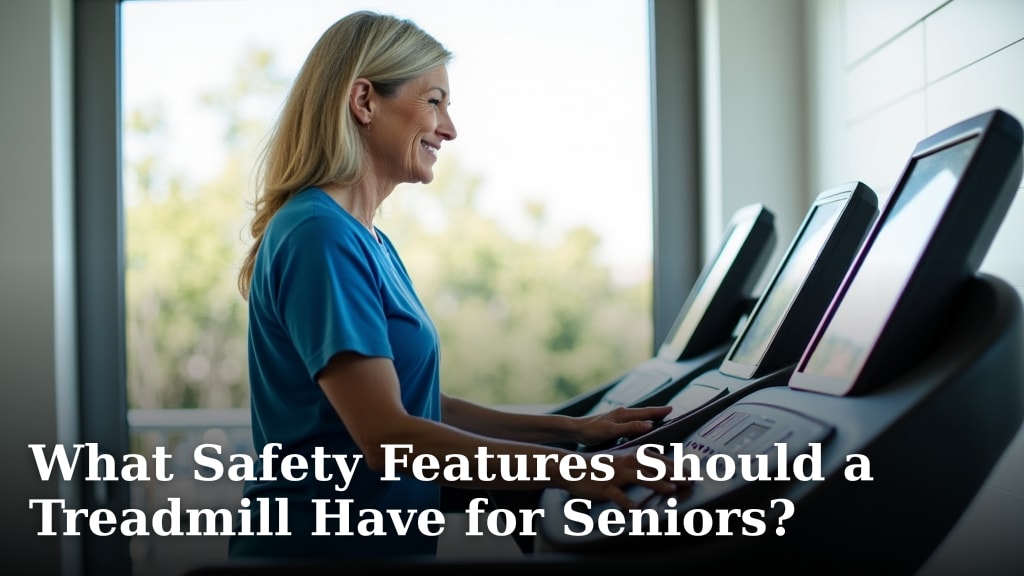
For seniors, a treadmill should have robust safety features like an emergency stop clip, sturdy handrails, a low step-up height, and a clear, easy-to-read display. These elements are key for a safe and comfortable workout. Prioritizing these features helps prevent falls and ensures a secure exercise experience, allowing you to focus on your health.
When looking for a treadmill, consider how it will fit your physical needs and daily routine. We found that features like cushioned decks and simple controls greatly enhance user safety. Are you looking for something easy to move, or a more permanent setup? Your personal preference for ease of use is important too.
TL;DR
- Emergency stop clip is essential.
- Sturdy handrails provide balance support.
- Low step-up height reduces fall risk.
- Clear, simple display for easy operation.
- Cushioned deck protects joints.
Finding the right treadmill means understanding which safety features matter most to you. Let’s walk through the specific features that will give you peace of mind while exercising.
Essential Treadmill Features for Senior Safety
When you’re looking for a treadmill, safety is likely your top concern. You want a machine that helps you stay active without increasing your risk of falls or injury. We found that certain features are especially important for seniors.
Think of it as building a sturdy foundation for your fitness routine. Each safety feature adds a layer of protection, making your exercise experience more enjoyable and worry-free. Let’s dive into what those features are.
Prioritizing Emergency and Stability Controls
The ability to stop quickly and maintain balance is non-negotiable. These features act as your immediate safety net. They give you confidence that you’re in control, even if you feel a little unsteady.
The Emergency Stop Clip: Your Lifeline
This little clip is a big deal. You attach one end to your clothing and the other to the treadmill’s console. If you stumble or move too far back on the belt, the clip pulls free, and the treadmill stops instantly. It’s like having an automatic brake for your workout (National Institute on Aging).
We found that this feature is often overlooked but provides unbeatable peace of mind. Always make sure you use it. It’s there for your safety, ready to act if you need it.
Sturdy Handrails: Support When You Need It
Handrails offer crucial support for balance. But not all handrails are created equal. For seniors, look for handrails that are long and easy to grip. They should extend far enough forward and back to help you get on and off safely, and to steady yourself during your walk.
Short, flimsy handrails won’t give you the stability you need. Think of them as your walking partners, always there to lend a steadying hand. You want to feel secure, not just something to lightly touch.
Designing for Ease of Use and Accessibility
A treadmill should fit your body, not the other way around. Accessibility features make starting and stopping your workout simple and safe. They prevent awkward movements that could lead to a fall.
Low Step-Up Height: Minimizing Trip Hazards
Getting onto a treadmill shouldn’t feel like climbing a mountain. A low step-up height means the belt is closer to the ground, reducing the effort and risk involved in mounting the machine. This is a critical factor for preventing stumbles before your workout even begins.
Look for models where the deck isn’t too high off the floor. Every inch matters when it comes to stepping on and off comfortably. It makes the treadmill much more approachable.
Clear and Simple Control Panel: No Guesswork
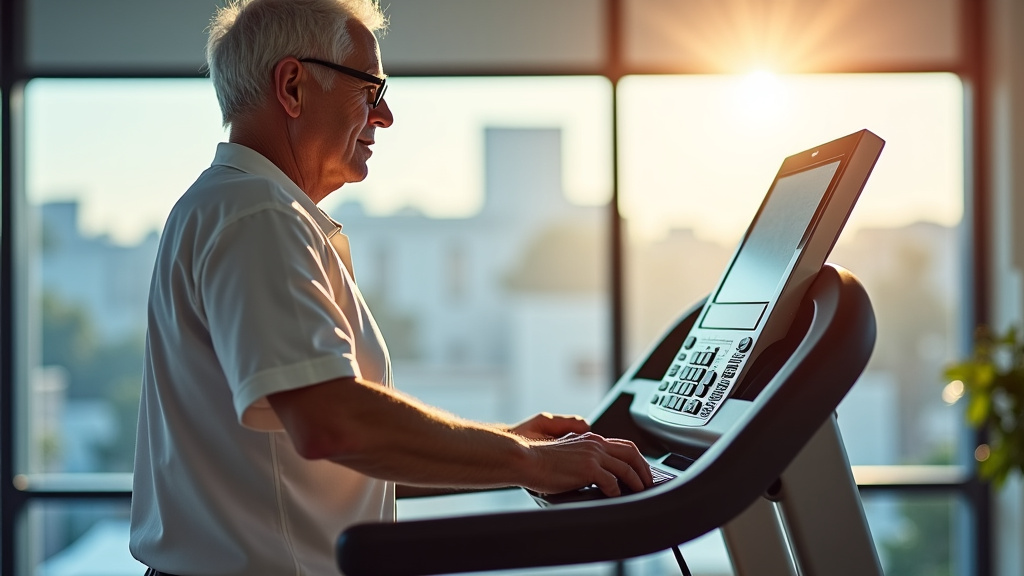
Imagine trying to decipher tiny buttons or a complex screen while you’re moving. Not ideal, right? A good treadmill for seniors has a large, easy-to-read display with clear labels. Buttons should be big and responsive, not small and fiddly.
You want to quickly adjust speed or incline without having to squint or stop your stride. We found that intuitive controls make a big difference in the overall safety and enjoyment of your exercise. Simple is always better here.
Comfort and Joint Protection Features
Beyond preventing falls, a safe treadmill also protects your body from impact. Cushioned decks and appropriate speed settings keep your joints happy and your workout comfortable.
Cushioned Deck: Protecting Your Joints
Walking or jogging on a hard surface can be tough on your knees, hips, and ankles. A cushioned deck absorbs some of that impact, making your workout much gentler on your joints. Many experts say this cushioning is similar to walking on grass rather than pavement (American Council on Exercise).
Different treadmills offer different levels of cushioning. Some even have adjustable cushioning. Try a few out if you can. Your joints will thank you later for choosing a deck that feels good underfoot.
Appropriate Speed and Incline Ranges: Starting Slow
You don’t need a treadmill that goes from zero to sixty in three seconds. For seniors, a treadmill with a low starting speed and gradual incline adjustments is ideal. This allows you to ease into your workout and increase intensity at your own pace.
Too many options can be overwhelming, but too few might limit your progression. Look for a machine that offers fine-tuned control over speed and incline. You want to feel in command, not overwhelmed by a sudden change in pace.
Additional Safety Considerations for Treadmills
Sometimes, it’s the little things that make a big difference. These extra features can enhance your overall safety and user experience, providing more confidence during your workout.
Motor Strength and Smooth Operation: No Jerks
A treadmill’s motor should run smoothly and consistently. A weak motor might hesitate or jerk, which can throw you off balance. For seniors, a continuous duty horsepower (CHP) of 2.0 or higher is often recommended for smooth operation (Consumer Reports).
A strong motor ensures a steady belt movement, even at lower speeds. This prevents sudden changes that could destabilize you. You want a treadmill that feels reliable and predictable every single time.
Noise Level: Staying Focused and Aware
A very noisy treadmill can be distracting. It might make it harder to hear what’s going on around you, or even to focus on your balance. We found that a quieter machine often indicates a better quality motor and construction.
A quieter treadmill allows you to concentrate on your stride and surroundings. This can indirectly contribute to safety by reducing sensory overload. Plus, it just makes for a more pleasant workout experience.
Treadmill Safety Checklist for Seniors
To help you remember all these important points, here’s a quick checklist. Use this when you’re comparing different models. It’s your guide to making a smart, safe choice.
- Does it have an easily accessible emergency stop clip?
- Are the handrails long, sturdy, and easy to grip?
- Is the step-up height low and manageable?
- Are the control panel and display clear and simple to use?
- Does the deck offer good cushioning for joint protection?
- Does it have a smooth, powerful motor with gentle speed changes?
| Safety Feature | Why It’s Important for Seniors | What to Look For |
|---|---|---|
| Emergency Stop Clip | Instantly stops the belt if you lose balance. | Magnetic clip on the console, attaches to clothing. |
| Sturdy Handrails | Provides vital support for balance and stability. | Long, wide, textured for grip, extends forward/back. |
| Low Step-Up Height | Reduces effort and risk when getting on/off. | Belt close to the floor (e.g., under 8 inches). |
| Simple Controls | Easy to adjust settings without distraction. | Large buttons, clear display, intuitive layout. |
| Cushioned Deck | Protects joints from impact during exercise. | “Shock absorption” or “flex” mentioned in specs. |
| Smooth Motor | Ensures consistent and predictable belt movement. | CHP 2.0 or higher, quiet operation. |
Choosing a treadmill with these features means you’re investing in your health and your safety. You’re creating an environment where you can exercise with confidence, knowing the machine is designed to support you every step of the way.
Conclusion
Choosing the right treadmill means prioritizing your safety and comfort above all else. We’ve walked through the key features that can make a real difference in your workout experience. From the instant stopping power of an emergency clip to the joint protection of a cushioned deck, each element plays a vital role.
You deserve a treadmill that makes you feel secure and confident, allowing you to focus on your health goals without worry. Take your time, compare models using our checklist, and invest in a machine that truly supports your active lifestyle. Your well-being is worth it.
Frequently Asked Questions
How important is motor strength for senior treadmill safety?
Motor strength is very important for safety. A strong motor, typically 2.0 CHP or higher, ensures the belt moves smoothly and consistently. This prevents sudden jerks or slowdowns that could cause you to lose balance.
Can I use a regular treadmill if I’m a senior, or do I need a special one?
While you can use many treadmills, prioritizing models with specific safety features designed for seniors is highly recommended. These features, like lower step-up heights and longer handrails, greatly reduce fall risks and improve overall comfort compared to standard models.
What if I have limited space? Are there safe, compact treadmills for seniors?
Yes, some manufacturers offer compact or foldable treadmills that still include essential safety features. When looking at these, ensure they don’t compromise on stability, handrail length, or motor quality. Always check the weight capacity and build materials.
Should I look for a treadmill with pre-set programs, or simple manual controls?
For seniors, simple manual controls are often preferred for ease of use and immediate adjustments. If a treadmill has pre-set programs, ensure they are clearly labeled and easy to navigate without complex menus. You want to avoid confusion during your workout.
How often should I have my treadmill inspected for safety?
It’s a good idea to perform a basic visual inspection before each use, checking the emergency clip and belt condition. For a more thorough safety check, consult your owner’s manual for recommended maintenance schedules, often yearly. This helps ensure all components are working correctly.
