
How To Service A Treadmill?
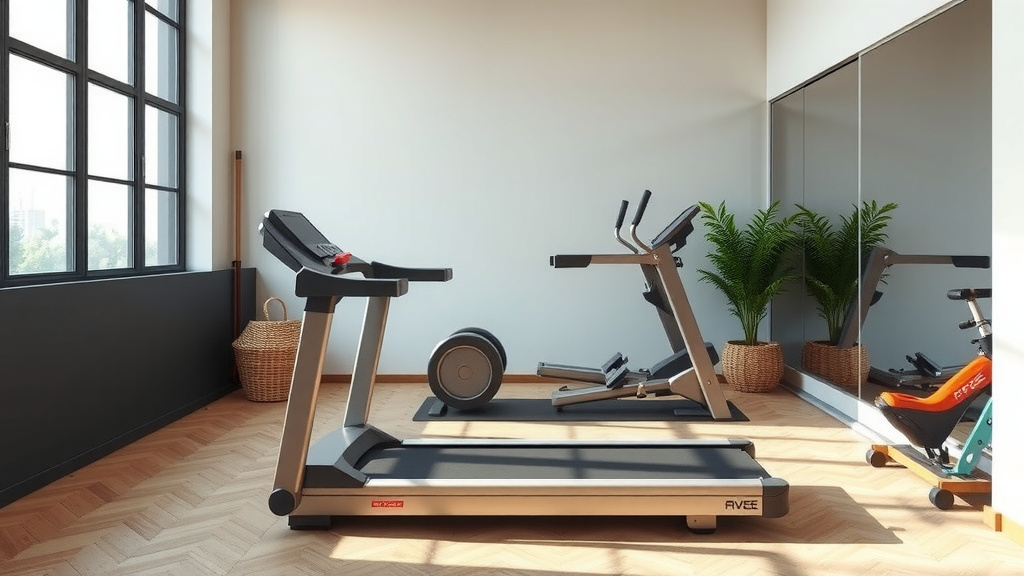
To service a treadmill, first, you must unplug it for safety. Then, clean the deck, lubricate the belt if needed, and check all components for wear and tear.
Regular treadmill service involves tasks like inspecting the motor, tightening bolts, and ensuring proper belt tension to keep your machine running smoothly.
- Keep your treadmill running smoothly and safely with simple, regular maintenance steps.
- Unplug the machine before any service to prevent accidents.
- Clean the walking deck, belt, and surrounding areas often to stop dust buildup.
- Lubricate the belt as recommended by your treadmill’s manufacturer to reduce friction.
- Regularly check and tighten all bolts and screws to avoid instability during use.
How To Service A Treadmill?
Servicing a treadmill involves a series of maintenance steps to ensure its longevity and your safety. You’ll focus on cleaning, lubrication, and checking for wear and tear on key components.
This routine care helps prevent costly repairs and keeps your workout experience smooth and efficient. It’s like giving your car a regular oil change.
Why Service Your Treadmill?
Think of your treadmill as an investment in your health. Just like any important machine, it needs care.
Regular servicing prevents small issues from becoming big problems. We found that skipping maintenance can shorten your treadmill’s lifespan significantly.
It also keeps your workouts safer. A well-maintained machine is less likely to surprise you with a sudden stop or a loose part.
Essential Tools You’ll Need
You won’t need a full workshop for most tasks. A few simple items will do the trick.
Gather a vacuum cleaner, a soft cloth, some silicone lubricant (check your manual!), and a set of Allen wrenches. Many treadmills even come with their own special wrench for adjustments.
Safety First! Important Reminders
Before you touch anything, always, always unplug your treadmill. This is the golden rule.
Many experts say working on an plugged-in treadmill is incredibly dangerous. Also, always refer to your specific treadmill’s user manual for model-specific advice. It’s your best friend here.
Step-by-Step Treadmill Service Guide
Ready to get your hands a little dirty? Let’s walk through the process together. These steps are designed to be straightforward.
Cleaning the Deck and Belt
Dust and sweat are treadmills’ worst enemies. They can build up and affect performance.
Wipe Down the Frame
Use a damp, soft cloth to wipe down the console, handrails, and outer frame. You’d be surprised how much grime accumulates here.
This simple act keeps your machine looking good and prevents rust or sticky surfaces. Focus on areas you touch often.
Vacuum Under the Motor Cover
Carefully remove the motor cover (usually a few screws). Then, vacuum any dust bunnies or debris inside.
Many experts emphasize that dust can cause motors to overheat. A clean motor runs cooler and lasts longer (Manufacturers’ Guidelines).
Belt Tension Check and Adjustment
A treadmill belt needs just the right amount of tension. Too loose, and it slips; too tight, and it strains the motor.
You should be able to lift the belt slightly in the middle, about 2-3 inches. If it’s off, use your Allen wrench to make small, even adjustments to the rear rollers.
Lubricating the Treadmill Belt
This step is often the most important for belt longevity. Friction is the enemy here.
We found that most treadmills use a 100% silicone lubricant. Consult your manual for the exact type and frequency.
Apply the lubricant directly under the belt, in the center, working from front to back. Then, walk on the treadmill for a few minutes to spread it evenly.
Inspecting the Motor Cover and Components
Once the motor cover is off, take a good look around. Are there any loose wires?
Are belts frayed? Do you see any unusual wear? Catching these early saves big headaches later on.
Checking the Walking Deck Condition
The walking deck is where your feet land, so it takes a beating. Run your hand under the belt to feel the deck.
It should feel smooth. If you feel grooves or rough spots, it might be time for a deck replacement. A rough deck dramatically increases belt wear.
Tightening Loose Bolts and Screws
Vibration from running can loosen bolts over time. Walk around your treadmill and check every visible bolt.
Use your Allen wrench or a screwdriver to snug them up. A stable machine means a safer workout for you.
Testing and Calibration
Once you’ve finished all your maintenance, plug it back in. Start the treadmill at a slow speed.
Walk on it, then gradually increase the speed. Does it feel smooth? Is the belt centered? Listen for any new sounds or vibrations.
How Often Should You Service Your Treadmill?
The frequency of service depends on how much you use it. A casual walker needs less care than a daily runner.
Many manufacturers provide guidelines based on usage hours. Here’s a general guide:
| Usage Level | Cleaning Frequency | Lubrication Frequency |
|---|---|---|
| Light (1-3 times/week) | Monthly | Every 3-6 months |
| Moderate (3-5 times/week) | Bi-weekly | Every 2-3 months |
| Heavy (Daily/Multiple users) | Weekly | Every 1-2 months |
Common Treadmill Problems You Can Fix
You can often fix small issues yourself. Is the belt squeaking? It might need lubrication.
Does the belt slip? Check the tension. Many experts suggest these are the most common DIY fixes. (Fitness Tech Gurus).
When to Call a Professional
Sometimes, a problem is beyond simple DIY. If you hear a grinding noise, smell burning, or if the electronics are failing, it’s time to call an expert.
Electrical issues or motor problems are best left to trained technicians. Your safety comes first, always.
Treadmill Service Checklist
- Unplugged the machine before starting.
- Wiped down frame and console.
- Vacuumed under the motor cover.
- Checked belt tension and adjusted if needed.
- Lubricated the walking belt.
- Inspected motor area for wear.
- Felt under the walking belt for deck smoothness.
- Tightened all visible bolts and screws.
- Tested treadmill operation after service.
Conclusion
Servicing your treadmill might seem like a chore, but it’s a vital part of owning one. By following these simple steps, you can extend its life and ensure a safe, smooth workout every time.
Think of it as a small investment of your time that pays off big in machine longevity and fewer repair bills. A little care goes a long way for your fitness partner!
What kind of lubricant should I use for my treadmill?
Most treadmills require 100% silicone-based lubricant. Always check your specific treadmill’s user manual, as using the wrong type can damage the belt or deck.
How often should I clean my treadmill?
You should wipe down the frame and console at least once a week, especially after heavy use. Vacuuming under the motor cover should be done monthly for light users and more often for heavy users.
Why is my treadmill belt slipping or feeling jerky?
A slipping or jerky belt often indicates incorrect belt tension or insufficient lubrication. Try adjusting the belt tension first, then consider applying lubricant if your manual recommends it.
Can I replace the treadmill belt myself?
Replacing a treadmill belt can be a complex task that requires specific tools and knowledge. While possible for some, it’s often best to consult your manual or call a professional to ensure it’s done correctly and safely.
What does it mean if my treadmill makes a grinding noise?
A grinding noise typically points to a more serious mechanical issue, possibly with the motor, rollers, or bearings. This is a sign to stop using the machine immediately and contact a qualified service technician.
