
How To Reset Treadmill Belt?
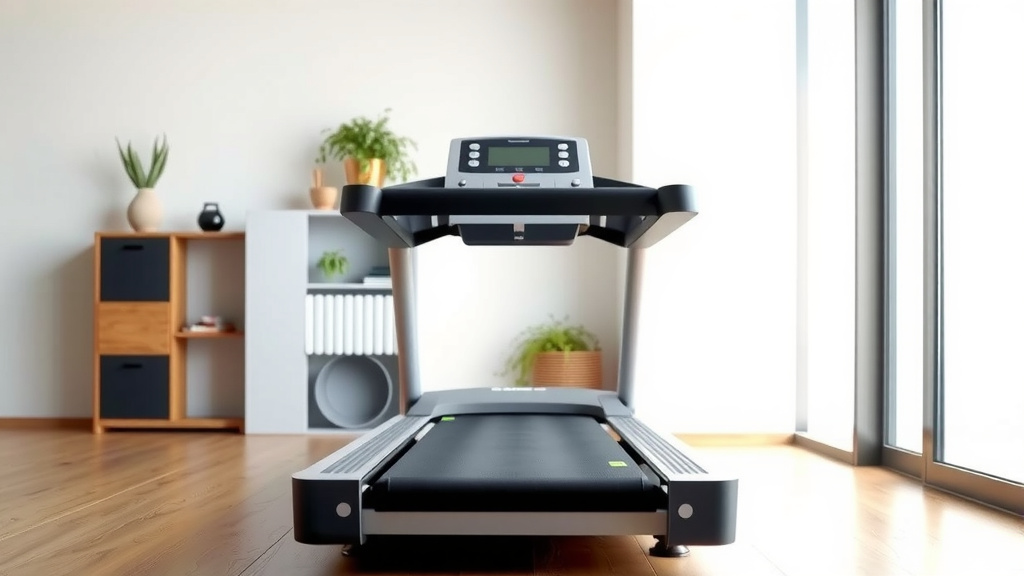
Resetting a treadmill belt typically involves making physical adjustments like tightening or centering it, or lubricating it, rather than pushing a literal “reset” button for the belt itself. You often perform these steps to restore proper function and smooth operation.
To “reset” your treadmill belt, you’ll generally adjust the tension bolts at the rear of the machine, center the belt if it’s drifting, or apply silicone lubricant underneath it.
Here’s a quick rundown of what you need to know about “resetting” your treadmill belt:
- Most “resets” are about physical adjustments, not electronic ones.
- You’ll likely be dealing with belt tension, alignment, or lubrication.
- Always unplug your treadmill before starting any work for safety.
- A common cause for concern is a slipping or jerky belt during use.
- Regular maintenance, like lubrication, prevents many belt problems.
How To Reset Treadmill Belt?
When you talk about “resetting” a treadmill belt, you’re usually referring to specific maintenance tasks to get it running smoothly again. This involves checking and adjusting its tension, ensuring it’s centered, and sometimes lubricating it.
Understanding Why Your Belt Needs a “Reset”
Ever feel like your treadmill isn’t quite right? Maybe the belt feels sticky, slips, or just isn’t moving as it should. We found that these issues are common and usually signal it’s time for some belt TLC.
Common Signs Your Treadmill Belt Needs Attention
You might notice a few things. Does the belt pause or hesitate when you walk? Does it feel like it’s dragging? Or perhaps it makes a strange squeaking sound. Many experts say these are classic indicators.
Sometimes, the belt might even drift to one side, rubbing against the frame. This can cause friction and wear. It’s like a car going out of alignment, right?
Safety First: Before You Begin Any “Reset”
This is non-negotiable. Always, always unplug your treadmill from the wall before touching anything. We can’t stress this enough. Think of it like a superhero putting on their safety goggles before saving the day.
You wouldn’t want the machine to accidentally start while your hands are near moving parts. This simple step protects you from any unexpected surprises.
Essential Tools for Your Treadmill “Reset”
Before you dive in, gather your tools. You’ll generally need a few basic items. These are your trusty sidekicks for the job.
- Allen wrench (usually included with your treadmill)
- Phillips head screwdriver (for some models)
- Silicone lubricant (specifically for treadmills)
- A clean cloth or vacuum for dust
Adjusting Treadmill Belt Tension: The Most Common “Reset”
The running belt needs to have just the right amount of tension. Too loose, and it slips. Too tight, and it puts stress on the motor and bearings. It’s a delicate balance, like Goldilocks finding the perfect porridge.
How to Check Your Belt’s Tension
Here’s a quick test. Stand on the belt, grip the handrails, and push off the belt with your feet. If the belt slips under your feet but the motor sounds like it’s running, it’s likely too loose (Mayo Clinic).
Another way is to try lifting the belt in the middle. You should be able to lift it about 2-3 inches from the deck. If you can lift it more easily, it might be loose.
Tightening a Loose Treadmill Belt
Most treadmills have two adjustment bolts at the rear of the machine. These control the belt tension. You’ll typically use an Allen wrench for this.
Turn both bolts a quarter turn clockwise, one at a time, then test the belt. Repeat this process until the belt no longer slips and you can lift it about 2-3 inches. Remember, small adjustments are key.
Loosening an Over-Tight Treadmill Belt
If your belt feels too stiff, makes a high-pitched whine, or the motor seems to be straining, it might be too tight. You’ll turn the adjustment bolts a quarter turn counter-clockwise.
Go slowly, testing after each adjustment. An overly tight belt can lead to premature wear on both the belt and the motor. You want smooth, quiet operation.
Centering Your Treadmill Belt: A Visual “Reset”
Sometimes, the belt starts to drift to one side. This is called misalignment. If left unchecked, it can damage the belt edges or the treadmill’s side rails.
Identifying a Misaligned Belt
It’s usually pretty obvious. When the treadmill is running, you’ll see the belt edge getting too close to one side rail, or even rubbing against it. This isn’t just cosmetic; it’s a friction generator.
The Centering Process
Start your treadmill at a slow speed, around 2-3 mph. If the belt is drifting to the right, you’ll turn the right adjustment bolt a quarter turn clockwise. If it’s drifting to the left, turn the left adjustment bolt a quarter turn clockwise.
Watch the belt for a minute or two. It should slowly begin to move back towards the center. If it over-corrects, make small counter-adjustments. Patience is your best friend here.
Lubricating Your Treadmill Belt: The Smooth Operator “Reset”
Lubrication isn’t really a “reset” in the adjustment sense, but it’s crucial for the belt’s smooth movement and longevity. It reduces friction between the belt and the deck.
Why Lubricate?
Think of it like oil in your car’s engine. Without it, things seize up. Proper lubrication prevents excessive wear, reduces motor strain, and keeps your workouts feeling effortless.
Many treadmill manufacturers recommend lubricating every 3-6 months, or after every 40-50 hours of use (NordicTrack guidelines often suggest this).
How to Lubricate Your Belt
First, unplug the treadmill. Carefully lift the edge of the belt near the middle of the deck. Squirt a thin line of silicone lubricant in an ‘S’ pattern under the belt, across the width of the deck.
Do this on both sides. Then, plug in the treadmill and walk on it slowly for a few minutes to spread the lubricant evenly. Feel that smoothness? That’s the power of lubrication!
When to Call in the Experts
While many “resets” are DIY-friendly, sometimes issues are more complex. If you’ve tried these steps and the problem persists, or if you suspect a motor or electronic fault, it’s wise to call a professional technician.
Don’t try to fix complex internal parts yourself unless you are qualified. We found that attempting repairs beyond your skill level can sometimes cause more damage (Consumer Reports often warns against this).
Preventative Maintenance Checklist for Your Treadmill Belt
A little regular care goes a long way. Here’s a simple checklist to keep your belt happy and avoid frequent “resets.”
- Wipe down the belt: After each use, wipe off sweat and dust.
- Vacuum underneath: Periodically vacuum dust and debris from under the belt.
- Check tension regularly: Give it a quick check every month or so.
- Inspect for wear: Look for fraying or cracking on the belt surface.
- Lubricate on schedule: Follow your manufacturer’s recommendations.
Treadmill Belt Issues and Quick Fixes Table
Let’s sum up some common belt problems and their usual “reset” solutions.
| Issue | Probable Cause | Common “Reset” Solution |
|---|---|---|
| Belt Slips or Hesitates | Too loose, or needs lubrication | Tighten tension bolts (quarter turn clockwise), or lubricate |
| Belt Drifts to One Side | Misalignment | Adjust tension bolt on the side it drifts away from |
| Belt Feels Sticky or Rough | Lack of lubrication, or dirt/debris | Lubricate, and clean under the belt |
| Squeaking Noise | Lack of lubrication, or motor issues | Lubricate, check motor if noise persists |
| Motor Strains/Overheating | Belt too tight, or motor problem | Loosen tension bolts (quarter turn counter-clockwise), or call technician |
Conclusion
While there isn’t a single “reset” button for your treadmill belt, understanding its common issues and the simple adjustments you can make will keep your machine running smoothly. Most problems boil down to tension, alignment, or lubrication. By following these steps and prioritizing safety, you’ll extend the life of your treadmill and enjoy a more consistent workout.
How often should I lubricate my treadmill belt?
Most manufacturers recommend lubricating your treadmill belt every 3-6 months, or after about 40-50 hours of use, depending on how frequently you exercise. Check your specific treadmill’s manual for the precise recommendation.
What kind of lubricant should I use for my treadmill belt?
You must use 100% silicone treadmill lubricant. Never use WD-40 or other oil-based lubricants, as they can damage the belt and deck of your treadmill, often voiding its warranty.
Can a treadmill belt be too tight?
Yes, a treadmill belt can definitely be too tight. An over-tight belt can strain the motor, increase friction, cause premature wear on the belt itself, and may lead to overheating or component failure. It can also make your workout feel harder than it should.
How do I know if my treadmill belt is misaligned?
You’ll know if your treadmill belt is misaligned if you see it consistently drifting to one side, getting too close to or rubbing against the side rails of the machine. This is usually visible when the treadmill is running at a slow speed.
What if my treadmill belt is slipping but the motor sounds fine?
If your treadmill belt is slipping but you hear the motor working normally, it’s a strong indicator that the belt tension is too loose. You’ll need to adjust the tension bolts at the rear of the treadmill by turning them clockwise in small increments until the slipping stops.


