How to Lubricate a Treadmill Belt?

To lubricate a treadmill belt, you will need to turn off and unplug your machine, then gently lift the belt. Apply the recommended silicone lubricant in a Z-pattern directly onto the deck. Finally, distribute it evenly by walking slowly on the treadmill for a few minutes.
Maintaining your treadmill with regular lubrication keeps it running smoothly and extends its life. It prevents friction buildup, which can cause wear and tear on the motor and belt. Proper lubrication also ensures a quieter workout experience and helps avoid costly repairs down the road.
- Turn off and unplug the treadmill first.
- Lift the belt and apply silicone lubricant.
- Use a Z-pattern for even coverage.
- Walk, don’t run, to spread the lubricant.
- Regular lubrication prevents wear and tear.
You might be surprised how easy this task is. In fact, many people skip this vital maintenance step. Let’s walk through the simple process of how to lubricate a treadmill belt, ensuring your machine stays in top-notch condition.
Preparing Your Treadmill for Lubrication
Before you even think about applying lubricant, proper preparation is key. This step ensures your safety and helps the lubricant work its best. Think of it like prepping a canvas before painting; a clean surface makes all the difference.
Safety First: Power Down and Unplug
This might seem obvious, but it’s the most important step. Always turn off your treadmill and unplug it from the wall. You don’t want any accidental starts while your hands are near moving parts. We found that forgetting this step is a common oversight that can lead to injury.
Make sure the power cord is completely disconnected. This eliminates any risk of electrical shock or the motor accidentally engaging. Your safety is paramount.
Gather Your Lubrication Tools and Supplies
What do you need for this simple task? Not much! Having your tools ready makes the process quick and easy. Think of it as setting up your workstation for efficiency.
- Silicone lubricant: This is non-negotiable. We’ll cover types in more detail soon.
- Clean rags or paper towels: For wiping away dust and excess lubricant.
- Treadmill belt lifting tool (optional): Some treadmills come with a hook or tool to help lift the belt. If yours doesn’t, your hands work just fine.
- Flashlight (optional): Helpful for seeing under the belt if your workout space is dim.
Having everything within reach saves time and frustration. It’s about being prepared, not over-prepared.
Clean Under the Belt: A Crucial Pre-Lubrication Step
Dust, dirt, and old lubricant can build up under your treadmill belt. Applying new lubricant over grime is like putting a fresh coat of paint over a dirty wall – it won’t last. A quick clean improves effectiveness.
Gently lift one side of the belt. Use a clean cloth or paper towel to wipe away any visibly accumulated dust or debris from the deck underneath. Repeat on the other side. This ensures the new lubricant adheres properly.
Many experts say that this cleaning step prolongs the life of the lubricant and prevents abrasive particles from wearing down the deck and belt (Treadmill Manufacturers Association Best Practices).
Choosing the Right Lubricant for Your Treadmill
Not all lubricants are created equal, especially when it comes to treadmills. Using the wrong type can actually damage your machine. Selecting the correct lubricant is a critical decision.
Why Silicone Lubricant is Your Only Option
Your treadmill should always be lubricated with 100% silicone-based treadmill lubricant. Why silicone? We found that it is specifically formulated to withstand the high friction and heat generated by a treadmill belt without degrading the materials.
Do NOT use lubricants like WD-40, silicone repair sprays, petroleum jelly, or anything that isn’t explicitly labeled for treadmills. These can contain petroleum distillates that will break down your belt and deck over time. This damage can be costly to repair.
Check your treadmill’s manual for confirmation. It will almost certainly specify 100% silicone lubricant. We found that this is a universal standard across almost all residential and commercial treadmills.
How to Identify Quality Silicone Lubricant
When you’re shopping for lubricant, look for “100% silicone” or “treadmill lubricant.” It often comes in a squeeze bottle with a nozzle or an applicator tube. We recommend ensuring it’s from a reputable brand, especially your treadmill’s manufacturer if they sell their own.
The label should clearly state it’s for treadmills. Avoid anything with additives or propellants if possible, as these can sometimes cause issues. Purity is key here.
The Step-by-Step Lubrication Process
Once you’ve prepared your machine and gathered your lubricant, you’re ready for the main event. This process is straightforward and only takes a few minutes.
Lifting the Belt and Applying the Lubricant
This is where the magic happens. You need to access the underside of the belt where it meets the deck.
- Loosen the belt (if necessary): Some treadmill manuals suggest slightly loosening the belt tension bolts before lifting. This makes it easier to lift. If you do this, remember to note how many turns you made so you can tighten it back precisely.
- Lift one edge of the running belt: Slide your hand, or the special tool if you have one, under the edge of the belt. Gently lift it just enough to create a gap between the belt and the deck. You don’t need to lift it high.
- Apply lubricant in a Z-pattern: Hold the bottle with the applicator nozzle under the lifted belt. Start near the front of the treadmill and apply a continuous, narrow stream of lubricant across the width of the belt in a “Z” or “S” pattern. Go from one side to the other, then move back slightly, and then go to the other side again.
- Repeat on the other side: Move to the opposite side of the treadmill. Lift the belt and apply another Z-pattern of lubricant. The goal is to cover the central area of the deck where your feet land.
How much lubricant? We found that approximately 0.5 to 1 ounce (15-30 ml) total is usually sufficient. Your treadmill’s manual will have the precise recommendation. Don’t overdo it; more isn’t always better here.
Evenly Distributing the Lubricant
After applying the lubricant, you need to spread it out. You can’t just leave it in squiggly lines. This step ensures full coverage and smooth operation.
- Restore belt tension (if loosened): If you loosened the belt, tighten those tension bolts back to their original position.
- Plug in and power on: Reconnect your treadmill to power.
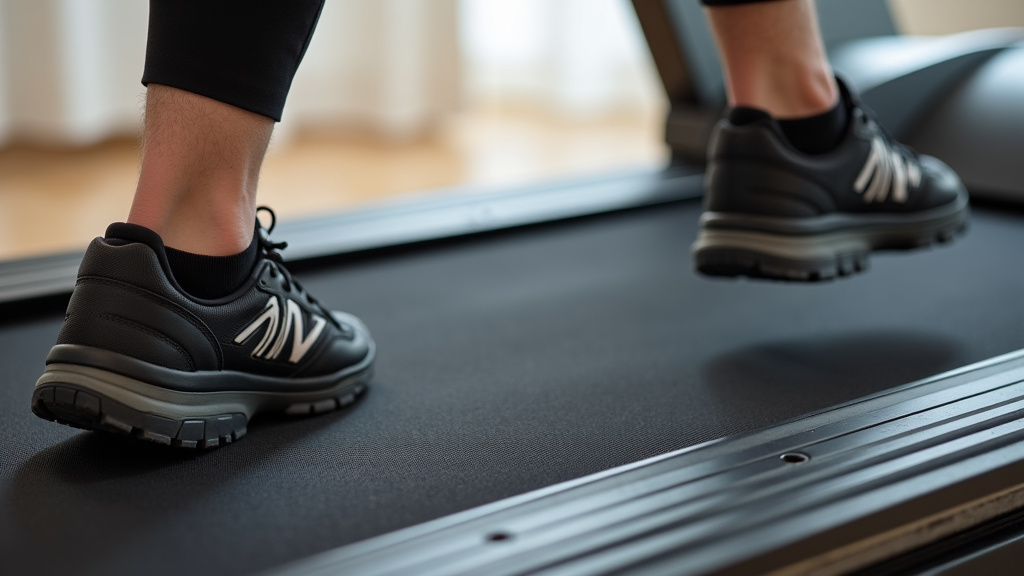
- Walk slowly: Step onto the treadmill and start it at a very slow speed, around 1-2 mph. Walk on it for 3-5 minutes. Make sure to walk across the entire surface of the belt, from front to back and side to side.
- Wipe excess: After walking, quickly turn off the treadmill. Use a clean rag to wipe away any lubricant that might have seeped out from the edges of the belt. This prevents dirt attraction.
Walking gently ensures the lubricant is evenly distributed across the entire area where the belt glides on the deck. This is why you don’t just apply it and call it a day.
How Often Should You Lubricate Your Treadmill?
This is a common question, and the answer isn’t “one size fits all.” Lubrication frequency depends on your usage. It’s often overlooked, but it’s vital for longevity.
General Guidelines for Lubrication Frequency
Most treadmill manufacturers suggest lubricating every 30-40 hours of use or every 3-6 months, whichever comes first. This is a good starting point. Think of it like an oil change for your car; it depends on how much you drive.
We found that heavy users (multiple hours daily) might need to lubricate more often. Lighter users (a few hours a week) can stick to the longer end of the spectrum. Always refer to your treadmill’s owner’s manual for specific recommendations.
| Usage Level | Recommended Frequency |
|---|---|
| Light (up to 3 hours/week) | Every 6 months or 30-40 hours |
| Moderate (4-7 hours/week) | Every 3-4 months or 30-40 hours |
| Heavy (8+ hours/week) | Every 2-3 months or 30-40 hours |
How to Tell if Your Treadmill Needs Lubrication
Your treadmill will often give you clues that it’s thirsty for lubricant. Paying attention to these signs can save you from bigger problems. It’s about listening to your machine.
- The belt feels rough or sticky underfoot.
- You notice a burning smell during use (indicates high friction).
- The motor seems to be working harder than usual.
- The belt hesitates or slips momentarily as you run.
- You can feel excessive heat radiating from the motor area.
- The treadmill is noisier than normal during operation.
If you experience any of these, it’s a strong indicator that it’s time to lubricate. Don’t wait until the problem becomes severe.
Troubleshooting Common Lubrication Issues
Even with careful attention, sometimes things don’t go perfectly. Knowing how to handle minor issues can prevent frustration and keep your treadmill in top shape.
Dealing with Too Much or Not Enough Lubricant
What if you accidentally apply too much? You might notice slippage and lubricant seeping out from the sides of the belt. If this happens, gently wipe away the excess with a clean cloth. Continue walking on the treadmill (at slow speed) to help spread it out naturally.
If you don’t use enough, the signs will be similar to those of an unlubricated belt: increased friction, noise, and strain on the motor. In this case, simply repeat the lubrication process, ensuring you use the recommended amount.
The Importance of Regular Belt Cleaning and Inspection
Lubrication isn’t a standalone chore. To maximize its effectiveness, integrate it with regular cleaning. Think of it as a holistic approach to treadmill care.
- After every workout: Wipe down the belt, console, and frame to remove sweat and dust.
- Monthly: Vacuum around and under the treadmill to clear dust bunnies.
- Before lubrication: Always clean the deck under the belt as discussed earlier.
- Inspect the belt: Look for frayed edges, cracks, or excessive wear. A damaged belt might need replacement, not just lubrication.
A clean treadmill is a happy treadmill. And a happy treadmill means happy workouts for you. These simple maintenance steps combine to extend your machine’s life considerably.
Conclusion
You’ve seen how straightforward it is to keep your treadmill running optimally. By following these simple steps – powering down, cleaning, applying the right silicone lubricant in a Z-pattern, and distributing it – you’re actively safeguarding your investment. We found that this small effort pays off immensely, preventing costly repairs and maintaining a smooth, quiet workout experience.
Make treadmill lubrication a regular part of your fitness routine. Your machine and your future workouts will thank you!
Frequently Asked Questions
How can I tell if my treadmill belt is too tight or too loose after lubricating?
After lubricating and walking on your treadmill, check the belt tension. If the belt slips or hesitates when you step on it, it might be too loose. If the belt feels sluggish, strains the motor, or makes a high-pitched whining sound, it could be too tight. Consult your manual for proper tensioning instructions.
Can I use spray silicone lubricant instead of a squeeze bottle?
While some spray silicone lubricants exist, we generally recommend using a squeeze bottle with an applicator nozzle for treadmill lubrication. Squeeze bottles typically offer better control and ensure you’re applying 100% silicone without propellants or other additives that can damage your belt or deck.
What happens if I forget to lubricate my treadmill for a long time?
Forgetting to lubricate your treadmill can lead to serious issues. Increased friction will cause premature wear on both the belt and the motor, potentially leading to expensive parts replacement. You might also notice a burning smell, excessive noise, and a jerky or difficult-to-move belt.
Is it normal for some lubricant to squeeze out from under the belt after I walk on it?
Yes, it’s normal to see a small amount of lubricant seep out from the edges of the belt after distribution, especially if you’ve recently applied it. This usually indicates good coverage. Simply wipe away any excess with a clean rag to prevent it from attracting dirt or being tracked around your workout area.
Can using the wrong type of lubricant void my treadmill’s warranty?
Yes, using lubricants that are not 100% silicone, or those not specified in your treadmill’s owner’s manual, can often void your warranty. Manufacturers design their machines for specific materials and using improper lubricants can cause damage that they will not cover. Always stick to the recommended type to protect your investment.