5 Best Heart Rate Monitors for Swimming (November 2026)
The best heart rate monitors for swimming include the Scosche Rhythm Heart Rate Monitor Armband for pool swimmers, the COROS Heart Rate Monitor for long training blocks, and the COOSPO Armband Heart Rate Monitor for dual band value.
On this page (9 sections)
- How we compared heart rate monitors for swimming
- The best heart rate monitors for swimming, ranked
- Head to head: water resistance and recording
- Can you use any heart rate monitor for swimming?
- How will your heart rate get recorded during a swim?
- Which fit stays on best in the water?
- What should you check before your first swim?
- If you train in other sports too, which pick wins?
- Our verdict on the best heart rate monitor for swimming
The best heart rate monitor for swimming is the Scosche Rhythm Heart Rate Monitor Armband, thanks to IP68 water resistance and a secure armband fit. A heart rate monitor in swimming needs more than a splash proof label, since your watch or phone may stay on deck while you swim.
Start with our heart rate monitor buying guide if you want the broader picture first.
For pool training, the key question is simple. Will the sensor stay on, stay dry inside, and keep sending data to your watch or app while you move?
The picks below differ a lot on that point, and that is why the scores are close but the badges differ.
Our picks at a glance
-
1

-
2

-
3

- 4
 Check it
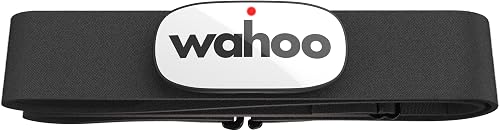
WAHOO TRACKR Heart Rate Monitor
Best for chest strap fans - 5
 Check it
GEOID HS500 Heart Rate Monitor
Best for long battery life
How we compared heart rate monitors for swimming
Our score weighs specs, features and buyer feedback against what you're shopping for. We checked water resistance ratings, battery life, connectivity, fit type and what each brand says about swimming.
That last point matters, because IP67 or IPX7 alone does not always mean a device is meant for pool use.
We also looked at how you will record a swim. Some setups send live data by Bluetooth or ANT+ to a watch on your wrist.
Others need the sensor near a phone or bike computer. If your recording device stays out of the water, test the range at the pool edge before a full session.
Where fit and weight changed the ranking
Weight matters in water because a heavier pod can pull a strap during turns. The WAHOO pod is 30 g and the COROS sensor is 50 g, while the COOSPO armband is listed at 17 g.
A lighter sensor is easier to ignore on your arm, and that comfort can make you more likely to wear it for every lap.
We also checked included parts and warranty terms against daily use. A charger, spare strap or replaceable battery changes how you manage a wet routine.
Those practical details sit behind the headline battery numbers and help explain why similar scores still lead to different badges.
The best heart rate monitors for swimming, ranked
Scosche Rhythm Heart Rate Monitor Armband: Best for pool swimmers
- IP68 waterproof
- 24 hours battery
- ANT+ and Bluetooth Smart
- Optical sensor
- Silicone strap
An optical armband with IP68 water resistance and dual band radio for watches, apps and fitness equipment.
Pros
- IP68 water resistance
- ANT+ and Bluetooth Smart
- Up to 24 hours continuous battery
Cons
- Armband fit needs checking each session
- No mention of onboard swim storage
The Scosche Rhythm suits swimmers who want an armband instead of a chest strap. Its IP68 water resistance is the strongest pool signal in this group, and the silicone strap adjusts to your forearm, bicep or tricep.
That placement can stay put when a chest strap might ride up during dives or flip turns.
It pairs by ANT+ or Bluetooth Smart to sports watches, fitness gear and apps. You can also stream RR interval data to HRV apps for recovery insight, which may help if you track training load across swim and dry land sessions.
Battery life is up to 24 hours of continuous use, so charge it after multi swim weeks rather than daily.
At 2.82 ounces with an 11.5 by 1.5 by 0.5 inch band, it is a low profile optical sensor that should sit flat against the arm. The package includes the tracker, band and charger in black silicone, which is easy to rinse after chlorine exposure.
The trade-off is that it does not state onboard storage for swims when your watch stays dry. If you need data recorded without a live connection, confirm your watch or app setup first.
It is backed by a 1 year warranty and lifetime tech support, which helps if pairing gives trouble.
COROS Heart Rate Monitor: Best for long training blocks
- 38 hours battery
- 80 days standby
- Bluetooth only
- Wear detection
- Nylon band
A Bluetooth armband with wear detection and long battery life for sports watches and apps.
Pros
- 38 hours of full operation
- Wear detection auto power
- Pairs with up to 3 devices
Cons
- Bluetooth only, no ANT+
- Swimming use is not stated
The COROS Heart Rate Monitor suits COROS watch users who train for long blocks. Its 38 hours of operation and 80 days of standby are well ahead of most armbands here.
That means fewer missed swims because the battery is flat, and wear detection powers it on and off as you put it on or take it off.
It connects by Bluetooth only to up to three devices at once, including watches, phones, apps, treadmills and indoor trainers. The nylon band lays flat and locks with a textured surface, and you can remove the sensor for quick cleaning.
The large band fits arm sizes from 9.4 to 16.9 inches.
At 50 g in gray nylon, the sensor has a scratch resistant cover and a magnetic charging cable that refills in 2 hours, with no Type C adapter included. You can view battery level on a COROS watch or app, which is useful before you leave for the pool.
The trade-off is swimming clarity. COROS describes it for sports and activities, but it does not state a water resistance rating or swimming use in the data we checked.
That makes it a risky pool pick until COROS confirms it. For run, bike and indoor training, it is a strong option, and our best heart rate monitor for exercise guide covers that wider use.
COOSPO Armband Heart Rate Monitor: Best for dual band value
- Bluetooth 4.0 and ANT+
- IP67 waterproof
- 25+ hours battery
- Two fabric straps
- Rechargeable
A dual band optical armband with IP67 water resistance and two straps in the package.
Pros
- Bluetooth and ANT+ dual mode
- IP67 water resistance
- Two straps included
Cons
- Maker says do not use for swimming
- Small size listing
The COOSPO Armband suits budget conscious swimmers who also bike and run. It uses Bluetooth 4.0 and ANT+ together, so it can talk to phones, tablets, Garmin watches, Wahoo gear and Peloton equipment.
The IP67 rating means it can handle submersion up to 1 meter, which sounds pool friendly at first glance.
It comes with two fabric straps, which helps when one is wet after a session. Battery life is over 25 hours on a charge, and the LED flashes blue when it finds your heart rate.
That simple start and stop control is easy to learn before you get in the water.
At 17 g in black plastic, this HW706 is the lightest armband here, so it should feel unobtrusive during flip turns and stroke work. It supports GPS bike computers and apps such as Strava, Polar Beat and Wahoo, which makes it flexible for cross training weeks.
The trade-off is clear and important. COOSPO says do not use it for swimming, even with IP67 water resistance.
That warning overrides the rating for pool use, so treat this as a dry land pick in this group. It carries a 12 month warranty, and if you want a dual band armband for cycling, see our best heart rate monitor for cycling picks.
WAHOO TRACKR Heart Rate Monitor: Best for chest strap fans
- IPX7 water resistance
- Up to 200 hours battery
- ANT+ and Bluetooth
- Chest strap sensor
- LED status
A rechargeable chest strap with IPX7 water resistance, LED status and long active battery life.
Pros
- Up to 200 hours active life
- IPX7 water resistance
- ANT+ and Bluetooth
Cons
- Chest strap fit can shift in water
- Swimming use is not stated
The WAHOO TRACKR suits swimmers who trust a chest strap more than an armband. Its IPX7 water resistance covers immersion, and the slim soft strap is meant to stay secure during intense exercise.
LED lights confirm heart rate detection, battery status and connection during a workout.
It connects by ANT+ and Bluetooth to smartphones and a wide range of fitness equipment and apps. Battery life is up to 200 hours of active use, which is far longer than the armbands here.
The package includes the pod, strap, setup guide and charging cable.
At 30 g in white plastic, the rechargeable pod is light enough to forget during long sets, and the LED status helps you check connection before you start. That long battery life means you can train for weeks between charges, unlike the 24 to 38 hour armbands above.
The trade-off is fit in water. A chest strap can shift during turns, dives and open water movement, and WAHOO does not state swimming use in the data we checked.
Test the strap tension on land first, then in shallow water, before you rely on it for a full swim set. It carries a 1 year warranty, and for indoor bike training, our best heart rate monitor for peloton guide may be a better match.
GEOID HS500 Heart Rate Monitor: Best for long battery life
- 800 hours battery
- IP67 waterproof
- ANT+ and Bluetooth
- Chest strap
- CR2032 battery
A chest strap sensor with 800 hours of battery life and IP67 water resistance.
Pros
- 800 hours battery life
- IP67 water resistance
- ANT+ and Bluetooth
Cons
- Maker says swimming is not recommended
- Chest strap fit in water
The GEOID HS500 suits land based training where battery life matters most. It lasts 800 hours, with a replaceable CR2032 battery, so you could train about an hour a day four times a week for about two and a half years.
That is a major plus if you hate charging sensors.
It connects by ANT+ and Bluetooth to phones, tablets, sports watches, bike computers and treadmills. The HS500 has an IP67 rating, a flashing LED to confirm connection, and a wake up time under 1 second.
The package includes the sensor, a pre installed CR2032 battery and an adjustable elastic strap.
That fast wake up means the reading appears as you start your workout, rather than after a long search. The black polyester strap is thin and low energy, and the LED flashes ten times after you wear it correctly, with red indicating it is ready.
The trade-off is swimming guidance. GEOID says swimming is not recommended, so we do not suggest it as a heart rate monitor for swimming despite the IP67 label.
Pairing also needs care, since you should connect through the app you use and not from the phone Bluetooth list. Use it for cycling, running and fitness sessions where its long battery life shines, with a 1 year manufacturer warranty.
Head to head: water resistance and recording
Use this table to spot the real pool differences fast. Water rating alone is not the full story, because a brand warning about swimming can matter more than a number.
Recording method matters too, since live Bluetooth or ANT+ needs your watch or phone within range.
| Product | Water rating | Stated swimming use | Battery | Connectivity |
|---|---|---|---|---|
| Scosche Rhythm | IP68 | Best pool signal here | 24 hours | ANT+ and Bluetooth Smart |
| COROS | Not stated | Not stated | 38 hours | Bluetooth |
| COOSPO | IP67 | Do not use for swimming | 25+ hours | Bluetooth and ANT+ |
| WAHOO TRACKR | IPX7 | Not stated | 200 hours | ANT+ and Bluetooth |
| GEOID HS500 | IP67 | Swimming not recommended | 800 hours | ANT+ and Bluetooth |
Our score weighs specs, features and buyer feedback against what you're shopping for. That is why Scosche leads for swimming even though GEOID has far longer battery life.
The search here is pool use first, and only then general training value.
How battery life fits a swim week
A 24 hour armband needs charging after several swims, while a 200 hour chest strap can last for a full training block. An 800 hour sensor with a replaceable CR2032 battery removes charging from your routine for months.
Choose based on how often you will actually swim, not just on the largest number in the table.
Can you use any heart rate monitor for swimming?
No, not every heart rate monitor is meant for swimming. Some brands state a water rating but still warn against swimming, as COOSPO and GEOID do above.
Read that warning before you trust the rating alone.
What IP68, IP67 and IPX7 mean
IP68 usually means dust tight plus immersion beyond 1 meter under stated conditions. IP67 usually means dust tight plus immersion up to 1 meter.
IPX7 usually means immersion up to 1 meter without dust protection. Those ratings do not automatically cover pool chemicals, salt water, dives or repeated impacts.
Why the brand warning wins
A brand knows its seals, strap materials and sensors. If it says swimming is not recommended, that guidance should override a generic rating.
Chlorine, salt and frequent submersion can stress seals over time, even in a rated device.
How will your heart rate get recorded during a swim?
Most sensors here send live data by Bluetooth or ANT+ to a watch, phone or computer. That means your recording device needs to stay in range while you swim.
A watch on your wrist is usually the easiest setup for laps.
Watches and apps
Pair the sensor in your watch or app, not from the phone Bluetooth list. Start the swim activity, confirm the heart rate reading, then check that the signal holds at the far end of the pool.
If the signal drops, move the watch or phone closer to the water.
What if your phone stays on deck?
A phone on deck may lose Bluetooth when you are underwater or far across the pool. That gap can create missing data or spikes in your record.
A wrist watch with the sensor paired is more reliable for most swimmers.
Which fit stays on best in the water?
Armbands and chest straps each have a pool trade-off. An armband spreads pressure across your arm and may resist ride up during turns.
A chest strap sits close to the heart but can slip when the strap gets wet.
Armband fit tips
Place the sensor snug on the less dominant arm, forearm or bicep, then test arm swings and flip turn motions on dry land. Rinse the strap after pool use and let it dry fully.
For treadmill days, our Best Heart Rate Monitor For Treadmill Workouts guide covers belt fit and sweat handling.
Chest strap fit tips
Wet the electrode area, set the strap firm but able to breathe, and check that the pod sits flat. A strap that feels right for running may feel loose in water.
Re-check tension after a few laps in shallow water.
What should you check before your first swim?
Do a short pool test before a full workout. Wear the sensor, pair it, swim a few easy laps, then check the record for dropouts.
That test tells you more than any spec table.
Pool test checklist
Check fit, signal range, comfort and data gaps. Note where your watch or phone sat during the test.
Also note how the strap felt after you exited the water, since wet fabric can change tension.
Care after chlorine and salt water
Rinse the sensor and strap with fresh water after pool or ocean use. Dry it fully before storage, and charge the battery according to the brand guidance.
That basic care helps seals and straps last longer.
If you train in other sports too, which pick wins?
Swimmers often cross train with running, cycling or indoor workouts. A heart rate monitor no bluetooth option may suit a watch only setup, and our heart rate monitor no bluetooth guide explains that path.
For running focused days, compare our best heart rate monitor for running picks.
For cardio zones on dry land, our What Is a Good Treadmill Heart Rate Zone for Cardio? guide helps you set targets. The same zones can guide swim sets, though pool effort often feels different at first.
Our verdict on the best heart rate monitor for swimming
Pick the Scosche Rhythm if you want the clearest pool ready signal in this group. Its IP68 rating, armband fit and dual band connection make it the best heart rate monitor for swimming for most lap swimmers.
Confirm that your watch or app records live data while you swim.
Pick the COROS for long battery life and COROS watch use, but only after COROS confirms swimming use. Pick the WAHOO TRACKR if you prefer a chest strap and long battery life, and test fit carefully in water.
Skip the COOSPO and GEOID HS500 for pool use, since their makers warn against swimming. A heart rate monitor for swimming should pass a short pool test before you trust it in a full workout.
What to do next
Start with a short test swim in the Scosche Rhythm and check for dropouts at the far end of the pool. If the signal holds and the band stays secure, you have a setup that can support regular lap training.
Keep rinsing and drying the strap after each session to protect the sensor for the next swim.
Our top 3 picks at a glance
-
1
-
2
-
3