Can You Use a Treadmill in an Apartment without Disturbing Neighbors?
On this page (3 sections)
Yes, you can absolutely use a treadmill in an apartment without disturbing your neighbors, but it takes some planning. The key is to minimize noise and vibration, especially if you live on an upper floor.
Many apartment dwellers successfully integrate treadmills into their homes. It’s all about choosing the right equipment and using effective soundproofing strategies. You don’t have to sacrifice your fitness goals due to shared walls and floors.
- Choose the right treadmill.
- Invest in noise-reducing mats.
- Understand apartment noise rules.
- Plan your workout times.
- Talk to your neighbors.
Ready to get your cardio in without the guilt? We’ll walk you through the best ways to enjoy your treadmill while keeping the peace with your neighbors.
Running on a Treadmill in an Apartment Without Disturbing Others
You’re ready to get fit, but living in an apartment brings unique challenges. The good news? You can absolutely use a treadmill without becoming “that neighbor.” It just takes a bit of strategy to keep the peace and your fitness goals on track.
The main culprits for noise are vibration and impact sounds. These travel through floors and walls, much like a drum. Your goal is to dampen these waves before they reach your downstairs neighbor’s ceiling.
Choosing the Right Treadmill for Apartment Living
Not all treadmills are created equal, especially when it comes to noise. When you’re sharing walls and floors, certain features become more important than speed settings.
Consider the Treadmill’s Motor and Deck
A treadmill’s motor is the heart of its operation. A stronger, continuous-duty horsepower (CHP) motor tends to run quieter because it doesn’t have to work as hard (Consumer Reports).
Look for motors with a CHP of 2.5 or higher. These motors provide consistent power without straining, reducing humming and whirring sounds. You want smooth operation, not a noisy struggle.
The running deck also plays a role. Decks with better cushioning or shock absorption can significantly reduce impact noise. Think of it like walking on a soft track versus hard pavement; the softer surface absorbs more impact.
Some treadmills are specifically designed with apartment living in mind. They might boast “quiet operation” or “low-impact” features. Always check product reviews for mentions of noise levels by other users.
Folding vs. Non-Folding Treadmills
Space is often a premium in apartments. A folding treadmill can be a lifesaver, allowing you to reclaim your living area when your workout is done. This doesn’t directly impact noise during use, but it helps manage your footprint.
However, folding mechanisms can sometimes add minor stability issues if not well-designed. A more robust, non-folding unit might offer greater stability, which in turn can lead to less wobble and noise.
If you choose a folding model, make sure it’s sturdy. You want it to feel solid underfoot, even during an intense run. A wobbly machine means more vibration and potential noise.
Strategic Placement and Setup of Your Treadmill
Where you put your treadmill is just as important as the treadmill itself. A little planning can go a long way in sound management.
Finding the Best Location in Your Apartment
If you live on an upper floor, try to place your treadmill on a load-bearing wall or over a structural beam. These areas are typically more rigid and less prone to vibrating. Avoid placing it directly over your neighbor’s bedroom or living space if possible.
Consider a ground-floor apartment or a basement if you have access. These locations naturally offer better sound dampening due to their direct contact with the ground.
If you must use an upper floor, choose a room with minimal foot traffic directly below. This reduces the chance of disturbing someone below during your workout.
Utilizing Sound-Dampening Mats and Platforms
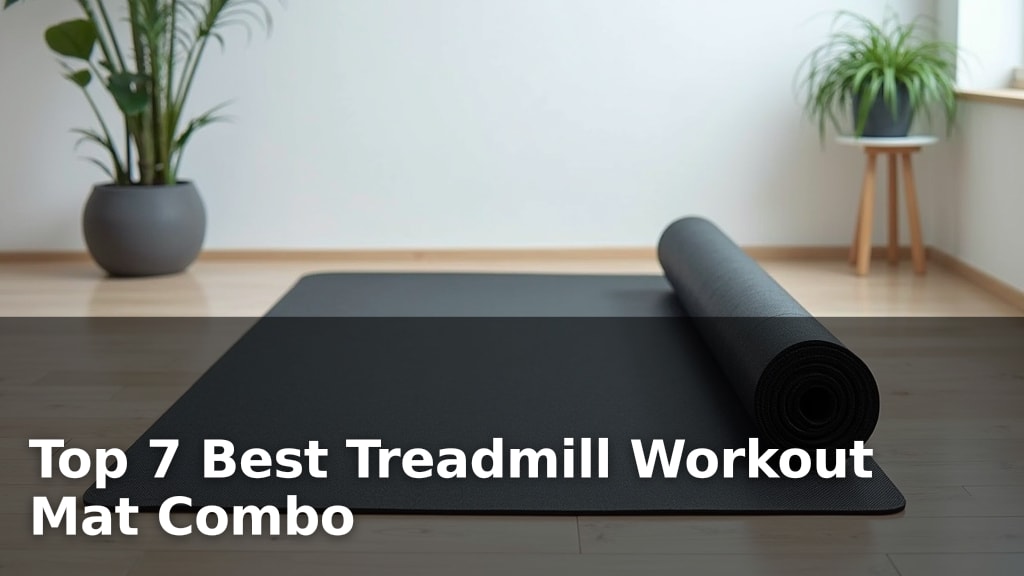
This is arguably the most effective step you can take. A good treadmill mat acts as a buffer between your machine and the floor. It absorbs vibrations and impact noise.
Look for mats made of dense rubber or high-density foam. Thickness matters here; a thicker mat will absorb more sound. We found that mats at least 1/4 to 1/2 inch thick are best.
For even greater noise reduction, consider a DIY sound-dampening platform. This involves building a small, elevated platform with multiple layers of materials like plywood, rubber mats, and even tennis balls or anti-vibration pads underneath (Soundproofing Company, LLC). This creates an air gap and multiple absorption layers.
Think of it like cushioning your steps with extra-thick socks versus just thin ones. The more cushion, the less impact.
| Noise Reduction Strategy | Effectiveness | Effort Level |
|---|---|---|
| High-Density Treadmill Mat | Good | Low (Buy & Place) |
| DIY Sound Platform | Excellent | Medium (Build) |
| Quality Treadmill Motor/Deck | Good | High (Purchase) |
| Strategic Placement | Moderate | Low (Plan) |
Mastering Your Treadmill Workout Routine for Apartment Living
Your workout habits can make a big difference in how much noise you generate. It’s not just about the equipment; it’s also about how you use it.
Adjusting Your Running Form
Are you a heavy heel striker? This can create significant impact noise. Try to adjust your form to a mid-foot strike. This distributes the impact more evenly and can be quieter. Plus, it’s often better for your joints (Harvard Health Publishing).
Focus on lighter, quicker steps rather than long, pounding strides. Imagine you’re trying to sneak up on someone; quiet steps are the goal.
Wearing appropriate running shoes with good cushioning also helps absorb impact. Old, worn-out shoes won’t do you or your neighbors any favors.
Timing Your Workouts Wisely
This is where common courtesy meets physics. Avoid running during “quiet hours” or when neighbors are most likely to be sleeping or relaxing. Early mornings, late evenings, or even during midday naps are prime times for noise complaints.
The sweet spot is usually during the day, like late morning or mid-afternoon, when most people are at work or out. Weekends can be trickier, so try to schedule your runs when you know your neighbors are less likely to be home.
What are your apartment’s official quiet hours? These are usually posted in your lease agreement or building rules. Adhere to them strictly.
Varying Your Workout Intensity
If high-speed running generates too much noise, consider mixing in other forms of cardio. Brisk walking or incline walking produces far less impact than running.
Can you get a great workout without sprinting? Absolutely! An intense incline walk can elevate your heart rate and challenge your muscles without the heavy footfalls of a full run.
You might even consider interval training with walking bursts instead of running. This allows you to still use your treadmill but with less continuous high-impact movement.
Communicating with Your Neighbors and Management
A little communication can prevent big problems. Don’t let your first interaction with a neighbor be a complaint.
Having a Proactive Conversation
Before you even unbox your treadmill, talk to your immediate neighbors. Introduce yourself and explain your plans. Ask them about their schedule and if there are any times that would be particularly bad for treadmill use.
For instance, “Hey, I’m thinking of getting a treadmill. I want to be really mindful of noise. Would 9 AM on weekdays be okay, or is that usually when your little one is napping?” This shows you care and are willing to compromise.
Open dialogue builds goodwill. Most people appreciate being considered, and it makes them more forgiving if a little noise does slip through.
Understanding Your Lease and Building Rules
Always review your lease agreement for any clauses about exercise equipment or noise. Some buildings have specific rules or even prohibit treadmills on upper floors.
If you’re unsure, ask your landlord or property manager. Getting clarification upfront can save you a lot of hassle later. Knowing the rules helps you stay compliant and avoid potential fines or even eviction notices.
A Quick Checklist for Treadmill Harmony
- Choose a quiet treadmill model with good cushioning.
- Use a thick, high-density treadmill mat for vibration absorption.
- Place your treadmill strategically, avoiding direct overhead placement.
- Adjust your running form to a lighter, mid-foot strike.
- Workout during off-peak hours, respecting quiet hours.
- Communicate proactively with your neighbors and management.
Conclusion
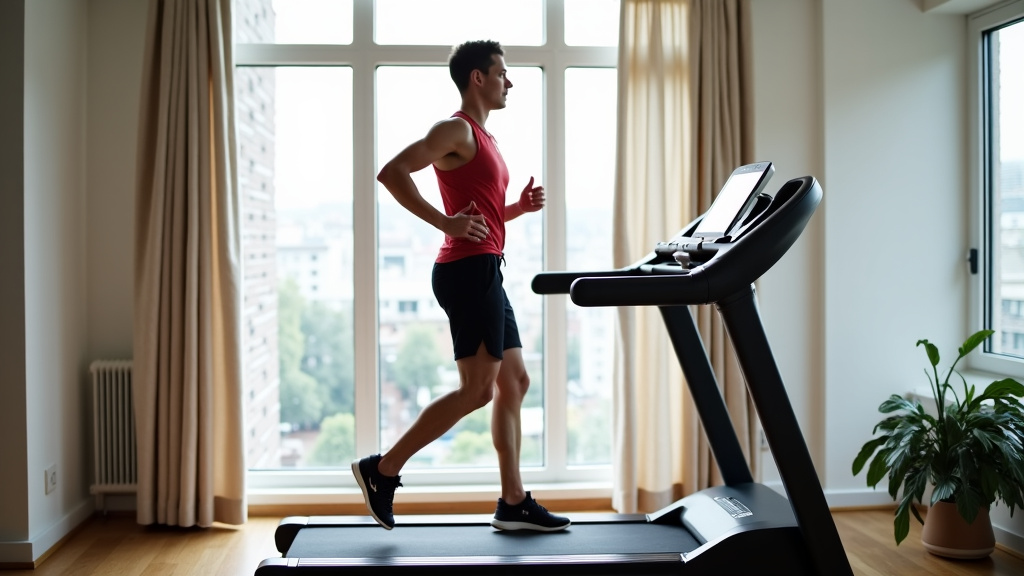
You can absolutely enjoy a treadmill in your apartment without becoming a nuisance. By choosing a quieter machine and using smart soundproofing, you’ll dramatically reduce noise. Strategic placement, mindful workout times, and open communication with neighbors are also key. Take these steps, and you’ll maintain your fitness routine while keeping the peace. Get ready to hit your stride!
Frequently Asked Questions
How much noise does a typical treadmill make in an apartment?
A standard treadmill can generate significant noise, mainly from footfall impact and motor hum. This sound travels easily through floors and walls, especially in older buildings. Proper soundproofing and a quiet model are essential for apartment living.
Can a treadmill damage my apartment floor?
While unlikely to cause structural damage, a heavy treadmill used directly on the floor can leave indentations or scuff marks. Always use a thick protective mat underneath. This protects your flooring and also helps absorb vibrations.
Are there specific treadmill brands known for being quiet?
Some brands design treadmills with quieter motors and enhanced cushioning for reduced noise. Look for models from NordicTrack, Sole Fitness, and Horizon Fitness, and always check user reviews for noise complaints before purchasing. Focus on the motor’s CHP and deck cushioning.
What if my downstairs neighbor still complains about the treadmill noise?
If complaints arise, first review your strategies for noise reduction. Double-check your mat, workout times, and running form. Then, open a respectful dialogue with your neighbor. You might even invite them to listen from their apartment while you run to identify specific problem areas, showing your commitment to a solution.
Is it better to place a treadmill on carpet or a hard floor for noise reduction?
Neither carpet nor a hard floor inherently silences a treadmill. However, a thick carpet can offer a slight advantage over a bare hard floor. Regardless, you’ll still need a high-density mat to absorb the significant impact and vibration. The mat does the heavy lifting for noise control.