What Is the Best Home Treadmill for Cardiac Rehab?
On this page (7 sections)
The best home treadmill for cardiac rehab is one that is stable, easy to use, and offers a variety of programs. Look for a machine with a powerful motor, comfortable cushioning, and clear display. Many people find that a treadmill with pre-set workout modes helps them stay engaged. Choosing the right treadmill can make a big difference in your recovery journey.
When recovering from heart issues, your doctor will likely recommend regular, low-impact exercise. A home treadmill provides a safe and controlled environment for this. It allows you to monitor your progress and adjust intensity as needed. We found that units with handrail support are often preferred for added security during workouts.
- Look for stability and ease of use.
- Consider treadmills with varied workout programs.
- Handrail support adds an extra layer of safety.
- Choose a machine with a clear display for easy monitoring.
- Consult your doctor for personalized recommendations.
Ready to find the perfect treadmill to support your cardiac recovery? Let’s walk through what to look for and some great options.
Choosing a Home Treadmill for Heart Health Recovery
When you’re focusing on recovering your heart health, finding the right treadmill is a big step. We know you want a machine that’s safe, effective, and makes your workouts as comfortable as possible. Many experts suggest that consistent, moderate exercise is key to a strong recovery (CDC). A home treadmill gives you the control to get that exercise right in your own space.
But what makes a treadmill truly “the best” for cardiac rehab? It’s a blend of features designed for your specific needs. You’ll want a machine that’s stable, easy to control, and offers variety. Let’s walk through the most important aspects to consider.
Key Features for Your Treadmill Workout
Motor Power and Belt Size: The Engine of Your Recovery
The motor is the heart of your treadmill, so to speak! For cardiac rehab, you’re typically looking for a steady, controlled pace rather than sprints. We found that motors between 2.5 and 3.0 CHP (Continuous Horsepower) are generally sufficient for walking and light jogging.
Why is this important? A good motor ensures the belt doesn’t slow down when you step on it. This creates a smooth and consistent experience, which is vital when you need to maintain a target heart rate. You won’t have to worry about the machine struggling to keep up.
When it comes to the belt size, longer and wider belts offer more comfort and safety. We recommend a belt surface of at least 20 inches wide and 55 inches long. This gives you plenty of room to walk or jog without feeling cramped. It reduces the risk of tripping and allows for a more natural stride.
Cushioning: Gentle on Your Joints
Your joints will thank you for good cushioning. Cardiac rehab often involves lower-impact exercises to reduce stress on your body. The treadmill deck absorbs much of the shock from your steps.
We found that treadmills with advanced cushioning systems feel noticeably softer underfoot. This can significantly reduce the impact on your knees, hips, and ankles. It’s like walking on a cloud, but a supportive one! Look for descriptions that mention specific shock absorption technology.
Speed and Incline: Gradual Progression
As your stamina and heart health improve, you’ll want to gradually increase the intensity of your workouts. A treadmill that offers a good range of speeds and inclines allows for this progression.
For walking and light jogging, a top speed of 10-12 mph is usually more than enough. More importantly, look for treadmills that can adjust incline easily. Starting with a 0% incline and gradually moving to 1-5% can make a big difference in your workout’s cardiovascular benefit. Many rehabilitation guidelines suggest increasing intensity gradually (Mayo Clinic).
Ease of Use and Safety First
Console Display: Clear and Simple
You need to be able to see your workout stats easily. A clear, easy-to-read console is essential. What should you look for?
- Large numbers for speed, time, distance, and heart rate.
- A simple layout that isn’t overwhelming.
- Backlit displays are great for visibility.
We found that models with quick-select buttons for speed and incline are very convenient. You can adjust your settings without taking your eyes off the path or fumbling with controls.
Handrails: Your Steady Support System
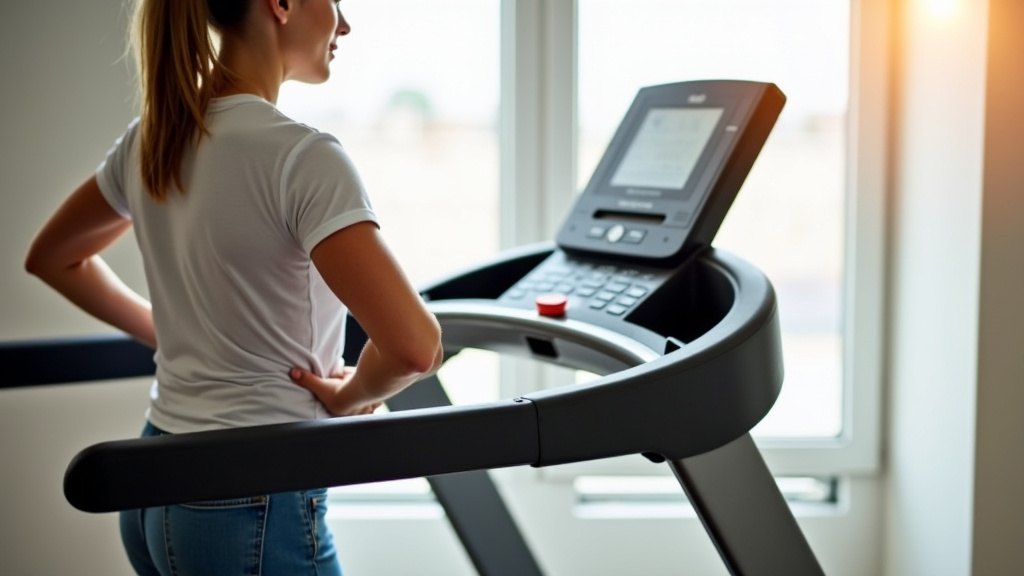
For cardiac rehab, handrails are not just a nice-to-have; they are often a safety essential. They provide stability, especially when you’re starting out or if you experience any dizziness or unsteadiness.
Look for full-length, sturdy handrails that offer a secure grip. Some treadmills have shorter grips, but longer ones allow you to maintain balance more effectively. We’ve found that padded handrails add an extra layer of comfort during longer walks.
Pre-Set Programs: Guided Workouts for Progress
Treadmills often come with built-in workout programs. These can be incredibly helpful for cardiac rehab. They offer structured routines designed to help you reach specific goals, like improving cardiovascular endurance.
Many programs simulate hills, intervals, or fat-burning zones. For recovery, programs that start slowly and gradually increase intensity, then cool down, are ideal. We found that having these pre-set options takes the guesswork out of planning your workout. It ensures you’re exercising at the right intensity for your stage of recovery.
Additional Considerations for Your Home Gym
Folding vs. Non-Folding: Space-Saving Solutions
Do you have limited space? A folding treadmill can be a lifesaver. Most folding models are designed to be sturdy when in use and fold up neatly for storage.
When considering a folding treadmill, check how easy it is to unfold and fold. Some have hydraulic assist systems, which make the process much smoother. We found that even folding treadmills can offer excellent stability.
Weight Capacity: Built to Last
Always check the treadmill’s maximum user weight capacity. It’s important to choose a machine that can safely support your weight. This also indicates the overall durability and sturdiness of the frame.
Warranty: Peace of Mind Included
A good warranty offers peace of mind. Look for treadmills that come with a solid warranty on the frame, motor, and parts. A longer warranty period, especially on the motor, suggests the manufacturer has confidence in their product’s longevity.
Making Your Choice: A Quick Checklist
To help you narrow down your options, here’s a quick checklist of what to prioritize:
- Stability: Does it feel solid when you walk or jog?
- Motor: Is it at least 2.5 CHP for smooth operation?
- Cushioning: Will it be gentle on your joints?
- Display: Is it clear and easy to read?
- Handrails: Are they full-length and secure?
- Programs: Does it offer variety and guided workouts?
Conclusion
Choosing the right treadmill for your cardiac rehab journey is a smart investment in your health. Remember to prioritize stability, a user-friendly console, and comfortable cushioning. A robust motor and reliable handrails will ensure your workouts are safe and effective. Look for machines with pre-set programs that allow for gradual progression. Your doctor’s advice is key in selecting the perfect machine. Take this information and find a treadmill that empowers your recovery right in your own home.
Frequently Asked Questions
How often should I use a treadmill for cardiac rehab?
Your doctor or cardiac rehab specialist will provide a personalized schedule. Generally, starting with short, frequent sessions is recommended. We’ve found that consistency is more important than duration when you’re beginning.
Can I use a treadmill if I have heart failure?
Yes, but only with explicit guidance from your cardiologist. They will help you set safe intensity levels and monitor your response. The right treadmill can be a great tool for managing heart failure symptoms.
What’s the difference between a gym treadmill and one for home cardiac rehab?
Home treadmills for rehab often have more focus on safety features like handrails and simpler, clearer displays. They are designed for controlled, consistent use rather than high-intensity workouts. We often see sturdier build quality on machines recommended for recovery.
How do I know if a treadmill’s cushioning is good enough?
Look for descriptions mentioning shock absorption technology. If possible, try to test the treadmill before buying. You should feel a noticeable softness underfoot that doesn’t feel too bouncy. We found that softer decks are better for reducing joint stress.
Is a folding treadmill suitable for cardiac rehab?
Absolutely. Many folding treadmills are designed for stability and durability. Just ensure the folding mechanism is easy to operate and secure. A good folding model can save space without compromising on your workout needs.