How to Choose a Bluetooth Clip On Pedometer
Choose a Bluetooth clip-on pedometer with a secure clip, clear step display and phone support that matches your device. Then decide whether syncing, battery life and hands-free wear matter more than extra health measurements.
On this page (9 sections)
- What should a Bluetooth clip-on pedometer do?
- How do you choose the right clip attachment?
- How important is phone syncing?
- Which display and controls are easiest to use?
- How does Bluetooth compare with a non-connected pedometer?
- What other health devices might you actually need?
- How should you set up a clip on pedometer with Bluetooth?
- Should you choose a clip-on model for treadmill walking?
- What is the final buying rule?
A clip on pedometer with Bluetooth is best chosen by matching 4 things: a secure attachment point, a readable step display, phone compatibility and the amount of data you actually want. Pick a simple connected counter if you mainly want daily steps, or choose a broader tracker only when its extra measurements support your routine.
Clip-on designs work well for people who dislike watches, rings or wrist bands. They can sit on a waistband, belt or pocket, but the device needs a stable position so it doesn't swing or fall during normal movement.
This style suits walkers who want step tracking without another strap on the wrist. It also suits people who change clothes often, work in uniforms, or prefer a device hidden under a layer during the day.
It may suit less well if your daily clothing has no firm waistband or pocket edge. Soft lounge trousers, dresses without a belt, and loose pockets can make placement harder to repeat from one day to the next.
Phone compatibility should be checked before you buy, not after the device arrives. Your phone, operating system and Bluetooth version all affect whether pairing and syncing will work smoothly in daily use.
Think about how you will use the number first. A quick check during a walk, a review in the evening, or a longer look at patterns over weeks will each point to a different balance of display and app features.
Battery habits matter too, especially if you travel or forget chargers. A model that fits your routine for charging or battery replacement is easier to keep wearing consistently.
The aim is a counter you will actually attach each morning. Consistency matters more than extra features you will rarely open on your phone.
Care is simple when the device is handled as a daily carry item. Keep it dry, avoid pulling at the clip, and check the attachment point for wear before it becomes loose.
What should a Bluetooth clip-on pedometer do?
A good Bluetooth clip-on pedometer should count steps, keep the device attached and make syncing easy when you want a phone record. Bluetooth is useful for moving data to an app, not for replacing secure placement or a clear display.
Before choosing, decide which of these jobs matter:
- Counting daily steps without wearing a watch
- Showing steps directly on the device
- Sending activity data to a phone
- Keeping a longer record of walking
- Tracking progress in a journal or app
- Staying small and discreet under normal clothing
Bluetooth can add convenience, but it can also add setup requirements. Your phone may need a compatible operating system, a companion app and Bluetooth enabled during syncing.
The best fitness tracker journal can help if you prefer writing down totals instead of checking an app throughout the day.
A phone record is most useful when you review totals in a regular rhythm. That rhythm might be a quick evening check, a weekly review, or a monthly look at whether your walking routine is holding up.
If you rarely open apps, the display on the device carries more of the work. In that case, simple controls and a total you can reset or read without pairing become more important than advanced charts.
Bluetooth also changes how you manage the device day to day. You may need to keep the phone charged, allow app permissions, and check that syncing has happened before you rely on the phone total.
Some walkers prefer a paper record because it feels calm and separate from notifications. Writing the total down can help you stay with the habit without opening an app each time.
Set-up should be tested in the place you will actually walk. Pair the device at home, then check the total after a short walk outside before you depend on it for a full day.
How do you choose the right clip attachment?
Choose the clip based on how you move and what you wear most often. A firm clip is more important than a decorative design because a pedometer cannot count useful data if it falls off or shifts constantly.
Look for a clip that can hold the device against a waistband, belt or sturdy pocket edge. Thin or loose fabric may allow more movement, which can affect step counting and make the device easier to lose.
Think about these daily situations:
- Sitting at a desk
- Walking up stairs
- Getting in and out of a car
- Changing clothes
- Exercising in loose clothing
- Wearing a coat or layered outfit
A waistband may offer the most stable placement for many walkers. A pocket can be convenient, but a loose pocket may let the counter move more than intended.
If you want to wear a tracker somewhere other than your waist, read our guide to the best fitness tracker for ankle before choosing an attachment style.
How important is phone syncing?
Phone syncing matters when you want to save activity history, review trends or combine walking data with other health information. If you only need a visible daily total, Bluetooth may be unnecessary.
Check whether the device supports your phone's operating system and whether its app requires a particular Bluetooth version. Also consider how often you want to sync.
A person who checks totals once each evening has different needs from someone who wants near-constant updates.
Bluetooth connections can make long-term tracking easier, but they may require account setup, permissions and occasional troubleshooting. Keep the device and phone reasonably close during the first pairing, and follow the app's instructions rather than repeatedly pairing from the phone's general Bluetooth menu.
For a simpler approach, compare our best fitness trackers without Bluetooth guide. If recurring app fees concern you, see the best fitness trackers without a subscription next.
Which display and controls are easiest to use?
Choose a pedometer with a display you can read at a glance if you want immediate feedback. A clear step total reduces the need to open your phone during a walk.
Consider the size and contrast of the numbers, the button layout and whether you can reset or review totals without opening an app. A simple interface is useful when the device is clipped under a shirt or reached with one hand.
You may prefer phone-first tracking if the pedometer has limited display information. In that case, confirm that the app presents the history in a way you understand, such as daily totals, weekly patterns or goal progress.
Do not choose a device only because it has more screens. Extra readings are helpful only when you plan to use them.
Large numbers help when you check the device while moving, wearing reading glasses, or standing in bright light. Small digits may be fine at a desk, yet harder to read on a winter walk when the device sits under layers.
Contrast matters as much as size for quick reading. A pale display in strong sun can lose detail, while a darker screen may be easier to scan during a short pause.
Button layout affects daily use more than it first seems. Fewer presses to see today's total, reset it, or check a past day will make the device feel faster to use.
If the pedometer sits under clothing, you may need to lift a layer to reach it. A design that is easy to find by touch, without pressing random buttons, will suit that habit better.
Phone-first tracking can work well for people who already check their phone often. It suits a routine where the evening review is the main moment for looking at progress, rather than during the walk itself.
Check what the app shows before you commit to that approach. Daily totals, weekly patterns, and goal views each suit different people, and a report that looks tidy is easier to keep using.
Extra readings can distract from the main reason for buying a step counter. Steps are the core job, and other measures only add value when they match a clear training or health goal.
Care for the display is simple but worth noting. Wiping it gently with a soft cloth keeps numbers readable, and avoiding harsh pressure on the screen helps protect the surface over time.
How does Bluetooth compare with a non-connected pedometer?
A Bluetooth model is better for automatic phone records and longer-term activity review. A non-connected pedometer is better when you want fewer setup steps, less dependence on an app and a quick number on the device.
The choice comes down to how you want to see your walking over time. Bluetooth suits a habit built around phone history, while a non-connected model suits a habit built around a quick look at the device itself.
Neither option is right for every routine. Pick the one that matches how often you check totals, how you prefer to record them, and how much setup you are willing to manage.
| Need | Bluetooth clip-on pedometer | Non-Bluetooth pedometer |
|---|---|---|
| Phone history | Usually a main reason to choose it | Usually requires manual recording |
| Setup | Pairing and app setup may be needed | Often simpler |
| Daily glance | Depends on the display | Often central to the design |
| Battery planning | Device and phone use both matter | Usually fewer connected demands |
| Privacy preference | More data may move to an app | Less connected activity tracking |
| Best fit | People who want digital trends | People who want simple step totals |
Your choice should follow your routine. If you already record walking in a phone app, Bluetooth can reduce manual work.
If you rarely review history, a basic counter may be easier to maintain.
What other health devices might you actually need?
A clip-on pedometer focuses on movement, while other devices measure different signals. Don't choose a product with extra health features unless those readings solve a specific need.
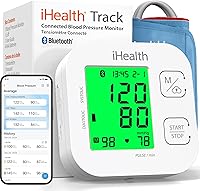
The iHealth Track Smart Upper Arm Blood Pressure Monitor with Wide-Range Cuff is not a pedometer. Its value is separate: it has a large multi-color backlit display, 4 AAA batteries included and smartphone management through iHealth's free iOS and Android applications, with iOS 12.0 or later, Android 9.0 or later and Bluetooth 4.0 or later required.
The Zacurate Pro Series 500DL Fingertip Pulse Oximeter Blood Oxygen Saturation Monitor with Silicone Cover, Batteries and Lanyard is designed for ages 12 and above. It displays SpO2 and pulse rate on an LED screen, includes 2 AAA batteries, a silicone cover and a lanyard, and has a 30-hour battery life.
The Polar Pro Chest Strap is a black M-XXL elasticized-fabric strap with a soft strap included. It works with Polar heart rate sensors, fitness trackers, smartwatches and gym equipment supporting Polar's technology.
You can compare the broader role of a heart rate monitor if walking is part of a structured workout. For treadmill sessions, our Best Bluetooth Treadmill guide covers equipment-side connectivity.
How should you set up a clip on pedometer with Bluetooth?
Start by reading the device instructions, charging or installing the required battery, and pairing it with the companion app if phone syncing is part of your plan. Wear it in the same stable position each day so your readings are easier to compare.
Use this setup sequence:
- Install the app from the appropriate phone store.
- Turn on Bluetooth and follow the app's pairing process.
- Enter only the settings the app requests.
- Clip the device to a firm waistband, belt or pocket.
- Walk normally for a short check.
- Confirm that the step total changes and that syncing works.
- Keep the device in the same position during regular use.
If the count seems unusual, first check attachment, orientation and whether the device is moving freely. Also check whether the app is showing today's total, a previous day or a delayed sync.
Keep batteries charged or replace them according to the instructions. Wipe the device with a soft, dry or lightly damp cloth only when the instructions allow it, and avoid pulling the clip during cleaning.
Should you choose a clip-on model for treadmill walking?
A clip-on model can suit treadmill walking when it stays firmly attached and your stride produces consistent motion. Placement matters because the device reads movement from its position, not from the treadmill's console.
Treadmill handrails can change how your arms and body move, so your pedometer and the treadmill may show different totals. Use one device consistently when comparing your own sessions.
Measure your walking plan by time, steps or distance, but don't assume every device will match the treadmill exactly. If your main concern is treadmill fit and room around the machine, read How to Choose the Right Treadmill Size?.
A firm waistband or belt usually gives the most repeatable position for indoor walking. Test it at your normal treadmill speed, including the start and stop, to see whether it shifts when you step on or off.
Your stride on a treadmill can differ from your stride outdoors. Shorter steps, holding the rails, or walking at a steady belt speed may all change how the device registers movement.
That does not make the reading useless for your own progress. It means you should compare treadmill sessions with other treadmill sessions, using the same clip position each time.
For outdoor walks, keep the same position if you want a fair sense of change over time. Moving the device between waist and pocket from day to day can make totals harder to interpret.
Plan care around treadmill use as well as outdoor use. Sweat, dust and belt vibration can loosen an attachment over time, so check the clip before each session.
If you walk on a treadmill in a gym, consider where the device will sit during clothing changes. A stable outfit for the session will help you keep the same placement without thinking about it.
Battery planning is worth a quick check before a longer indoor routine. A device that is ready at the start of the session will give you a cleaner record than one you charge halfway through the week.
What is the final buying rule?
Choose a clip on pedometer with Bluetooth when you want discreet step counting plus a phone record. Prioritize a secure clip and readable display first, then confirm phone compatibility and app needs.
Pick a non-connected tracker if you want simple totals without syncing. Choose another health device only when you need its specific measurement, such as blood pressure, SpO2 or heart rate.
The best fit is the one you can attach consistently and use without adding needless steps to your routine.
Start with the clothing you wear most days, because placement has to work there first. A clip that holds well on a belt or waistband is more useful than one that suits only occasional outfits.
Next, confirm the display can be read without slowing your walk. If you check totals often, a clear number on the device will save time compared with opening an app each time.
Then check phone support in detail, including operating system and Bluetooth requirements. That check protects you from a device that pairs poorly or needs an app you cannot use.
Think about battery habits before you decide. A model you can keep charged or supplied with batteries will stay in use, while a power-hungry option may end up in a drawer.
Keep care simple and regular from the start. Check the clip for wear, keep the device dry, and use the same position each day so your totals remain comparable.
Frequently asked questions
What is the best clip on pedometer with Bluetooth?
The best clip on pedometer with Bluetooth is the one that stays attached to your clothing, shows steps clearly and syncs with your phone or app as needed. Check the clip design, operating system support, Bluetooth requirements and battery method before choosing.
A simple step counter may suit you better than a device with unrelated health readings.
Can a Bluetooth pedometer work without a phone?
Many Bluetooth pedometers can collect movement data while your phone is elsewhere, but syncing usually requires the phone to be nearby later. Check how the device stores readings, how often it needs to sync and whether the companion app supports your phone.
If you don't want phone connections, compare non-Bluetooth trackers instead.
Where should you clip a pedometer?
Clip a pedometer to a stable part of your waistband, belt or pocket where it can stay upright during normal walking. Avoid loose fabric, bags that swing and locations that can be covered by thick layers.
Test the attachment during a typical day, then check that the device remains secure when you sit, stand and climb stairs.
Is a clip-on pedometer more accurate than a wrist tracker?
A clip-on pedometer may suit people who don't want to wear a device on the wrist, but accuracy depends on placement, walking style and the device's motion sensors. A wrist tracker can add arm movement data, while a clip-on model stays discreet.
Compare the wearing position you can use consistently rather than assuming one style is always better.