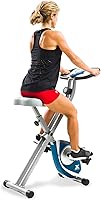
How to Choose a Commercial Recumbent Exercise Bike
Choose a commercial recumbent exercise bike by duty rating, seat fit, drive system and warranty first. A true commercial model handles repeated daily use, adjusts for different riders and uses serviceable parts. Screens and extras matter only after those basics fit your space and users.
On this page (11 sections)
- What does commercial grade mean on a recumbent exercise bike?
- How does seat position affect comfort on a recumbent bike?
- Which drive system suits shared gym use?
- How do you size a commercial recumbent bike for your floor?
- What should you check on console, power and connectivity?
- How do tablet mounts help on long recumbent rides?
- What warranty and service support should you expect?
- How long will a commercial recumbent bike last?
- How do you choose between air, spin and recumbent bikes?
- How do you set up and maintain a shared recumbent bike?
- Final choice for a commercial recumbent exercise bike
A commercial recumbent exercise bike should be chosen for shared daily use, not for one rider's short home routine. Duty rating, seat adjustment, service access and warranty tell you more than screen size or program count.
Start with the people who will use it. A gym, clinic, hotel or apartment building may serve riders from 5 ft to 6 ft 6 in, with different leg lengths, mobility needs and workout goals.
A bike that fits only the owner will sit idle for everyone else.
The products in this guide show two different ways to solve the cardio problem. The Schwinn Airdyne Bike Series is an upright air bike, not a recumbent model, so it works best as a contrast for wind resistance and shared gym use.
The two tablet mounts solve a smaller problem. They hold a phone or tablet for video and music, which matters on long low-intensity rides where riders need something to watch.
Our score weighs specs, features and buyer feedback against what you are shopping for. For this guide, recumbent fit, duty rating and service support matter more than added mounts, so the mounts are tools for comfort rather than the main purchase.
What does commercial grade mean on a recumbent exercise bike?
Commercial grade means the bike is built for repeated use by many riders, with parts and support that match that duty. Check the duty rating, maximum rider weight, frame construction, drive parts and warranty before you compare screens.
Home recumbent bikes can look similar in photos. The difference shows in daily use.
Commercial frames resist flex, seats adjust quickly, pedals and belts can be replaced and the maker provides manuals, parts lists and service contacts.
Ask the seller for the duty rating in plain terms. A rating for home use, light commercial use or full commercial use points to different expectations for hours per day, rider count and maintenance intervals.
Warranty terms need the same care. Read what the warranty covers, for how long and under what use.
A long frame warranty means little if wear parts, labour and shipping are not covered for shared use.
Rule: buy for the actual hours and rider count you expect, not for the word commercial in the name.
How does seat position affect comfort on a recumbent bike?
Seat position sets your reach, leg extension and ability to mount and dismount safely. A commercial recumbent exercise bike needs wide seat travel, clear height markings and a seat that locks firmly for each rider.
Recumbent bikes place the seat low and back, with pedals forward. That shape suits steady cardio and riders who prefer back support.
It also changes entry. Some riders step over the frame, while others need a lower step or a swivel seat.
Seat depth and width matter for shared use. A seat that fits one rider may press under the knees or leave another rider unsupported.
Test the full range if you can, and ask the seller for seat dimensions when you cannot.
Handlebar position matters too. Riders need grips or handles that help them steady themselves without pulling on the seat.
Check that pulse sensors, resistance controls and emergency stop features stay within reach from the riding position.
If swivel entry is a priority, compare the recumbent exercise bike with swivel seat guide before you choose. That design can help riders who struggle to swing a leg over a fixed frame.
Rule: choose the bike that every expected rider can mount, adjust and dismount without help.
Which drive system suits shared gym use?
A belt or magnetic drive suits most shared gym use because it runs quietly and needs less frequent adjustment. Chain and air resistance models can feel different, so match the drive to the workout style your users want.
Belt drives are common on recumbent bikes because they are quiet and smooth. They still need inspection and eventual replacement, but they avoid the oily feel of a chain.
Ask whether belts, pads and rollers are standard service parts.
Magnetic resistance uses a magnet to add load without physical contact. It gives smooth changes and quiet operation.
The electronics and power supply still need service access, so ask how the maker handles those parts.
Air resistance is a different trade-off. The Schwinn Airdyne Bike Series uses progressive wind resistance, a single-stage belt drive and a perimeter weighted fan.
Schwinn says the fan starts easily and gives a smooth ride, with resistance that rises as you pedal and push or pull the multi-position grips.
That Airdyne model is an upright bike, not a recumbent bike. It suits riders who want whole-body effort and infinite wind resistance.
It does not give the reclined support or step-through entry of a recumbent frame.
Rule: pick belt or magnetic resistance for quiet shared cardio, and air resistance only when riders want that wind-driven effort.
How do you size a commercial recumbent bike for your floor?
Size the bike for its full footprint, seat travel, entry space and service access, not just its stored length. Measure the floor and tape the outline before you order.
A recumbent bike is long. The seat slides back for tall riders, and the pedals sit forward of the seat.
In a row, each bike needs room for the rider's feet, a safe exit path and space for a staff member to walk behind.
The Airdyne example gives a useful warning about footprint. Schwinn lists it at 53 in deep, 26.5 in wide and 53 in high, with a weight of 51.3 kg.
That is an upright bike, but the numbers show why you must plan for movement space as well as the frame.
Check ceiling height near the bike, even though recumbent riders sit low. Check door widths for delivery, because a long frame may not pass through a standard door without removing parts.
Ask the seller whether the seat or console comes off for delivery.
Shared floors also need spacing between bikes. Riders should be able to mount without stepping into the next station.
Keep cables, mats and cleaning supplies clear of the entry path.
Rule: tape the full working footprint, including seat travel and exit space, before you commit to a row layout.
What should you check on console, power and connectivity?
Check the console for readable metrics, simple controls and a power source that suits your floor. Shared bikes fail in daily use when riders cannot start a workout without help.
A good shared console shows time, speed, distance, calories and resistance in large numbers. Heart rate options help some riders, but they should not be required to start pedalling.
Keep the start flow short and forgiving.
Power source matters for placement. Plug-in bikes need outlets and cable management.
Battery-powered models give you placement freedom but add battery checks to your maintenance routine. The Airdyne bike is battery powered for its console, which suits flexible placement indoors.
Connectivity can help gyms track use, but it can also add setup time. Ask whether the bike works fully without an app or account.
Riders who want a quick session should not need a phone, a password or a software update.
If a built-in screen is a must, read about a recumbent exercise bike with tv screen first. A larger screen can help with video and virtual routes, but it adds cost, cleaning needs and repair risk.
Rule: choose the simplest console that shows the metrics your riders actually use.
How do tablet mounts help on long recumbent rides?
Tablet mounts help on long, steady rides by holding video, music or workout instructions at eye level. They work best when the clamp fits your frame tube and the device size matches the holder.
The KDD mount fits phones and tablets from 4.7 to 13 in and clamps to tubes from 14 to 34 mm. KDD says it can mount to spin bikes, treadmills, ellipticals and stationary bikes.
The clamp uses PC, ABS, metal and rubber parts, with rubber pads to reduce scratching.
The Lamicall mount fits devices from 4.7 to 12.9 in and clamps to handlebar diameters from 14 to 34 mm. It uses a 360 degree ball joint for portrait, landscape or tilted viewing.
Lamicall lists a maximum weight capacity of 7.9 ounces, so check your device and case weight carefully.
Both mounts depend on a suitable tube. A recumbent bike with a plastic cover, a tapered frame or no accessible tube in range may not work.
Measure the tube before you order, and keep the mount clear of the console and moving parts.
For shared bikes, mounts raise hygiene and loss questions. Decide who owns the tablet, how it gets cleaned and where it is stored between rides.
A mount does not solve those policies by itself.
Rule: buy a mount only after you measure the tube and confirm your device and case fit the stated size range.
What warranty and service support should you expect?
Expect a clear warranty, manuals, parts lists and a named service contact before you buy for shared use. A commercial purchase needs support that matches the duty rating.
Read the warranty for parts, labour, wear items and exclusions. Ask whether pedals, belts, seats, consoles and batteries are covered, and for how long.
Ask who pays for shipping and whether service is done by the maker, a dealer or your own staff.
Keep the manuals and model numbers in one place. The Airdyne data notes that the owner's manual covers proper product care and aftersales contact information.
That habit applies to every bike. A model number and serial number make parts orders faster.
Serviceability also means cleaning. Sweat gets into seats, pedals, grips and consoles.
Choose materials you can wipe down and parts that can be removed without special tools where possible.
If you are comparing cycles with treadmills for a shared floor, read about the best commercial treadmill to balance cardio types. A recumbent bike and a treadmill serve different riders, and both need service planning.
Rule: do not buy a commercial bike until you know who services it, what parts cost and how long support lasts.
How long will a commercial recumbent bike last?
A commercial recumbent bike lasts as long as its frame, drive, electronics and service support are maintained for its rated duty. Usage hours matter more than calendar years.
Belts, pedals, seat pads, grips and batteries wear with use. Frames and drive housings last longer when they are kept clean and inspected.
Electronics can fail from heat, moisture or power issues, so placement and cleaning matter.
Do not copy lifespan claims from treadmills. The guide to how long commercial treadmills last covers belts and decks that recumbent bikes do not have.
Recumbent lifespan depends on drive wear, seat hardware and console condition.
Keep a simple log. Record cleaning, inspections, belt checks and repairs by serial number.
That log supports warranty claims and helps you spot a bike that needs more frequent service.
Also track rider complaints. A seat that feels fine at first can become a problem after months of shared use.
Replace worn pads and grips before riders start avoiding the bike.
Rule: budget for wear parts and service time from day one, not as an afterthought.
How do you choose between air, spin and recumbent bikes?
Choose by rider preference and workout goal, not by which bike looks most like a gym bike. Recumbent, spin and air bikes give different effort, posture and entry needs.
A recumbent bike suits steady cardio, back support and riders who prefer pedals forward. A spin bike suits standing efforts, rhythm-based classes and riders who want a more upright posture.
An air bike suits full-body work with arms and legs, with resistance that rises with effort.
The Airdyne model shows the air bike case clearly. It has wind resistance, multi-position grips, an adjustable seat and a console that tracks calories, watts, time, distance, speed, RPM and heart rate.
Schwinn lists a maximum weight recommendation of 348 lb and belt drive.
That does not make it a recumbent substitute. An air bike has no reclined seat or step-through frame.
Riders who need back support or easy entry may prefer a recumbent design.
If you are torn between air and spin styles, compare the air bike vs spin bike guide. If pedals that push forward for leg work are your priority, read about a recumbent exercise bike with push pedals.
Rule: match the bike shape to the riders and workouts you expect, then compare duty and service within that shape.
How do you set up and maintain a shared recumbent bike?
Set up each bike for the next rider with a quick seat check, a clean contact surface and a working console. Maintenance is part of the product, not an extra chore.
Start with placement. Keep the bike level, stable and clear of walkways.
Route power cables away from entry paths. Leave space for a rider to dismount without stepping backward into traffic.
Daily checks should cover seat lock, pedal straps, console power and obvious damage. Weekly checks can cover belt noise, loose bolts and grip wear.
Monthly checks can cover frame fasteners, cable condition and battery status where batteries are used.
Cleaning needs a routine. Wipe the seat, handles, pedals and console with products approved for those surfaces.
Do not soak electronics. Keep cleaning supplies near the bike so staff actually use them.
If you are still unsure which bike type fits your space, use our guide to which exercise bike should i buy. Then compare recumbent options in our roundup of the best recumbent exercise bike models.
Rule: if staff cannot clean, adjust and inspect the bike in a few minutes, the bike is too complex for shared use.
Final choice for a commercial recumbent exercise bike
Pick the bike that fits every rider, survives daily use and can be serviced without drama. Duty rating, seat adjustment, quiet drive and warranty do that work.
Screens, mounts and programs are extras.
Choose a recumbent model for steady supported cardio and easy shared use. Choose an air bike such as the Airdyne model only if your riders want wind resistance and full-body effort.
Add a tablet mount only when the tube and device sizes fit.
Measure your floor, confirm service support and test the seat range before you order. That order of steps protects your budget and keeps the bike in use.
Frequently asked questions
What makes a recumbent exercise bike commercial grade?
A commercial recumbent exercise bike uses a frame, drive and electronics built for repeated daily use by many riders. Look for a stated duty rating, serviceable wear parts, adjustable seat travel and a clear warranty.
Home models often share the shape but not the same load or service support.
Is a recumbent bike easier on knees than an upright bike?
Many riders find a reclined seat and forward pedals more comfortable for steady, low-impact cardio. Comfort still depends on seat position, pedal distance and leg extension.
If you have ongoing pain, get medical advice before starting a new exercise routine.
How much space does a commercial recumbent bike need?
Measure length, width, seat travel and the space behind the bike for entry and exit. Leave room for riders to move at the sides and for staff to service the unit.
Tape the footprint on the floor before you buy so tight rows do not become a problem.
Can I add a tablet holder to a recumbent exercise bike?
Often yes, if the handlebar or frame has a tube in the size range the mount fits. Check the clamp diameter and device size before ordering.
A holder helps riders follow video or music, but it should not block the console, emergency controls or safe mounting.