What to Look for When Buying Foam Rollers in Bulk
For foam roller bulk orders, buy a mix of lengths and densities matched to your room and your users: 12 in for travel and tight spots, 18 in for most shared use, and firmer high-density foam where rollers will see daily pressure. Count storage, cleaning and replacement before you order.
On this page (12 sections)
- How many foam rollers should you buy in bulk?
- What length is best for bulk foam roller orders?
- What density should a gym choose for shared rollers?
- Which foam material lasts longest in a busy gym?
- How do you compare foam roller sizes before a bulk buy?
- How should a studio store rollers bought in bulk?
- How often should a gym replace bulk foam rollers?
- What cleaning routine works for shared foam rollers?
- When should you add non-slip or textured rollers to a bulk order?
- Should you buy foam rollers or resistance bands for a studio?
- Which foam roller should a new client try first?
- What should gyms check before paying for a bulk foam roller order?
For foam roller bulk orders, buy a mix of lengths and densities matched to your room and your users: 12 in for travel and tight spots, 18 in for most shared use, and firmer high-density foam where rollers will see daily pressure.
Count storage and cleaning before you order, not after the boxes arrive.
A foam roller bulk buy works best when you plan like a small studio.
A home buyer can start with one roller and learn what feels right.
A studio must think in groups, timetables, and shared equipment.
You need enough rollers for a full class to start together.
You also need a place to store them without damage.
You need a simple rule for cleaning between users.
You need a clear rule for when a roller is too worn to keep.
Those four choices shape almost every bulk decision that follows.
Length comes first for many buyers, because length controls coverage and storage.
An 18 in roller suits calves, thighs, hamstrings, and upper back for most people.
A 12 in roller suits travel, small corners, and shorter muscles.
A 36 in roller covers more at once, but it needs clear floor space.
Density comes next, because density controls pressure and how well foam holds shape.
High-density foam suits shared use where rollers see daily pressure.
Softer foam can suit beginners and sensitive areas.
A mixed order gives new and experienced users a fair choice.
Material matters for cleaning and daily handling.
Firm polypropylene and expanded polypropylene wipe quickly and resist water.
Light weight helps staff carry several rollers into a class area.
Heavy gear slows setup, even when each item seems light alone.
This guide compares length, density, material, weight, and cleaning needs.
It shows how each choice plays out in a busy room.
It also shows where a massage gun can help recovery work.
That tool can support recovery without replacing rollers for every client.
Some users want powered pressure on tight spots.
Other users prefer slow rolling for balance, stretching, and body awareness.
A smart bulk plan keeps both options in mind.
It does not need to buy every tool for every session.
It needs the right rollers, in the right numbers, for the busiest hour.
Start by counting your largest group, then add spares.
Measure your storage space before you fix the mix.
Plan cleaning supplies at the rack, not in a back room.
Those early checks make a bulk order feel simple when delivery day comes.
How many foam rollers should you buy in bulk?
Buy enough rollers for your busiest session, plus spares for cleaning. A class of 12 people needs more than 12 rollers if you want every person to start at the same time.
Start with one roller per person for the largest group you run. Add 15 to 25 percent more for spares, replacements and people who prefer their own roller.
A home gym buying in bulk may need only 2 to 4 rollers, because use is spread out. A studio with back-to-back classes needs a larger pool, because staff still must clean rollers between groups.
Think about who uses the rollers too. Clients often stay with a roller they like, so a few extra units stop a session from slowing down.
The Amazon Basics model is sold as a single item at 18 x 6 x 6 inches. That size is easy to count when you plan a shared pool, because each unit takes the same floor and bin space.
Rule: order for peak use plus spares, not for an average day.
What length is best for bulk foam roller orders?
Choose 18 in as the main length for most gyms and studios, because it balances coverage, storage and price. It works for calves, thighs, hamstrings and upper back without needing a full 36 in roller.
12 in rollers suit travel, small corners and targeted work on smaller groups of muscles. They also fit better in a bin, a cupboard or a staff bag.
36 in rollers cover more of the back and legs at once, but they need more floor space and can be harder to store in a small room. A studio with long benches or a wide recovery area can use them well.
Length also changes how a roller feels during balance work. A longer, wider roller can feel steadier for some exercises, while a shorter roller is easier to move and reposition.
For a soft option for sensitive areas, see our best soft density foam roller guide before you set the mix.
Rule: make 18 in the default, add 12 in for tight spaces, and buy 36 in only if storage allows.
What density should a gym choose for shared rollers?
Choose high-density foam for most shared rollers, because it holds shape under repeated body weight and daily use. Firm foam gives deeper pressure, which experienced users often prefer.
Soft foam can suit beginners, people who want gentler pressure and work on sensitive areas. The trade-off is that soft foam may dent, compress or lose its shape sooner in a busy gym.
Medium foam sits between those two options. It can suit a mixed group, but a bulk order with only medium rollers may leave some users wanting more or less pressure.
Buy mostly firm rollers for a commercial setting. Add a smaller number of soft rollers so new clients can start with less pressure.
Our foam roller medium guide helps if you want to split an order between firm and medium options.
Rule: buy firm for shared daily use, and add soft rollers for beginners.
Which foam material lasts longest in a busy gym?
Choose high-density polypropylene or expanded polypropylene for bulk gym use, because both are firm, light and easy to wipe clean. These materials hold shape well under pressure and resist water during cleaning.
Polypropylene rollers often have molded edges, which can feel more comfortable during rolling. Expanded polypropylene, also called EPP, is also water resistant and hygienic for shared use.
Foam material affects cleaning as well as feel. A smooth, closed surface wipes down faster than a rough or porous surface, which matters when staff clean rollers between sessions.
Weight matters too. Light rollers are easier for staff to move, stack and carry to a class area.
Heavy rollers can be harder to move in bulk, even if each unit seems light on its own.
The Amazon Basics roller uses firm polypropylene and weighs 0.27 kg. That light weight helps staff carry several rollers to a class without strain.
Rule: pick a firm, water-resistant foam that staff can wipe clean in seconds.
How do you compare foam roller sizes before a bulk buy?
Compare rollers by length, diameter, weight and storage space, not by price alone. A roller that is 6 in across and 18 in long takes up very different space from a 36 in model.
Measure the room before you order. Mark where rollers will live, where classes will run and where staff will carry them.
A 6 in diameter is common for full-body rolling, because it gives broad contact under the back, calves and thighs. Smaller diameters can give more focused pressure, but they may feel less stable for balance work.
Check the pack count as well. One roller per box is simple for a home gym, but a studio may need a clear count of units, colors and sizes.
ProsourceFit offers 12 in, 18 in, 24 in and 36 in lengths in its high-density range, all at 6 in across. That range makes it easier to buy one brand in several lengths for a studio.
Rule: measure storage first, then choose lengths that fit the room.
How should a studio store rollers bought in bulk?
Store bulk rollers upright in a bin, rack or open corner where staff can reach them fast. Upright storage saves floor space and makes it easier to see dents or dirt.
Avoid stacking rollers under heavy items. Pressure from storage can dent foam before the roller is even used.
Keep rollers away from direct heat, sharp edges and damp floors. Heat can change foam feel, while damp storage can make cleaning harder.
Label soft and firm rollers if you buy both. Clear labels help clients choose the right pressure and help staff clean and rotate stock.
A 12 in roller fits in smaller bins and cupboards than an 18 in or 36 in roller. That small size can help a studio keep travel rollers separate from class rollers.
How to set up a storage corner
Use one bin for 18 in class rollers and a smaller bin for 12 in travel rollers. Keep the bins on a dry floor, not against a damp wall.
Place cleaning wipes at the front of the bin, so staff can wipe a roller as they return it. This small step stops clean and used rollers from mixing during a busy day.
Rule: store rollers upright, labeled, and away from heat and damp.
How often should a gym replace bulk foam rollers?
Replace a roller when it no longer springs back, dents stay in the foam, or the surface looks worn. A firm roller should keep its shape under normal pressure.
Check shared rollers each month. Look for flat spots, cracks, deep dents and areas that feel softer than the rest of the roller.
Retire rollers that feel uneven during rolling. An uneven surface can change pressure in ways that surprise clients.
Keep a replacement budget in the bulk plan. Even durable rollers wear out faster in a busy studio than at home.
ProsourceFit states a 300 lb maximum weight capacity for its high-density foam roller. That limit is a useful check when you set user weight guidance for shared rollers.
Rule: retire a roller when dents, flat spots or soft patches change how it feels.
What cleaning routine works for shared foam rollers?
Clean shared rollers after each user with a quick wipe, and deep clean them on a set schedule. A fast routine is more likely to happen in a busy gym.
Wipe the surface with a cloth and a mild cleanser, then let the roller dry before storage. Avoid soaking foam unless the brand allows it.
Check color and surface after cleaning. Dirt, scuffs and dents are easier to spot on a clean roller.
Keep cleaning supplies near storage. Staff are more likely to clean rollers if wipes, spray and cloths are within reach.
The Amazon Basics roller wipes clean easily, which helps staff turn rollers around between clients. EPP rollers are also water resistant, which helps with routine cleaning.
Learn the basic moves in our how to use exercise foam roller guide, so clients use shared rollers in a safe, steady way.
Rule: wipe after each use, dry fully, and keep cleaning supplies at the rack.
When should you add non-slip or textured rollers to a bulk order?
Add non-slip or textured rollers for clients who need more grip during balance and core work. Texture can help a roller stay in place on a smooth floor.
A non-slip surface is most useful for Pilates-style work, balance drills and exercises where the roller may slide. It can also help staff feel more control when they move rollers into position.
Textured rollers are not needed for every user. Smooth rollers are easier to wipe clean and may suit a studio that values fast cleaning between classes.
Buy a small share of textured or non-slip rollers, rather than making them the whole order. That mix gives trainers options without slowing cleaning.
Our best non slip foam roller guide helps you compare grip and surface options before you add them to a bulk list.
Rule: add textured or non-slip rollers for balance work, not as the only type.
Should you buy foam rollers or resistance bands for a studio?
Buy both rollers and bands if your clients do group strength and recovery sessions. Rollers help with muscle rolling and stretching, while bands help with leg, glute and core work.
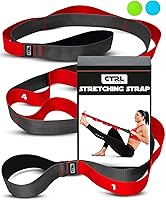
Resistance bands are light, stack well and take less storage than rollers. They also suit travel, home workouts and warm-up routines.
Rollers take more space but serve a different purpose. They support balance, strengthening and flexibility exercises, and they help clients work on calves, thighs, back and glutes.
The Renoj set includes 3 fabric bands, with a carry bag and a total item weight of 12.7 oz. Fabric bands can stay in place during leg and glute work, which helps in group sessions.
Our foam roller vs resistance bands guide compares the two tools by use, storage and cost.
Rule: buy rollers for recovery and balance, and add bands for light strength work.
Which foam roller should a new client try first?
Start new clients on a firm 18 in roller for most full-body work, or a soft roller for gentler pressure.
Firm foam suits experienced users who want stronger pressure.
Soft foam can feel easier at first for new users.
An 18 in length covers common areas without feeling too long to move.
It works for calves, thighs, and upper back in one session.
Short rollers work well for targeted areas and travel.
A 12 in roller is easier to carry and store in a small space.
It suits smaller muscle groups and quick stretching away from home.
Longer rollers cover more of the back and legs at once.
That extra coverage can save time during a guided session.
It can also need more floor space around the mat.
Many new clients do best with a steady, simple setup.
A firm roller gives clear feedback through the body.
A soft roller gives lower pressure when firm feels too much.
Trainers can ask about comfort after the first few minutes.
That short check helps the next session feel easier and safer.
A wooden foot roller is a different tool for feet.
It should not replace a full-body foam roller in a gym order.
Our best wooden foot massage roller guide covers that separate use.
For general exercise use, our best foam roller for exercise guide compares options for clients who want one roller at home.
A home roller faces lighter use than a studio roller.
Still, length and firmness shape comfort from the first week.
Rule: start most clients with 18 in, and offer soft rollers for gentler pressure.
What should gyms check before paying for a bulk foam roller order?
Check length, density, material, weight, storage size and cleaning needs before you pay. A bulk order is cheaper per roller, but only if the rollers fit your room and your clients.
Make a short list for each size you plan to buy. Note how many you need, where they will live, how staff will clean them and when they will be replaced.
Compare one or two brands across the same length. That check shows how weight, surface and firmness differ at the same size.
Keep the order simple at first. A clear mix of 18 in firm rollers, a few 12 in rollers and a small number of soft rollers covers most studio needs.
Foam roller bulk buying works best when storage and cleaning are part of the decision from the start. Buy for peak use, label the mix, and replace worn rollers before clients feel the difference.
Frequently asked questions
What size foam roller should a gym buy in bulk?
Buy 18 in rollers as the main shared size, because they cover calves, thighs and upper back without taking as much floor space as 36 in models. Add 12 in rollers for travel, stretching corners and smaller muscle groups.
Check your rack or bin size before you fix the mix.
How many foam rollers does a small gym need?
Start with one roller for every two to three class members, then add a few spare rollers for cleaning and replacement. A small studio running group sessions often needs more rollers than a home gym, because use peaks at the same time.
Track dents and soft spots each month.
Is high density better for a foam roller bulk order?
High density is usually better for shared gym use, because the roller keeps its shape under repeated pressure and gives firmer pressure for experienced users. Softer rollers can suit beginners and sensitive areas, but they may dent sooner in a busy studio.
Buy mostly firm rollers and a few soft ones.
How should a gym store foam rollers in bulk?
Store bulk rollers upright in a bin, rack or corner where air can reach them and staff can see wear quickly. Keep them away from direct heat, sharp edges and damp floors, and wipe them clean between users.
Label firm and soft rollers so clients pick the right pressure.