9 Best Soft Foam Rollers (November 2026)
The best soft density foam rollers include the Amazon Basics High-Density Foam Roller for Exercise for firm balance work, the OPTP PRO-Roller Soft Density Foam Roller for gentle self-massage, and the Amazon Basics High Density Foam Roller for longer firm rolling.
On this page (9 sections)
- Our top soft and firm foam roller picks for different needs
- How we compared these soft foam rollers
- What is the best soft density foam roller for sensitive users?
- How do you use a soft foam roller for exercise and recovery?
- Which length and diameter should you buy?
- Soft roller or firm roller: which is better?
- How do you clean and store a soft foam roller?
- Can a soft foam roller fit a low-impact routine?
- Our verdict on the best soft density foam roller
The best soft density foam roller for most beginners is the OPTP PRO-Roller Soft Density Foam Roller, because its 18 x 6 inch soft EVA foam gives gentle pressure in a portable size. A soft roller matters most when firm foam feels too intense, or when you want comfort for balance, mobility and light massage work.
If you are weighing recovery tools against strength gear, compare foam rollers and resistance bands.
Soft density does not mean useless density. It means the foam compresses more under your weight, so pressure spreads across a wider area instead of digging into one trigger point.
That trade-off suits sensitive users, older adults, beginners and anyone testing rolling for the first time.
Our score weighs specs, features and buyer feedback against what you're shopping for. We compared size, foam type, diameter and shape, then matched each roller to the job it does best.
We checked the specs, we looked at dimensions, and we used only facts from each product's title and data.
Our picks at a glance
-
1
 Best for firm balance work
Amazon Basics High-Density Foam Roller for Exercise
9.7/10 our score
See it on Amazon -
2
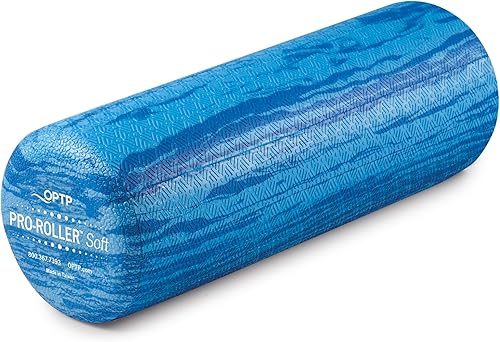 Best for gentle self-massage
OPTP PRO-Roller Soft Density Foam Roller
9.6/10 our score
See it on Amazon -
3
 Best for longer firm rolling
Amazon Basics High Density Foam Roller
9.5/10 our score
See it on Amazon
- 4
 Check it
Rolling With It High Density Foam Roller
Best for firm EVA recovery - 5
 Check it
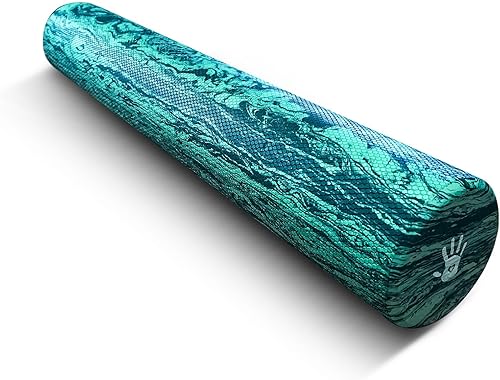
SENSORY4U Soft Density Foam Roller 36 x
Best for long soft rolling - 6
 Check it
TriggerPoint Grid 1.0 Foam Roller
Best for textured pressure - 7
 Best for contoured back supportCheck it
- 8
 Check it
TriggerPoint CORE Foam Massage Roller with Softer
Best for softer textured compression - 9
 Check it
Melt 36-Inch Soft Foam Roller Myofascial Release
Best for gentle fascia work
Our top soft and firm foam roller picks for different needs
The top pick here is firm, and that is intentional. A firm roller scores high for balance and strengthening work, while the soft picks win on comfort.
Choose by feel first, then by length and diameter.
Amazon Basics High-Density Foam Roller for Exercise: Best for firm balance work
- 18 x 6 x 6 inches
- High-density polypropylene
- Molded edges
- Black
A firm 18-inch polypropylene roller for balance, strengthening and flexibility exercises, with molded edges and a shape that holds up to repeated use.
Pros
- Firm support for balance work
- Molded edges add comfort
- Wipes clean easily
Cons
- Firm, not soft
- Shorter length limits full back coverage
This Amazon Basics roller suits class-based balance, strengthening and flexibility work more than gentle massage. Its 18 x 6 x 6 inch polypropylene body stays firm under load, so you can use it as a stable base for controlled movement.
Molded edges add a small comfort benefit when you roll or place a hand near the edge. The foam wipes clean easily, which helps in a shared studio or home gym.
At 18 inches, it covers calves, hamstrings and smaller leg areas well. It does not support the full back in one pass, and the firm feel is the main trade-off against soft density rollers.
Choose it if you want a firm, durable roller for exercise classes. Skip it if your goal is low-pressure rolling for sore or sensitive muscles, and look instead at the soft picks below.
OPTP PRO-Roller Soft Density Foam Roller: Best for gentle self-massage
- 18 x 6 inches
- Soft density EVA closed-cell foam
- Blue
- Textured grip
A short soft EVA roller for gentle massage, Pilates, yoga, balance and rehab-style exercises, in a compact size that carries in a bag.
Pros
- Soft density suits beginners
- Closed-cell EVA wipes clean
- Compact and portable
Cons
- Short length for full-body rolling
- Less pressure for deep tissue work
The OPTP PRO-Roller Soft Density suits beginners, clinic-style rehab routines, Pilates, yoga and gentle self-massage. Its soft EVA closed-cell foam compresses under pressure, so rolling feels more comfortable than a firm roller.
At 18 x 6 inches, it targets adductors, hamstrings, quads and the back when lying supine. The shorter length also makes it easy to carry in a bag to the gym or studio.
Closed-cell EVA wipes clean with a damp cloth and mild detergent. OPTP says the heat-molded foam stands up to heavy, repeated use in gym and studio settings.
The trade-off is length. A 36-inch roller covers more of the back and legs at once.
This short roller wins for portability and targeted work, and loses for full-body rolling. For another targeted recovery tool, compare roller sticks and foam rollers.
Amazon Basics High Density Foam Roller: Best for longer firm rolling
- 24 x 6 x 6 inches
- High-density polypropylene
- Blue Speckled
- Molded edges
A longer firm polypropylene roller for balance, strengthening and flexibility work, with the same molded-edge design in a 24-inch length.
Pros
- Extra length for legs and back
- Firm shape holds well
- Light to carry to class
Cons
- Firm rather than soft
- 24 inches still shorter than 36-inch rollers
This Amazon Basics roller suits buyers who want firm support with a little more length than an 18-inch model. Its 24 x 6 x 6 inch size covers more of the legs and back than the shorter Amazon Basics pick.
Like the 18-inch version, it uses firm polypropylene with molded edges. That construction suits balance, strengthening and flexibility exercises where stability matters.
It is light to carry to class and easy to reposition during a workout. The foam wipes clean easily, which helps with regular studio use.
The trade-off is firmness. This is a high-density roller, not a soft low density foam roller.
If firm pressure feels harsh on sore muscles, a soft EVA or MELT roller will feel more comfortable for massage work.
Rolling With It High Density Foam Roller: Best for firm EVA recovery
- 18 x 6 inch size
- High-density EVA foam
- Firm core with soft-touch exterior
- Blue
A firm EVA roller with a smooth surface and soft-touch exterior, sized for hamstrings, IT band and calves in an 18 x 6 inch format.
Pros
- EVA resists flaking and chipping
- Smooth surface for broad rolling
- Keeps its shape
Cons
- High density, not low density
- Short 18-inch length
Rolling With It suits users who want a firm EVA roller with a smooth surface. Its 18 x 6 inch EVA foam has a firm core with a soft-to-the-touch exterior, so broad areas roll without a textured pattern.
The size works well for hamstrings, IT band and calves, where a short roller can target one area at a time. EVA construction resists flaking, chipping and shape loss in daily use.
Rolling With It says the EVA is recyclable and contains no formamide or phthalates. The smooth surface also wipes clean and feels consistent across the whole roller.
The trade-off is density. This is a high-density pick, so it presses harder than soft density rollers.
Choose it for firm recovery work, and choose a soft roller if you are sensitive or new to rolling.
SENSORY4U Soft Density Foam Roller 36 x: Best for long soft rolling
- 36 x 6 inches
- Soft density foam
- Closed-cell, non-porous foam
- 1.43 pounds
A long 36 x 6 inch soft roller for back, hamstrings, quads, calves, IT band and glutes, with gentle compression for sensitive muscles.
Pros
- Long length supports full body
- Low-intensity compression
- Non-porous surface wipes clean
Cons
- Long length is less portable
- Gentle pressure may feel too light for some
SENSORY4U suits beginners, sensitive users and anyone who finds standard rollers too firm. Its 36 x 6 inch soft density foam delivers low-intensity compression across the back, hamstrings, quads, calves, IT band and glutes.
The long length supports full-body rolling in fewer passes. That helps when you want to cover large areas without moving the roller as often.
The foam is closed-cell and non-porous, so it resists moisture and sweat absorption. It wipes clean quickly, which suits home, studio or clinic use.
The trade-off is portability. At 36 inches and 1.43 pounds, it is harder to carry than an 18-inch roller.
Gentle pressure may also feel too light if you prefer deeper tissue work.
TriggerPoint Grid 1.0 Foam Roller: Best for textured pressure
- 13 inch length
- Multi-density GRID surface
- EVA foam wrapped hollow core
- Distrodensity Zones
A short textured roller with ridges and nodules for targeted pressure on tight muscles, rather than smooth soft-density rolling.
Pros
- Textured surface targets knots
- Durable EVA holds shape
- Compact for travel
Cons
- Firmer than a soft roller
- Short length and textured feel
TriggerPoint Grid 1.0 suits users who want textured, targeted pressure rather than smooth soft rolling. Its multi-density GRID surface uses ridges and nodules to create varying pressure as you roll.
The EVA-foam-wrapped hollow core is firmer than traditional foam rollers. That firmness gives a deeper compression on tight muscles, knots and kinks.
At 13 inches long, it is compact and easy to store or carry. The textured surface can reach smaller areas that a smooth roller may miss.
The trade-off is comfort. It is not a soft low density foam roller, and the texture can feel intense on sore tissue.
Choose it for targeted deep work, and choose a smooth soft roller for gentle full-body rolling.
Rollga LITE: Best for contoured back support
- 17.5 x 6 x 6 inches
- Soft density, 20% softer than Rollga standard
- Ergonomic contoured design
- 6.7 ounces
A contoured soft roller shaped to support the spine and shoulder blades while targeting pressure points, made for beginners new to rolling.
Pros
- Contoured shape for the back
- Lighter version for beginners
- Lightweight and portable
Cons
- Shape suits some areas more than others
- Short length for full-body rolling
Rollga LITE suits beginners and users who want a contoured shape for the back. It is 20% softer than the Rollga standard version, so pressure feels gentler than a firm roller.
The contoured design supports the spine and shoulder blades while targeting pressure points. See our foam rollers for back pain for more back-focused options.
That shape can feel more focused on the upper and lower back than a plain cylinder.
At 17.5 x 6 x 6 inches and 6.7 ounces, it is light and easy to carry to the gym or travel with. Rollga says it suits yoga, Pilates and physical therapy routines.
The trade-off is versatility. A contoured shape helps the back, but a plain 36-inch cylinder covers legs and glutes more easily.
Choose Rollga LITE for back-focused soft rolling, and a long cylinder for full-body work.
TriggerPoint CORE Foam Massage Roller with Softer: Best for softer textured compression
- 12 x 4 x 4 inches
- Soft firmness
- Solid-core EVA foam
- Multi-density grid pattern
A small soft solid-core EVA roller with a multi-density grid pattern for targeted compression, in a 12-inch length for most muscle groups.
Pros
- Soft with targeted texture
- Solid core resists breakdown
- Small and easy to store
Cons
- Narrow 4-inch diameter
- Short length for broad coverage
TriggerPoint CORE suits users who want softer compression with some texture. Its soft firmness and solid-core EVA foam give a gentler feel than a firm roller, while the grid pattern adds targeted pressure.
At 12 x 4 x 4 inches, it is one of the smallest rollers here. That size suits smaller muscle groups and easy storage, and works well for travel or a gym bag.
The solid core resists breakdown better than standard polypropylene rollers that can soften over time. TriggerPoint lists the 12-inch length as suitable for most muscle groups.
The trade-off is coverage. A 4-inch diameter and 12-inch length limit broad back and leg rolling.
Choose it for compact, softer textured work, and choose a 36-inch soft roller for full-body coverage.
Melt 36-Inch Soft Foam Roller Myofascial Release: Best for gentle fascia work
- 36 x 5 inches
- Medium-soft density
- Closed-cell foam
- Supports up to 300 lb
A long medium-soft roller for fascia-focused self-care, with instructional videos for Rebalance, Release and Rehydrate sequences.
Pros
- Long 36-inch length
- Medium-soft gentle compression
- Instructional videos included
Cons
- Narrower 5-inch diameter
- Long length is less portable
MELT suits beginners, older adults and sensitive users who want gentle fascia-focused rolling. Its medium-soft density mimics the touch of a practitioner, with supportive pressure that reduces stiffness without harsh discomfort.
At 36 x 5 inches, it is a long roller for the neck, shoulders, back and hips, with a narrower diameter than 6-inch rollers. MELT says it supports up to 300 lb.
The closed-cell foam resists moisture and cleans easily. MELT also includes access to instructional videos for Rebalance, Release and Rehydrate sequences.
The trade-off is diameter and length. A 5-inch diameter gives less support under the back than a 6-inch roller, and 36 inches is less portable.
Choose MELT for gentle, guided fascia work at home.
How we compared these soft foam rollers
We compared size, diameter, foam type and firmness first, because those specs decide how pressure feels. A 6-inch diameter supports the body differently than a 4-inch or 5-inch roller.
We also separated soft density rollers from firm rollers, even when both appear in a soft-focused guide. Firm rollers can be useful for balance and strengthening, but they solve a different problem.
Length mattered for coverage and storage. An 18-inch roller carries easily, while a 36-inch roller covers the back and legs in fewer passes.
Our best long soft foam roller guide covers the long-length options in more detail.
Material mattered for cleaning and durability. Closed-cell EVA and non-porous foam wipe clean more easily than open-cell foam.
Polypropylene rollers hold a firm shape for balance work.
How length, diameter and foam changed the ranking
Length changed the ranking because a 36-inch roller removes the need to reposition it across the back, hamstrings and quads. Diameter changed the ranking because a 6-inch cylinder feels broader and more stable than a 4-inch CORE model or a 5-inch MELT model.
Foam type changed the ranking because closed-cell EVA, polypropylene and open-cell fascia foam each respond differently to body weight and repeat use. A firm polypropylene roller holds shape for balance drills, while soft closed-cell EVA compresses for massage and wipes clean after sweat.
We also weighed shape, since a smooth cylinder rolls evenly across large areas, while the Rollga LITE contour and TriggerPoint grid patterns focus pressure in specific spots. That distinction explains why some textured or contoured options rank below smooth soft rollers for beginners, even when their specs look similar on size alone.
What is the best soft density foam roller for sensitive users?
The best soft density foam roller for sensitive users is a long or short roller with soft EVA or medium-soft foam, because pressure spreads gently instead of focusing on one spot. Sensitive users often do better with a 6-inch diameter, since it gives more surface area under the body.
Start with light pressure and short sessions. You can add pressure later by shifting more weight onto the roller, rather than starting with a firm model.
Soft density foam roller options for beginners
Beginners should look for words like soft density, medium-soft, or softer compression in the product name. Those terms signal lower pressure than high-density or firm rollers.
The OPTP PRO-Roller Soft Density and the SENSORY4U 36 x 6 inch model both fit that pattern. The first is short and portable, while the second covers more area in one roll.
Low density foam roller options for sore muscles
A low density foam roller can feel more comfortable when muscles are sore after a workout. Firm foam may make you brace or hold your breath, which makes rolling less relaxed.
If soreness is your main concern, avoid textured rollers at first. Smooth soft foam gives you more control over pressure.
How do you use a soft foam roller for exercise and recovery?
How to use exercise foam roller basics start with slow movement and light pressure. Place the roller under one muscle group, lift your body weight slightly, and roll back and forth in short, controlled passes.
Keep the movement slow enough to pause on tight areas for a few seconds. Breathe normally, and keep the pressure gentle enough that you can relax into it.
Our guide to how to use exercise foam roller techniques covers positioning for each body area. A massage gun can also help with general recovery, but it works differently from rolling pressure.
Soft low density foam roller technique for legs
For legs, a 36-inch soft roller supports the hamstrings, quads and calves in long passes. An 18-inch roller works well too, but you will need to reposition it more often.
Roll one leg at a time and use your arms for support. Keep the pressure even, and avoid rolling directly over joints.
Soft density foam roller technique for the back
For the back, lie supine with the roller under your shoulder blades and roll slowly up and down. A soft roller often feels more comfortable here than a firm or textured one.
Avoid rolling directly on the spine. Keep the roller under the muscles on either side of the spine, and stop if you feel sharp pain.
Our best soft foam roller for back guide focuses on this use case. Talk to your doctor about ongoing back pain, especially if pain is sharp, spreading, or does not ease with rest.
Which length and diameter should you buy?
Which length should you buy depends on storage, travel and the body areas you roll most. Short rollers suit targeted work and gym bags, while long rollers suit full-body rolling at home.
Diameter affects stability and pressure. A 6-inch diameter gives more support for the back and legs, while a 4-inch or 5-inch diameter feels narrower and more focused.
18-inch soft foam rollers for travel and targeted work
An 18-inch soft foam roller is the easiest size to carry to class, the gym or a studio. It targets calves, hamstrings, quads and smaller areas without taking much space.
The OPTP PRO-Roller Soft Density fits this size. It works well if you roll a few areas rather than your whole body.
36-inch soft foam rollers for full-body rolling
A 36-inch soft foam roller supports the back, hamstrings, quads and glutes in fewer passes. That length feels more efficient at home, where storage is less of a concern.
The SENSORY4U and MELT models both use this length. A best foam roller for exercise pick in 36 inches can also work if you prefer a firmer feel for balance drills.
Soft roller or firm roller: which is better?
Soft roller or firm roller depends on your goal. Soft foam suits gentle massage, sensitive muscles and learning basic rolling.
Firm foam suits balance, strengthening and deeper pressure.
A high density foam roller 4 inch style pick is a different tool from a soft 6-inch roller. Firm foam holds its shape for stability, while soft foam compresses and spreads pressure.
Many people end up owning both types. Use the soft roller for recovery and the firm roller for balance or core work.
When a firm roller is the better tool
A firm roller is better when you need stability for balance, strengthening or flexibility exercises. Polypropylene and high-density EVA rollers hold their shape under load.
The Amazon Basics and Rolling With It picks in this guide fit that role. They are not soft, but they score high for exercise use.
When a soft low density foam roller is better
A soft low density foam roller is better when you want comfort, lower pressure and easier learning. It helps you build a rolling habit without bracing against hard foam.
Choose soft foam for sore muscles, gentle back work, Pilates, yoga and rehab-style routines. You can always add a firm roller later.
How do you clean and store a soft foam roller?
How do you clean a soft foam roller with a simple wipe after use. Closed-cell EVA and non-porous foam resist sweat and moisture, so a damp cloth and mild detergent usually work well.
Store the roller in a dry place away from direct heat. A long 36-inch roller needs more closet or floor space than an 18-inch model.
Care tips for EVA and polypropylene rollers
EVA rollers wipe clean easily and resist moisture. Polypropylene rollers also wipe clean, but firm polypropylene can feel harder under the body.
Check the foam surface for cuts or deep dents after heavy use. Replace a roller that no longer holds a round shape, since a flattened roller changes pressure and stability.
Can a soft foam roller fit a low-impact routine?
Can a soft foam roller fit a low-impact routine easily, because rolling itself is low impact and gentle. It pairs well with walking, yoga, Pilates and mobility work.
If you are building a home routine, a soft roller can sit alongside a Best Folding Treadmill For Low Ceilings for walking, or a Best Treadmill For Low Impact Cardio for low-impact cardio. Rolling after a walk or workout can help you wind down.
Our verdict on the best soft density foam roller
The best soft density foam roller for most beginners is the OPTP PRO-Roller Soft Density Foam Roller, because its 18 x 6 inch soft EVA foam is gentle, portable and easy to clean. Choose the SENSORY4U 36 x 6 inch model if you want longer full-body coverage, and choose MELT if you prefer guided fascia work.
Pick a firm roller if your main goal is balance or strengthening. Pick a soft roller if your main goal is comfort, learning and gentle recovery.
That simple rule will help you choose the right density for your body and your routine.
Our top 3 picks at a glance
-
1
Best for firm balance work
Amazon Basics High-Density Foam Roller for Exercise
9.7/10 our score
See it on Amazon -
2
Best for gentle self-massage
OPTP PRO-Roller Soft Density Foam Roller
9.6/10 our score
See it on Amazon -
3
Best for longer firm rolling
Amazon Basics High Density Foam Roller
9.5/10 our score
See it on Amazon
Frequently asked questions
What is the best soft density foam roller for beginners?
For most beginners, a soft density foam roller in the 18 x 6 inch size gives gentle pressure without forcing you to hold your body weight on hard foam. The OPTP PRO-Roller Soft Density fits that role, while a 36-inch soft roller suits full-body rolling once you know the basic movements.
Is a low density foam roller better than a firm one?
A low density foam roller is usually better if you are new, sensitive, or rolling sore muscles, because it spreads pressure more gently. A firm roller gives deeper pressure and more stability for balance work, so the better choice depends on your goal and tolerance.
How long should a soft foam roller be?
An 18-inch soft foam roller is easier to carry and fine for legs, calves and smaller areas. A 36-inch soft foam roller supports the back, hamstrings and quads in one pass, but takes more storage space and is harder to carry.
Can a soft low density foam roller help with back tension?
Many people prefer gentle pressure for the back, especially when lying supine, because a soft roller feels more comfortable under the spine. Use slow, controlled movement, avoid rolling directly on the spine, and stop if you feel sharp pain.
What foam type is easiest to clean?
Closed-cell EVA or other non-porous foam wipes clean more easily than open-cell foam, because sweat and moisture sit on the surface. A quick wipe with a damp cloth and mild detergent keeps most rollers hygienic for home or studio use.