9 Best Foam Rollers for Back Pain (November 2026)
The best foam roller for back pain include the Amazon Basics High-Density Foam Roller for Exercise for most buyers, the Day 1 Fitness High Density Muscle Foam for compact travel use, and the ProsourceFit High Density Foam Rollers for size choice.
On this page (9 sections)
- How we compared foam rollers for back pain
- The best foam rollers for back pain, compared by shape and firmness
- Which foam roller for back pain should you buy first?
- How long should a foam roller for back pain be?
- Is a 4-inch or 6-inch foam roller better for back pain?
- How do you use a foam roller for back pain safely?
- How do you care for a foam roller and store it?
- What should you buy for simple back recovery at home?
- Verdict: best foam roller for back pain picks for different needs
The best foam roller for back pain for most buyers is the Amazon Basics High-Density Foam Roller for Exercise, at 18 inches long and 6 inches wide. It is firm, smooth and long enough to cover the upper and mid back.
A softer pick suits beginners. A contoured pick suits people who want more spine support.
Back discomfort is common after long desk days, hard training or poor sleep. A foam roller for back pain works through pressure and movement on soft tissue.
It does not fix bone, disc or nerve problems. See a doctor for pain that lasts, spreads down a leg, or comes with numbness or weakness.
Our score weighs specs, features and buyer feedback against what you are shopping for. We compared the picks below by firmness, shape, length, diameter and material.
We checked the specs for each model. We looked at what each brand says about use and care.
Our picks at a glance
-
1
 Best for most buyers
Amazon Basics High-Density Foam Roller for Exercise
9.7/10 our score
See it on Amazon -
2
 Best for compact travel use
Day 1 Fitness High Density Muscle Foam
9.6/10 our score
See it on Amazon -
3

- 4
 Check it
Amazon Basics High Density Foam Roller
Best for full back coverage - 5
 Best for contoured spine supportCheck it
- 6
 Check it
OPTP PRO-Roller Soft Density Foam Roller
Best for gentler pressure - 7
 Best for textured pressureCheck it
- 8
 Best for a mini targeted rollerCheck it
- 9
 Check it
TriggerPoint CORE Foam Massage Roller with Softer
Best for softer compression
How we compared foam rollers for back pain
Firmness matters most for back work. Firm foam holds shape under your weight and gives deep pressure.
Soft foam feels gentler and suits new users or bony areas. Shape matters next.
Smooth round rollers are easy to learn. Contoured and textured rollers add targeted pressure but take more skill.
Length shapes coverage. A 12-inch roller travels well and targets small areas.
An 18-inch roller covers the upper back with fewer passes. A 24-inch or 36-inch roller spans more of the back and legs at once.
Diameter shapes control. A 6-inch roller gives stable support.
A 4-inch roller gives focused pressure but rolls away more easily.
Material shapes care and feel. Polypropylene and EPP foam are firm and wipe clean.
EVA foam can be soft or firm and often wipes clean too. Closed-cell foam resists sweat better than open-cell foam.
All of these picks are aimed at exercise, recovery and general muscle work.
If you want a broader recovery plan, read the best foam roller for recovery guide. For a wider look at tools, our massage gun guide compares powered and manual options.
For shape trade-offs, see foam roller vs ball.
The best foam rollers for back pain, compared by shape and firmness
The 9 picks below cover smooth, textured and contoured shapes. They also cover soft, firm and high-density foam.
Use the table to match length and firmness to your needs, then read each write-up for the trade-off against the others.
| Product | Best for | Size | Firmness | Material | Our score |
|---|---|---|---|---|---|
| Amazon Basics High-Density Foam Roller for Exercise | most buyers | 18 x 6 x 6 in | Firm | Polypropylene | 9.7 |
| Day 1 Fitness High Density Muscle Foam | compact travel use | 12 x 6 x 6 in | Firm | EPP foam | 9.6 |
| ProsourceFit High Density Foam Rollers | size choice | 12 x 6 x 6 in | EPP | 9.6 | |
| Amazon Basics High Density Foam Roller | full back coverage | 24 x 6 x 6 in | Firm | Polypropylene | 9.5 |
| Rollga PRO | contoured spine support | 18 x 6 x 6 in | High density | 9.0 | |
| OPTP PRO-Roller Soft Density Foam Roller | gentler pressure | 36 x 6 x 6 in | Soft | EVA foam | 8.9 |
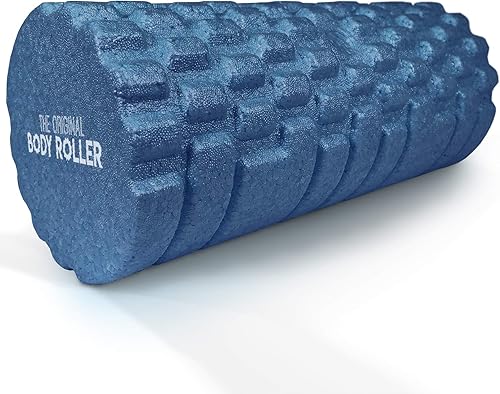
| The Original Body Roller | textured pressure | 12.5 x 5.5 x 5.5 in | EPP | 8.6 | |
| FITNATION Fitizen Foam Roller | a mini targeted roller | 12 x 4 x 4 in | Firm | EVA foam | 8.4 |
| TriggerPoint CORE Foam Massage Roller with Softer | softer compression | 12 x 4 x 4 in | Soft | EVA foam | 8.2 |
Amazon Basics High-Density Foam Roller for Exercise: Best for most buyers
- 18 x 6 x 6 in
- Firm polypropylene
- Molded edges
- Black
An 18-inch firm round roller that covers the back well and holds its shape for balance and recovery work.
Pros
- Good length for upper and mid back
- Firm and durable
- Wipes clean
Cons
- 6-inch diameter may feel tall for smaller users
This Amazon Basics roller suits most buyers who want a simple foam roller for back pain without extra bumps or curves. It is 18 inches long and 6 inches in diameter, so it covers the upper and mid back well.
You can roll from the lower ribs toward the shoulders with steady pressure.
The foam is firm polypropylene, which holds its shape under body weight. Molded edges add some comfort at the ends.
The roller weighs 0.27 kg, so it is light to carry to class or store at home. It wipes clean, which helps after sweaty sessions.
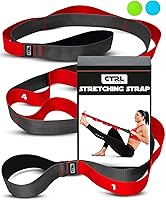
For balance, strengthening and flexibility work, the width gives stable support. For assisted leg stretches, compare stretching straps for legs.
That makes it useful beyond back rolling.
New users can start with light pressure by keeping more weight on their feet. Experienced users can add pressure by shifting weight onto the roller.
The trade-off is diameter. Six inches can feel tall if you are small or stiff.
A thinner roller may feel easier to control. Still, for a first firm roller, this length and shape are hard to beat.
Day 1 Fitness High Density Muscle Foam: Best for compact travel use
- 12 x 6 x 6 in
- High-density EPP foam
- Solid Black
A shorter 12-inch high-density roller that travels easily and targets the back, neck and feet.
Pros
- Compact and portable
- Resists bending under pressure
- Good for focused areas
Cons
- Shorter length covers less back at once
Day 1 Fitness suits travelers and people who want a compact high-density roller for focused back work. It is 12 inches long and 6 inches thick, made from EPP foam.
EPP foam resists bending under tension, so pressure stays firm and steady.
You can use it on the back, neck and feet. The shorter length means you target one area at a time.
That can help with knots beside the spine or tight spots in the upper back. It also fits in a gym bag or suitcase with ease.
The brand says it suits deep tissue massage and myofascial release. For daily use, that means slow passes and short pauses on tender spots.
Keep pressure moderate. Stop if pain is sharp or travels elsewhere.
The trade-off is coverage. A 12-inch roller needs more passes to cover the back than an 18-inch or 24-inch model.
If you roll often at home, a longer roller saves time. If you travel or have small storage space, this compact size is a plus.
ProsourceFit High Density Foam Rollers: Best for size choice
- 12 in long in this version
- High-density EPP
- 300 lb maximum weight capacity
A firm 12-inch roller from a range that also offers longer sizes for fuller back coverage.
Pros
- Firm deep pressure
- High weight capacity
- Sizes available from 12 to 36 in
Cons
- This 12-inch version is short for full back work
ProsourceFit suits buyers who want firm pressure and future size choice. This version is 12 inches long and 6 inches in diameter, made from high-density EPP foam.
The brand states a 300 lb maximum weight capacity.
Firm foam like this suits the upper back, lats and glutes. You can also use it on the calves, hamstrings and IT band.
The smooth surface is easy to learn, and pressure comes from your body position rather than bumps.
The same range offers 18-inch, 24-inch and 36-inch sizes. That matters for back work.
A longer size covers more back at once and feels more stable. This 12-inch size is best for travel, small spaces or focused areas.
New users may find high-density foam intense at first. Start with less weight on the roller.
Ease into deep pressure over several sessions. EPP foam is water-resistant and easy to clean, which helps with regular use at home or in a studio.
Amazon Basics High Density Foam Roller: Best for full back coverage
- 24 x 6 x 6 in
- Firm polypropylene
- Blue Speckled
- Molded edges
A 24-inch firm roller that spans more of the back and upper body in one pass.
Pros
- Longer coverage
- Lightweight and easy to reposition
- Wipes clean
Cons
- Longer body needs more floor space
This Amazon Basics 24-inch roller suits people who want wider back coverage. It is 24 inches long and 6 inches in diameter, in Blue Speckled polypropylene.
The extra length spans the upper back, lats and shoulders with fewer repositioning moves.
Firm polypropylene holds its shape well. Molded edges add comfort.
The roller weighs 0.25 kg, so it stays light to carry and move during workouts. It wipes clean after use.
For back pain buyers, length can improve control. You can place more of your back on the roller at once.
That may feel steadier than a short roller. You can also use it for balance and flexibility exercises.
The trade-off is space. A 24-inch roller needs more floor room and storage space than a 12-inch model.
It is also less travel-friendly. If storage is tight, check our notes on a high density foam roller 4 inch before you choose a narrower option.
Rollga PRO: Best for contoured spine support
- 18 x 6 x 6 in
- Contoured shape
- 20% harder than standard Rollga
A contoured high-density roller shaped to support the spine and shoulder blades during back work.
Pros
- Spine support shape
- Targets pressure points
- Portable
Cons
- Firmness suits experienced users best
Rollga PRO suits people who want a contoured shape for back work. It is 18 inches long and 6 inches in diameter, with a patented shape that supports the spine and shoulder blades.
That shape is the key difference from smooth round rollers.
The PRO version is 20% harder than the standard Rollga. Firm pressure suits experienced users who know how much pressure they like.
The contoured design aims pressure at muscles beside the spine rather than directly on bone.
You can use it on the neck, back, legs, arms and feet. It is lightweight and durable for home, gym or travel use.
For upper and lower back tension, the shape may help you find pressure points with less hunting.
The trade-off is learning curve and firmness. A contoured roller is less simple than a smooth cylinder.
New users may sore more easily with hard foam. If you want a gentler start, a soft round roller may suit you better at first.
OPTP PRO-Roller Soft Density Foam Roller: Best for gentler pressure
- 36 x 6 in
- Soft density EVA foam
- Closed-cell, easy to wipe clean
A long 36-inch soft roller for full-body positioning and gentler massage.
Pros
- Full-length coverage
- Soft and comfortable
- Durable closed-cell foam
Cons
- Soft foam may not reach deep knots
OPTP PRO-Roller Soft Density suits beginners and people who prefer gentle pressure. It is 36 inches long and 6 inches in diameter, made from closed-cell EVA foam.
The length gives full-body coverage in one position.
Soft foam spreads pressure over a wider area. That can feel more comfortable on the back, especially if you are new to foam rolling.
You can use it for self-massage, Pilates, yoga, balance and mobility work.
Closed-cell EVA foam wipes clean with a damp cloth and mild detergent. Heat-molded foam is made for heavy repeated use in a gym, studio or clinic.
The textured grip helps traction on some floors.
The trade-off is depth. Soft foam may not reach deep knots in the upper back or lats.
If you need firm pressure, a high-density roller will suit you more. For gentle back exercises and positioning, this long soft roller is a strong choice.
The Original Body Roller: Best for textured pressure
- 12.5 x 5.5 in
- 3D textured zones
- Heavy-duty EPP construction
A compact textured roller with three massage zones for focused trigger-point work on the back and legs.
Pros
- Targeted textured zones
- Compact and lightweight
- Comfortable for beginners
Cons
- Short length limits full back coverage
The Original Body Roller suits people who want texture without a large roller. It is 12.5 inches long and 5.5 inches in diameter, made from heavy-duty EPP foam.
Triple massage zones aim to mimic fingers, thumbs and palms.
The dual grid design has a finger zone with ridges and spiked bumps on the opposite side. That texture can target trigger points in the back and legs.
Pressure feels more focused than on a smooth roller.
It is light and portable, at 3.21 ounces in the specs. The brand offers a 13-inch model and a 17-inch model for more coverage.
This 12.5-inch size suits focused work and travel.
The trade-off is coverage and intensity. A short textured roller covers less back per pass.
Bumps can feel strong if you add full body weight. Start light, roll slowly and avoid bony areas.
For smooth, simple back rolling, a round roller may be easier.
FITNATION Fitizen Foam Roller: Best for a mini targeted roller
- 12 x 4 x 4 in mini version
- Firm EVA foam
- Textured surface
- Sizes from mini to XL
A mini 4-inch diameter roller for focused pressure, warm-ups and hard-to-reach spots.
Pros
- Very portable
- Focused pressure
- Multiple sizes offered
Cons
- Narrow diameter gives less support
FITNATION Fitizen suits people who want a mini roller for focused pressure. This version is 12 inches long and 4 inches in diameter, made from firm EVA foam.
The narrow diameter gives targeted pressure on small areas.
You can use it for warm-ups, mobility work and post-workout recovery. It targets the back and legs, plus calves, hamstrings, quads and glutes.
The textured surface acts like a trigger-point roller for sore spots.
The brand offers five sizes, from mini 12 x 4 inches to XL 36 x 6 inches. That range helps if you want to start small and size up later.
The mini size fits in a gym bag and stores in a drawer.
The trade-off is support. A 4-inch diameter rolls more easily and gives less stable support under the back.
New users should start with light pressure and use hands or the opposite leg for support. For full back coverage, a 6-inch diameter roller will feel steadier.
TriggerPoint CORE Foam Massage Roller with Softer: Best for softer compression
- 12 in version shown
- Softer compression
- Multi-density grid pattern
- EVA foam
A softer multi-density roller with a grid pattern for gentler targeted compression.
Pros
- Softer feel for new users
- Grid pattern for targeted areas
- Durable solid-core EVA
Cons
- 4-inch diameter and short length limit coverage
TriggerPoint CORE suits people who want softer compression with texture. This version is 12 inches long and 4 inches in diameter, made from EVA foam with a solid core.
The firmness is listed as soft.
A multi-density grid pattern gives targeted compression for self-massage. That can help with tight muscles and general mobility.
Solid-core EVA foam is more durable than standard polypropylene rollers that can break down and feel soft over time.
The 12-inch length suits most muscle groups for focused work. You can target the back, calves and other tight spots without a large roller taking up space.
The package weight is 0.18 kg, so it travels well.
The trade-off is size and depth. A 4-inch diameter gives less broad support than a 6-inch roller.
Soft compression may not suit people who want deep pressure. If you want firm back pressure, a high-density round roller is a better fit.
If you want gentle targeted work, this is a good pick.
Which foam roller for back pain should you buy first?
The best foam roller for back pain depends on your experience and where you feel tight. Most beginners do best with a soft or medium-firm round roller.
Experienced users often prefer firm high-density foam.
Smooth round rollers
Smooth round rollers are the easiest to learn. They give even pressure across the upper and mid back.
They also work for balance and core exercises. Start here if this is your first roller.
Contoured and textured rollers
Contoured rollers aim to support the spine while targeting muscles beside it. Textured rollers add bumps or grids for focused pressure.
They suit people who know their pressure preference. They can feel intense if you add too much weight.
Soft versus firm foam
Soft foam feels gentle and spreads pressure. Firm foam holds shape and gives deep pressure.
You can adjust pressure with your feet, hands and body position. Start light and build up slowly over several sessions.
How long should a foam roller for back pain be?
Length decides how much back you cover at once. A 12-inch roller is compact and good for travel.
An 18-inch roller is a balanced home size. A 24-inch or 36-inch roller covers more body with fewer moves.
Short rollers, 12 inches
Short rollers suit focused areas and small spaces. They work well for the upper back, feet and calves.
You will need more passes to cover the full back. They are easy to store and carry.
Mid-length rollers, 18 inches
An 18-inch roller is the sweet spot for many buyers. It covers the upper and mid back well.
It also fits most storage spaces at home. It is long enough for back work without feeling bulky.
Long rollers, 24 to 36 inches
Long rollers span the back, legs and glutes with fewer repositioning moves. They feel stable for balance work.
They need more floor space and storage room. A 36-inch roller is best for full-body positioning.
Is a 4-inch or 6-inch foam roller better for back pain?
Diameter shapes support and control. A 6-inch roller gives broad, stable support.
It is easier to balance on, especially when you first learn. It suits back work for most people.
A 4-inch roller gives focused pressure. It can reach small tight spots with less surface contact.
It also rolls away more easily, so control takes more care. It suits targeted work and travel.
If you are new to rolling, start with 6 inches. If you already roll and want focused pressure, a 4-inch roller can be a useful second tool.
For lower back questions, read Can You Use a Foam Roller on Your Lower Back? before you roll near the lumbar area.
How do you use a foam roller for back pain safely?
Use a foam roller on muscles, not on the spine or bony areas. Keep the roller beside the spine and roll slowly over the upper back, lats and glutes.
Stop if pain is sharp, electric or spreads down a limb.
A simple routine
Lie on the floor with the roller under your upper back. Bend your knees and place your feet flat.
Support your head with your hands. Roll slowly up and down for short passes.
Pause on tender spots for a few seconds, then move on.
Pressure and speed
Start with light pressure. Keep more weight on your feet at first.
Roll slowly rather than fast. Add pressure only if it feels steady and comfortable.
Speed does not improve results.
When to skip rolling
Skip rolling over broken skin, bruises, recent injuries or bony areas. Avoid the neck if you are unsure.
Talk to a doctor about pain that lasts more than a few days, gets worse, or comes with numbness, weakness or loss of bladder control.
How do you care for a foam roller and store it?
Clean your roller when it looks dirty or smells sweaty. Most of these rollers wipe clean with a damp cloth.
Use mild soap if needed, then let it dry fully before storage.
Store it dry and out of direct heat. Keep it off a hot floor or in a hot car.
Firm foam can lose shape if it stays compressed or overheated. A closet, corner or gym bag works well.
Check the foam now and then. Replace a roller if it cracks, dents deeply or feels much softer than before.
Soft spots change pressure and can make rolling less even. Regular care helps a good roller last for years.
What should you buy for simple back recovery at home?
Pick a firm 18-inch smooth roller if you want one tool for back work, balance and general recovery. Pick a soft long roller if you are new and want gentle pressure.
Pick a contoured roller if you want spine support and you like firm pressure.
Add a second tool only if you need it. A mini roller helps with focused spots and travel.
A textured roller helps with trigger points. A massage gun can cover areas that are hard to reach with a roller.
For firm round options, compare the best high density foam roller for back picks.
Back recovery also depends on daily habits. Desk posture, sleep position and training load all matter.
Gentle movement, walking and strength work often help more than hard rolling alone. If treadmill pain is part of your routine, read Best Treadmill For Joint Pain and How to Avoid Treadmill Related Knee Pain?.
Verdict: best foam roller for back pain picks for different needs
The Amazon Basics 18-inch roller is the best all-around foam roller for back pain for most buyers. It is firm, smooth and long enough for the upper and mid back.
Choose the Day 1 Fitness or ProsourceFit 12-inch models for travel and focused work. Choose the Amazon Basics 24-inch model for wider coverage.
Choose Rollga PRO for a contoured spine-support shape and firm pressure. Choose OPTP PRO-Roller Soft Density for gentle full-length work.
Choose The Original Body Roller for textured trigger-point pressure. Choose FITNATION Fitizen mini for small-space targeted work.
Choose TriggerPoint CORE for softer grid compression.
Start with light pressure and slow passes. Avoid the spine and bony areas.
Talk to a doctor about ongoing pain. Pair rolling with movement, sleep and breaks from sitting, and your back recovery routine will be stronger than rolling alone.
Our top 3 picks at a glance
-
1
Best for most buyers
Amazon Basics High-Density Foam Roller for Exercise
9.7/10 our score
See it on Amazon -
2
Best for compact travel use
Day 1 Fitness High Density Muscle Foam
9.6/10 our score
See it on Amazon -
3
Frequently asked questions
Can a foam roller help with back pain?
A foam roller may help ease muscle tension in the back when used gently on muscles around the spine. It does not treat the cause of pain.
Stop if you feel sharp pain, numbness or tingling, and talk to a doctor about ongoing pain.
Where should you not roll on your back?
Avoid rolling directly on the spine, bony areas and the lower back over the kidneys. Keep the roller on muscles beside the spine, such as the upper back, lats and glutes.
Use light pressure and slow passes at first.
How long should a foam roller session last?
Many people use short sessions of a few minutes on one area. Roll slowly, pause on tender spots for a few seconds, then move on.
Rest and gentle movement matter more than pressing hard for a long time.
What firmness is best for a foam roller for back pain?
Medium-firm to firm suits many people for the upper and mid back. New users often prefer a softer roller at first.
You can control pressure with your body position, so start light and build up slowly.