
How to Avoid Treadmill Related Knee Pain?
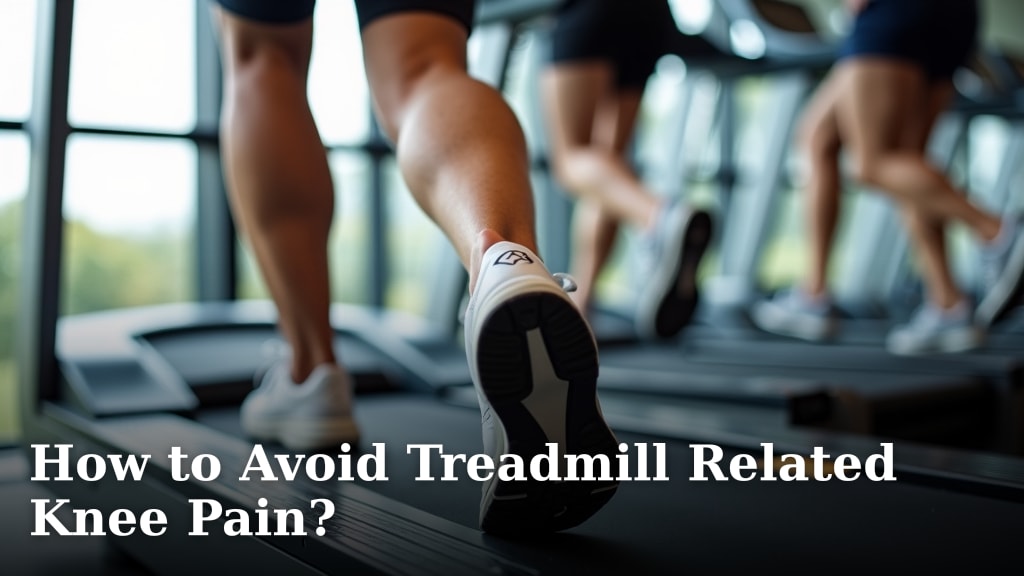
To avoid treadmill related knee pain, focus on proper form, gradually increasing your speed and incline, and wearing supportive shoes. Many find that listening to their body and adjusting their routine helps a lot. It’s all about making smart choices for your knee health.
Knee pain can really sideline your fitness goals, right? We understand how frustrating that can be. Treadmills are great for indoor cardio, but they can be tough on your joints if you’re not careful. Let’s make sure your workouts are comfortable and effective for your knees.
- Adjust your running form
- Choose the right footwear
- Warm up and cool down properly
- Listen to your body
Ready to get back to pain-free running? We’ll walk you through everything you need to know to keep your knees happy on the treadmill.
Preventing Treadmill Knee Pain: Your Guide
Knee pain from treadmill use is common, but it doesn’t have to stop your fitness journey. We’ve gathered practical tips to help you protect your knees and enjoy your workouts.
Optimizing Your Running Form on the Treadmill
Your running style plays a huge role in how much stress your knees absorb. Small adjustments can make a big difference.
Understanding Foot Strike and Cadence
Are you a heel striker? Many treadmill users are. Striking with your heel first can send a jarring impact up to your knee (National Institutes of Health).
Try to aim for a mid-foot strike, landing gently with the middle of your foot. This helps distribute impact more evenly.
Cadence is how many steps you take per minute. A higher cadence, meaning more steps in less time, can actually reduce the load on your knees.
Aim for around 170-180 steps per minute. It might feel a little different at first, almost like you’re jogging in place, but it’s much kinder to your joints.
Body Posture and Gaze
Where are your eyes looking? Many people look down at their feet or the treadmill console. This can cause you to hunch over.
Keep your gaze forward, about 10-20 feet ahead of you. This helps maintain an upright posture.
Your shoulders should be relaxed, pulled back slightly, not hunched forward. Keep your core engaged, almost like someone is gently pulling a string from the top of your head.
Choosing the Right Footwear for Treadmill Workouts
Your shoes are your first line of defense against impact. Don’t underestimate their importance.
Support and Cushioning
Just like tires on a car, running shoes wear out. Old, worn-out shoes lose their cushioning and support, leaving your knees exposed.
Look for shoes designed for running that offer good cushioning. You might prefer a shoe with more or less support depending on your foot type.
We recommend replacing your running shoes every 300-500 miles, or roughly every 4-6 months if you run regularly. If they look compressed or the treads are gone, it’s time for new ones.
Visiting a Specialty Running Store
Guessing your shoe size or style can be a costly mistake, literally for your knees.
A specialty running store can analyze your gait. They’ll watch how your foot moves when you run.
This analysis helps them recommend shoes that match your foot type and running mechanics. It’s like having a personal shoe expert for your feet.
Smart Treadmill Usage Strategies
How you use the treadmill itself can either help or hurt your knees.
Gradual Increase in Intensity
Are you jumping straight into a fast run? Your body needs time to adapt.
Start with a brisk walk, then gradually increase speed and incline. The “10% rule” is a good guideline: don’t increase your mileage, speed, or incline by more than 10% each week (Cleveland Clinic).
This gradual progression helps your muscles, tendons, and joints get stronger without overloading them too quickly.
Using Incline Wisely
Running on a slight incline (1-2%) can actually mimic outdoor running better and reduce direct impact on your knees.
However, too much incline can put extra strain on your calves and Achilles tendons, which can indirectly affect your knees.
Use inclines moderately and vary them. Don’t always run on the same flat surface, but also don’t always run on a steep hill.
Pre- and Post-Workout Rituals
What you do before and after your run is just as important as the run itself.
Dynamic Warm-up for Joint Preparation
Cold muscles and joints are more prone to injury. Think of your body like a rubber band; it’s less likely to snap when warm and pliable.
Spend 5-10 minutes on a dynamic warm-up. This includes movements like leg swings, butt kicks, high knees, and walking lunges.
A good warm-up increases blood flow, prepares your muscles, and lubricates your joints, making them ready for activity.
Cool-down and Stretching
After your run, don’t just hop off the treadmill and go. Your muscles are warm and receptive to stretching.
A cool-down walk for 5 minutes helps your heart rate return to normal. Follow this with static stretches, holding each stretch for 20-30 seconds.
Focus on stretching your hamstrings, quads, hip flexors, and calves. These muscles directly impact knee stability and movement.
Strengthening and Flexibility for Knee Support
Strong muscles around your knee act like natural shock absorbers. Flexibility ensures proper movement.
Targeted Strengthening Exercises
Weak glutes and core muscles often contribute to knee pain. They aren’t doing their job to support your body’s alignment.
Incorporate exercises like squats, lunges, glute bridges, and planks into your routine 2-3 times a week.
These exercises build strength in the muscles that stabilize your hips and knees, reducing strain during running.
The Role of Flexibility and Mobility
Tight muscles can pull on your joints in unhealthy ways. If your hamstrings are tight, they can affect your stride and put pressure on your knees.
Consider adding yoga or foam rolling to your weekly routine. These practices improve flexibility and release muscle tension.
Improved mobility means your joints can move through their full range of motion without restriction, lessening the chance of pain.
Listening to Your Body: The Ultimate Guide
This is perhaps the most important tip. Your body gives you signals; learn to interpret them.
Distinguishing Pain from Discomfort
How do you know if it’s just muscle soreness or something more serious? Discomfort might feel like a general ache or fatigue after a workout.
Pain, especially sharp, persistent, or worsening pain, is a red flag. If you feel pain in your knees during or after your run, don’t ignore it.
Pushing through pain can turn a minor issue into a major injury. It’s better to take a day off or cross-train.
When to Seek Professional Advice
If your knee pain is severe, doesn’t go away after rest, or impacts your daily activities, it’s time to see a doctor or physical therapist.
They can diagnose the problem and provide a personalized plan for recovery. Don’t wait until the pain becomes unbearable.
Quick Checklist for Happy Knees on the Treadmill
Here’s a handy list to keep your knees in top shape during your treadmill sessions:
- Check your running form: aim for a mid-foot strike and high cadence.
- Ensure your running shoes are supportive and not worn out.
- Always warm up before your run and cool down afterward.
- Gradually increase your speed, distance, or incline, following the 10% rule.
- Include strength training for your glutes, quads, and core.
- Listen to your body and rest if you feel pain, not just discomfort.
Treadmill vs. Outdoor Running: Knee Impact Comparison
Many people wonder if treadmills are better or worse for their knees than outdoor running. Let’s look at the differences.
| Feature | Treadmill Running | Outdoor Running |
|---|---|---|
| Surface Impact | Softer, more forgiving surface (belt absorbs some shock). | Harder, varied surfaces (asphalt, concrete, trails). |
| Consistency | Consistent, predictable surface and speed. | Varied terrain, wind resistance, turns, uneven ground. |
| Joint Stress | Generally lower impact due to belt cushioning. | Higher impact, but varied stress points. |
| Muscular Engagement | Less glute and hamstring engagement (belt propulsion). | More glute and hamstring engagement (propelling forward). |
As you can see, both have pros and cons. The treadmill can be kinder on your joints due to its softer surface, especially if you have existing knee issues.
However, outdoor running engages more stabilizing muscles, which can strengthen your knees over time. Varying your routine between both can offer the best of both worlds.
Conclusion
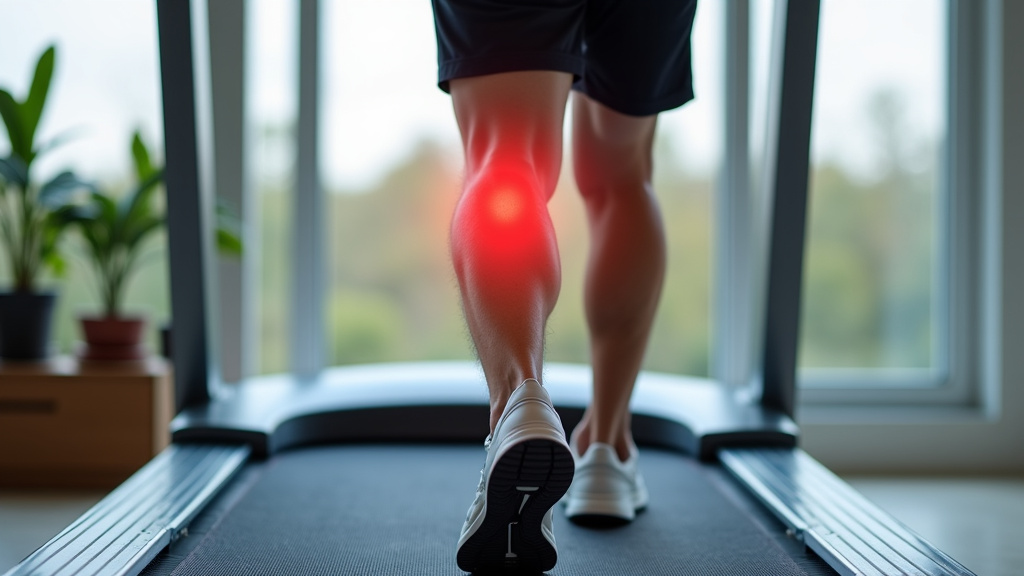
You now have a complete toolkit to keep your knees happy on the treadmill. By focusing on proper form, wearing the right shoes, and smart training strategies, you’re building a foundation for pain-free workouts.
Remember to listen closely to your body’s signals and give it the rest and support it needs. Incorporate strengthening and flexibility exercises to bolster your knee health.
With these steps, you can confidently hit the treadmill, enjoy your cardio, and keep moving toward your fitness goals without knee pain holding you back. Your knees will thank you.
Frequently Asked Questions
Is walking on a treadmill bad for your knees?
No, walking on a treadmill is generally not bad for your knees. In fact, the treadmill’s softer surface can be less impactful than walking on hard outdoor surfaces.
Focus on maintaining good posture and wearing supportive shoes to maximize comfort and minimize any potential strain.
How can I strengthen my knees for treadmill use?
Strengthening the muscles around your knees is key. Incorporate exercises like squats, lunges, glute bridges, and calf raises into your routine.
These target your quadriceps, hamstrings, glutes, and calves, which all help stabilize and support your knee joints during treadmill workouts.
Should I use an incline on the treadmill if I have knee pain?
If you’re experiencing knee pain, it’s generally best to start with a flat surface or a very slight incline (0.5-1%).
A higher incline can increase stress on the knee joint and surrounding tendons. Gradually increase the incline only if it doesn’t worsen your pain.
How often should I replace my treadmill running shoes?
You should aim to replace your running shoes every 300-500 miles, or roughly every 4-6 months if you run regularly.
Over time, the cushioning and support break down, which can increase impact on your knees. Look for signs of wear like compressed midsoles or worn-down treads.
What is the best way to warm up my knees before a treadmill run?
A dynamic warm-up is excellent for preparing your knees. Spend 5-10 minutes performing movements like leg swings, butt kicks, high knees, and walking lunges.
This increases blood flow and joint lubrication, making your knees more resilient and ready for your workout.
