Why Is Garmin Forerunner 970 Calibration Not Working?
Garmin Forerunner 970 treadmill calibration usually fails when the run is too short, GPS or indoor settings are wrong, or the watch and treadmill show different distances. Save a steady indoor run, then calibrate from the run summary using the treadmill's distance.
On this page (9 sections)
- Why is Garmin Forerunner 970 treadmill calibration not working?
- Did you enter the treadmill distance correctly?
- Are GPS and indoor settings blocking calibration?
- Could the watch software or sensor data be stale?
- Can a chest strap help diagnose the problem?
- Do you need a pulse oximeter or blood pressure monitor?
- How do you reset Garmin treadmill calibration?
- What should you check before contacting Garmin?
- What is the best fix for Garmin Forerunner 970 treadmill calibration not working?
Garmin Forerunner 970 treadmill calibration usually fails because the watch did not capture a clean indoor run, the activity was not saved correctly, or the distance entered during calibration was wrong. A stable pace, the correct treadmill activity, and an accurate treadmill distance give the watch the best chance to improve its indoor estimate.
The Forerunner 970 estimates treadmill distance from motion and stride data rather than GPS. That estimate can drift if you change pace often, hold the rails, run with a different stride, or use a treadmill whose belt speed does not match its display.
Why is Garmin Forerunner 970 treadmill calibration not working?
The calibration option may not appear until you finish and save a qualifying treadmill activity. If the watch shows no calibration prompt, open the saved activity and look for a calibration or distance-adjustment option in the activity details.
Use the treadmill profile instead of a general indoor run profile. For more on Garmin treadmill step counting, see our guide.
Start the activity after the belt reaches your planned speed, then avoid pressing pause during the main portion of the run.
A short warm-up with frequent speed changes can give the watch less useful data. Run at a steady pace for most of the activity, and keep your arms moving normally instead of holding the treadmill rails.
If you are comparing several Garmin models, our guide to Garmin treadmill calibration not working explains the common causes across watches.
Did you enter the treadmill distance correctly?
Calibration depends on the distance you enter, so use the treadmill's final distance and not the watch's estimate. Check the treadmill display after stopping the activity, then enter that number exactly when the Forerunner 970 asks for calibration.
Do not round a display showing a decimal unless the watch requires a specific format. A small mismatch may affect the next estimate, especially if you repeat the process using a different distance each time.
Make sure the treadmill has not been set to kilometers while the watch is using miles, or the reverse. Unit mismatches can make a reasonable run look severely inaccurate.
If your treadmill display is also unreliable, troubleshoot the machine first with Why Is Treadmill Not Working?. Calibration cannot correct a belt that slips or a speed display that is wrong.
Are GPS and indoor settings blocking calibration?
GPS should not be the source of distance during a normal indoor treadmill run. Start the treadmill activity indoors and check its GPS setting if the watch keeps searching for satellites or records an outdoor-style track.
A GPS signal can be weak indoors and may jump between positions. That can create a distance estimate that does not match the belt, so an indoor profile is usually the better starting point.
Also check whether the watch is connected to a foot pod or another pace sensor. A paired sensor may change the distance source, and its stored calibration may not match your current treadmill or running form.
Garmin's support center is the right place to check the current Forerunner 970 software notes and device-specific instructions.
Could the watch software or sensor data be stale?
Restart the Forerunner 970, update it if an update is available, and confirm that the activity profile is working normally. A restart can clear a temporary sensor or activity-state problem, but it will not replace a correctly recorded calibration run.
Clean and dry the watch, wear it securely above the wrist bone, and use the same wrist setting you normally use for running. A loose fit can change motion data, especially when your arm swing is small.
Check whether the watch records cadence, pace, and distance during the run. Missing or erratic data suggests a sensor or activity issue rather than a simple calibration mismatch.
The Garmin Forerunner 970 treadmill calibration guide covers the normal calibration sequence. Follow that process after updating and restarting the watch.
Can a chest strap help diagnose the problem?
A chest strap can help compare heart-rate data, but it does not directly calibrate treadmill distance. If the watch shows unusual heart-rate readings or drops during a steady run, an external sensor can help you separate a heart-rate issue from a pace and distance issue.
The Polar Pro Chest Strap uses snap attachments and is compatible with Polar heart-rate sensors. Its product data also lists compatibility with fitness trackers, smartwatches, and gym equipment that supports Polar technology.
Pair the strap before starting the activity and confirm that the watch recognizes it. Treat the strap as a diagnostic aid, not as a replacement for the watch's treadmill-distance calibration.
For another Garmin model, see why Garmin 570 treadmill calibration is not working. The menus and behavior can differ between watch models.
Do you need a pulse oximeter or blood pressure monitor?
Neither device will repair Forerunner 970 treadmill calibration, but they can support separate post-exercise checks if you already monitor these measures. Keep them outside the calibration process and do not use their readings to judge treadmill distance.
The Zacurate device is designed for sports and aviation use, not as a medical device. It reads SpO2 and pulse rate on an LED display, includes 2 AAA batteries, and is intended for users age 12 and above.
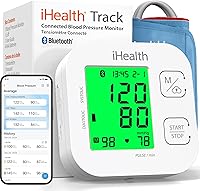
The iHealth Track stores up to 99 readings on the monitor and can manage unlimited readings through its iOS and Android apps. It has a wide-range cuff for upper arms measuring 8.7 to 16.5 in and automatically identifies possible heart rhythm disturbances.
Do not use either device to diagnose a health problem. Seek medical advice for concerning or repeated readings, chest pain, fainting, or unusual shortness of breath.
How do you reset Garmin treadmill calibration?
Resetting calibration can help when the watch has learned from an inaccurate distance, but reset only after checking the activity profile and treadmill display. The reset removes the bad reference, so you will need another steady run before judging the new estimate.
Open the running settings and look for calibration, sensor, or indoor-distance options. The exact menu wording can change with software, so use the watch's current menu and Garmin's instructions rather than relying on an older button sequence.
After resetting, run at one steady speed, save the activity, and enter the treadmill's final distance when prompted. Repeat the same process on the same treadmill before comparing the result with outdoor runs.
Our guide to how to reset treadmill calibration on Garmin explains when a reset makes sense. If the watch still refuses to offer calibration, record the software version and activity behavior before contacting Garmin support.
What should you check before contacting Garmin?
Confirm the watch is updated, the treadmill activity is selected, the run is saved, and the displayed units match. Also note whether the calibration option is missing, unavailable, or accepts a distance but produces the same error afterward.
Write down the treadmill distance, watch distance, run duration, pace changes, GPS setting, and connected sensors. This gives support a useful record instead of a general report that calibration does not work.
If the watch records normal outdoor runs but fails only indoors, focus on the treadmill profile, sensor source, and calibration workflow. If pace and distance are wrong in every activity, the issue may affect the watch's motion data more broadly.
What is the best fix for Garmin Forerunner 970 treadmill calibration not working?
Use the correct treadmill profile, disable unreliable indoor GPS behavior, run steadily, save the activity, and enter the treadmill's exact distance. Restart and update the watch first, then reset calibration only if an earlier reference appears inaccurate.
Pick the normal calibration workflow if the option appears after a saved run. Pick the reset route if the watch learned from a clearly wrong distance.
If the menu remains missing after those checks, contact Garmin with the activity details and software version.
For a related watch workflow, see how to calibrate Garmin 165. The key rule is simple: calibrate from a clean, saved run and compare like-for-like distances.
Frequently asked questions
Why is my Garmin Forerunner 970 treadmill calibration not working?
The most common causes are a run that is too short, an unsaved activity, an incorrect treadmill distance, or software that needs updating. Start a treadmill activity, keep your pace steady, finish the run, save it, and use the calibration option from the activity summary.
Check the watch and treadmill distance before confirming.
How long should I run before calibrating a Garmin Forerunner 970?
Run long enough for the watch to collect a useful indoor pace estimate, and follow the calibration prompt shown by the watch. A steady run is more useful than repeated short starts and stops.
If calibration does not appear, save the activity first, then check the run summary and Garmin's current instructions.
Can I calibrate the Forerunner 970 without GPS?
Yes, treadmill calibration is intended for indoor running, where GPS may be unavailable or unreliable. Start the correct treadmill activity and let the watch estimate distance from its sensors.
If the watch keeps waiting for GPS, review the activity's GPS setting and use the indoor treadmill profile.
Does a foot pod help Garmin Forerunner 970 calibration?
A compatible foot pod can provide another pace and distance source, but it does not automatically fix a calibration problem. Check which sensor the watch is using, keep the sensor paired, and avoid comparing a foot-pod distance with the treadmill display until both devices record the same run.