Heart Rate Monitor vs Blood Pressure Monitor: Which Is Better? (November 2026)
A heart rate monitor tracks your pulse, while a blood pressure monitor measures the pressure of blood against artery walls. Choose by the reading you need, since one device's result can't replace the other's.
On this page (7 sections)
A heart rate monitor tracks your pulse, while a blood pressure monitor measures the pressure of blood against artery walls. In a heart rate monitor vs blood pressure monitor comparison, the right choice depends on which measurement you need.
A pulse reading tells you how many times your heart beats per minute. A blood pressure reading reports pressure as two numbers, systolic over diastolic, in millimeters of mercury.
The devices answer different questions. A heart rate monitor can help you follow pulse during exercise, while a blood pressure monitor is designed to take blood pressure readings.
For compatible treadmill setups, compare NordicTrack heart rate monitors.
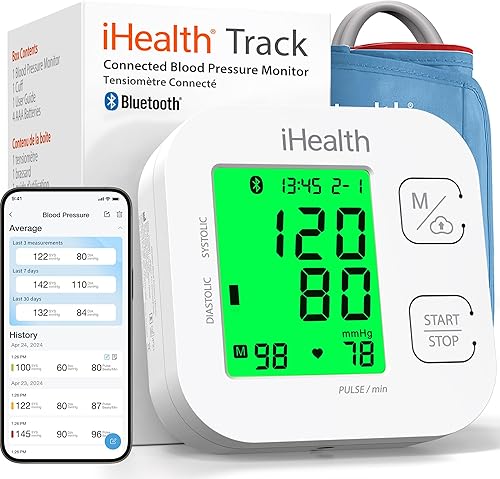 Best for upper arm blood pressure readings
iHealth Track Smart Upper Arm Blood Pressure
 Best for pulse and oxygen readings
Zacurate Pro Series 500DL Fingertip Pulse Oximeter
What does a heart rate monitor measure?
A heart rate monitor measures your pulse, usually as beats per minute. Compare chest strap heart rate monitors if you want a dedicated sensor.
Depending on the device, it may show your pulse in real time or record readings over time.
A wrist wearable, chest strap or fingertip pulse oximeter can report pulse rate. A pulse oximeter may also show blood oxygen saturation, but that additional reading is not blood pressure.
If you're comparing a heart rate monitor for a particular activity, look at how it captures and displays pulse. For home readings, this guide to how to monitor heart rate at home covers basic options and measurement habits.
When is pulse tracking useful?
Pulse tracking can help you see how your heart rate changes with movement and rest. For workout guidance, use a device suited to the activity and follow advice from a clinician if you have a health concern.
A monitor that shows pulse doesn't diagnose a condition. Treat readings as information to discuss with a qualified health professional if they concern you.
What does a blood pressure monitor measure?
A blood pressure monitor measures the force of blood against artery walls. Most home monitors use a cuff and display systolic and diastolic readings.
The upper number is systolic pressure, measured as the heart beats. The lower number is diastolic pressure, measured between beats.
Blood pressure readings depend on using the monitor as instructed. Sit quietly, position the cuff correctly and follow the device manual for timing and posture.
Does a blood pressure monitor also measure pulse?
Some blood pressure monitors display a pulse reading during the measurement. Others may flag a possible heart rhythm disturbance, but those features don't make every blood pressure monitor a complete heart rate tracker.
The iHealth Track stores up to 99 readings on the device and can manage unlimited readings through its compatible smartphone app. It also displays a warning symbol after a measurement if it detects a heart rhythm disturbance. {{product B01C5QS1T8 | An upper arm cuff monitor for shoppers who need blood pressure readings and on-device or app tracking.}}
Heart rate monitor vs blood pressure monitor: what is the difference?
A heart rate monitor reports pulse, while a blood pressure monitor reports systolic and diastolic pressure. They may share some features, but the core measurement is different.
| Device | Main measurement | Typical result | Choose it when |
|---|---|---|---|
| Heart rate monitor | Pulse | Beats per minute | You want to follow pulse during exercise or at rest |
| Blood pressure monitor | Blood pressure | Systolic and diastolic numbers | You need blood pressure readings |
| Fingertip pulse oximeter | Pulse and blood oxygen saturation | Pulse rate, strength and SpO2 | You want those readings from a fingertip device |
Don't compare a pulse number with a blood pressure result as if they mean the same thing. Each reading needs the device intended to measure it.
Which device should you choose?
Choose a heart rate monitor for pulse tracking and a blood pressure monitor for blood pressure readings. Start with the purpose, then compare where you measure and how you want to keep records.
If your goal is activity tracking, review options for daily heart rate monitoring and treadmill workouts. A monitor built for exercise may suit regular pulse checks better than a cuff designed for blood pressure.
For blood pressure at home, choose a monitor with a cuff that fits and follow its instructions. An upper arm model uses a different placement from a wrist model, so fit and setup matter.
If you want a fingertip reading of pulse and oxygen saturation, the Zacurate Pro Series 500DL is one option to compare. The Zacurate Pro Series 500DL Fingertip Pulse Oximeter includes a large LED display, batteries, a silicone cover and a lanyard. {{product B01HSAG8BE | A fingertip option for shoppers who want pulse rate and SpO2 displayed together.}}
The Zacurate 500 Series Fingertip Pulse Oximeter Blood also displays pulse rate, pulse strength and SpO2, with batteries and a lanyard included. Its manufacturer says it is for sports and aviation use and is not a medical device. {{product B07PQ8WTC4 | Another fingertip pulse oximeter for portable pulse and oxygen readings.}}
The Oklar Wrist Blood Pressure Monitor stores up to 240 readings for 2 users and has a rechargeable battery with a Type-C cable. Its adjustable cuff fits wrists from 4.92 to 8.46 inches, and the monitor offers voice broadcast. {{product B0CHXY8WQW | A wrist cuff option for shoppers who want blood pressure tracking with shared memory.}}
Can one device replace the other?
A device that measures pulse doesn't automatically measure blood pressure, and a blood pressure monitor isn't always a workout heart rate tracker. Check the exact functions before buying.
Some devices combine several measurements, but features vary by model. Read the device instructions and identify which results it actually reports.
If you're considering a wearable for blood pressure, first check whether fitness trackers track blood pressure. A feature label or pulse display alone doesn't confirm that it provides blood pressure readings.
For an ECG feature, compare what the device records and what its instructions say it can tell you. Our guide to heart rate monitors with ECG explains that category.
How should you use each monitor?
Follow the instructions for the specific device, because cuff position and pulse measurement methods differ. Good setup makes readings more useful to record and compare.
For a cuff monitor, sit quietly and keep the cuff in the position described in its manual. The Oklar wrist monitor's instructions call for sitting upright, feet flat, wrist at heart level, and staying still and silent during measurement.
For a pulse monitor, use the placement and timing recommended by its manufacturer. If you track readings, note the time and activity so you can understand the context later.
Don't change medication or make health decisions based only on a consumer device reading. Ask a qualified clinician what readings mean for you, especially when results are unusual or symptoms are present.
Which reading matters for your goal?
Pick a heart rate monitor when pulse is the question, and a blood pressure monitor when pressure readings are the question. Choose a device by its stated measurements and use instructions.
For exercise, compare pulse monitor options and consider whether a treadmill heart rate zone guide fits your workout planning. For blood pressure checks, choose a cuff monitor that fits the intended measurement location and use it consistently as directed.
A pulse reading can't stand in for blood pressure, and a blood pressure number can't show how your pulse changes through a workout. Match the tool to the number you need, and ask a health professional when you need help interpreting readings.
Frequently asked questions
Can a heart rate monitor measure blood pressure?
A heart rate monitor measures pulse, and a blood pressure monitor measures blood pressure. Some products may offer both kinds of readings, but check the specific device's stated functions.
A pulse reading alone can't tell you your blood pressure.
Does a blood pressure monitor show heart rate?
Some blood pressure monitors also display pulse or flag possible rhythm disturbances, but features vary by model. The iHealth Track, for example, identifies and alerts you to heart rhythm disturbances after a measurement.
It remains a blood pressure monitor, so check its instructions for what that alert means.
Which monitor should I use during exercise?
Use a heart rate monitor if you want to follow your pulse during exercise. A blood pressure monitor serves a different purpose and isn't a substitute for tracking pulse during a workout.
For exercise targets or health concerns, ask a qualified clinician what readings are appropriate for you.
Is a fingertip pulse oximeter a heart rate monitor?
A fingertip pulse oximeter can display pulse rate, but it also measures blood oxygen saturation. The Zacurate models here show pulse rate and strength alongside SpO2.
They don't measure blood pressure, and their manufacturer describes them as for sports and aviation use, not as medical devices.
Can a fitness tracker replace a blood pressure monitor?
Don't assume a fitness tracker can measure blood pressure just because it tracks heart rate. Check its specific functions and instructions, then use a blood pressure monitor when you need a blood pressure reading.
Our guide explains whether fitness trackers track blood pressure.



