
How to Check If Your Treadmill Needs Lubrication?

The easiest way to check if your treadmill needs lubrication is to perform the “walk test” or the “hand test.” These simple checks will tell you if the walking belt is dragging or sticking. Keeping your treadmill lubricated prevents excess friction and extends its life. Neglecting this simple step can lead to costly repairs down the road. Our guide to lubricating a treadmill belt provides step-by-step instructions for this essential maintenance task.
Just like your car needs oil changes, your treadmill’s belt needs regular lubrication to run smoothly. We found that a well-lubricated treadmill provides a better workout experience and reduces wear and tear on the motor. Ignoring this maintenance task can cause the motor to overwork, shortening its lifespan.
- Two easy ways to check for lubrication.
- Why lubrication is so important.
- Signs your treadmill is running dry.
- How often you should lubricate.
Let’s walk through exactly how to check for proper lubrication and keep your treadmill in top shape.
Checking Your Treadmill for Proper Lubrication
You want your treadmill to last, right? A well-lubricated treadmill runs smoother, quieter, and lasts longer. We found that proper lubrication is one of the easiest ways to extend the life of your machine.
The Two Easiest Ways to Check for Dryness
Let’s get right to it. You don’t need special tools to tell if your treadmill needs some lube. There are two simple tests you can do right at home.
The “Hand Test” Method
This is probably the quickest and most common way to check. It’s safe and gives you a good idea of the belt’s condition.
- Unplug your treadmill first. Safety always comes first, so make sure it’s completely off and unplugged.
- Reach under the belt. With one hand, carefully slide your hand between the walking belt and the motor cover.
- Feel the deck surface. Move your hand along the center of the treadmill deck. You’re looking for a slick, slightly oily feel.
- What are you feeling for? If it feels dry, rough, or chalky, it’s time to lubricate. If you feel a slight slipperiness, you might be okay for now.
Many experts recommend this test as a primary indicator (Treadmill Maintenance Guide). It gives you a direct feel for the lubrication level.
The “Walk Test” Method
This test involves using your treadmill, but you’re paying attention to different signals. It’s about how the machine feels when you’re on it.
- Turn on your treadmill. Set it to a slow walking speed, like 2-3 mph.
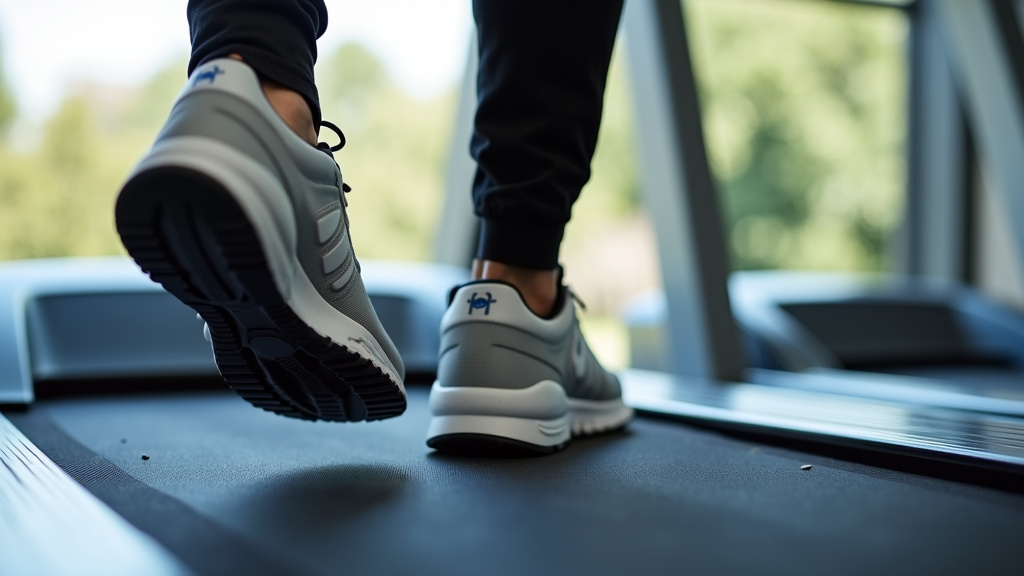
- Start walking gently. Pay close attention to how the belt moves under your feet.
- Does it feel smooth? A well-lubricated belt will glide effortlessly.
- Is it dragging or sticking? If you feel the belt hesitate, stick, or pull at your feet, it’s a strong sign of friction. This means it needs lubrication.
- Listen for unusual noises. A dry belt can cause creaking or groaning sounds as it moves.
This test is good because it simulates actual use. You’re feeling the direct effect of a dry belt on your workout.
Why Does My Treadmill Need Lubrication Anyway?
Think of your treadmill like a car engine. It has moving parts that create friction. Lubrication reduces this friction, allowing everything to work smoothly.
Reducing Friction and Wear
The main reason for lubrication is to reduce the friction between the walking belt and the deck. Every time you step, there’s pressure and movement.
Without lubrication, the belt drags against the deck. This creates heat and resistance. We found that this resistance forces your motor to work harder, using more electricity.
Over time, this extra work wears down the motor and the belt itself. It’s like trying to push a heavy box across a rough floor versus a slippery one.
Extending Treadmill Lifespan
Lubrication is a small step that pays off big. It helps prevent premature wear on expensive components. The motor, control board, and even the belt itself will last longer.
Replacing a motor or a belt can be costly. We found that a simple bottle of treadmill lubricant is far cheaper than a major repair bill. It’s preventative maintenance at its best.
Other Warning Signs Your Treadmill Is Running Dry
Beyond the hand and walk tests, your treadmill might be sending you other signals. These signs indicate that friction is building up.
Increased Motor Noise
Do you notice your treadmill sounds louder than usual? A struggling motor often makes more noise. It might hum, strain, or even whir loudly.
This increased noise is often the motor working overtime to overcome the friction. It’s a clear sign it’s under stress.
Burning Smell
This is a serious warning sign. If you smell something burning, stop using your treadmill immediately. A burning smell usually indicates overheating.
This can be from the motor or the belt itself. Excessive friction generates heat. This heat can damage internal components, so don’t ignore this signal.
Slow or Hesitant Belt Movement
Is your treadmill belt not moving as smoothly as it used to? Does it seem to slow down or hesitate, even at a consistent speed setting?
This can be a symptom of a dry belt. The motor is struggling to maintain a steady speed against the increased friction. Your workout might feel jerky or uneven.
Frequent Circuit Breaker Trips
If your treadmill is constantly tripping your home’s circuit breaker, a dry belt could be the culprit. A motor that’s working too hard draws more electrical current.
This surge in current can overload the circuit, causing it to trip for safety. If this happens often, check your lubrication before calling an electrician.
How Often Should You Lubricate Your Treadmill?
The frequency of lubrication depends on a few factors. It’s not a one-size-fits-all answer, but there are general guidelines.
General Guidelines for Lubrication Frequency
Most manufacturers recommend lubricating your treadmill every 3-6 months. However, this can vary based on usage.
We found that light users (2-3 times a week) might only need to lubricate twice a year. Heavy users (daily or multiple times a day) might need it more often.
Always check your owner’s manual first. It will have the most accurate recommendation for your specific model.
Factors Affecting Lubrication Needs
- Usage frequency: The more you use it, the more often it needs lubrication.
- Workout intensity: Running creates more friction than walking, requiring more frequent lubrication.
- User weight: Heavier users put more strain on the belt and motor, increasing friction.
- Treadmill type: Some treadmills have “maintenance-free” belts that don’t need lubrication, but these are less common. Always verify.
- Environment: Dusty environments can sometimes cause lubrication to degrade faster.
Choosing the Right Lubricant and Application Tips
Using the correct type of lubricant is just as important as lubricating at all. Don’t just use any oil you have lying around.
Silicone vs. Petroleum-Based Lubricants
Almost all treadmills require 100% silicone-based lubricant. It’s designed to withstand the heat and friction of a treadmill belt.
Never use petroleum-based lubricants like WD-40 or motor oil. These can degrade the belt and deck over time. They can also create too much friction and heat.
Always buy lubricant specifically labeled for treadmills. We found that using the wrong type can void your warranty and cause serious damage.
A Quick Checklist for Lubrication
Here’s a simplified checklist to make sure you’re ready to lubricate:
Have you unplugged the treadmill?
Do you have the correct 100% silicone treadmill lubricant?
Have you cleaned under the belt to remove dust?
Are you applying lubricant in an “S” pattern under the belt?
Have you run the treadmill for a few minutes after applying?
Applying the Lubricant Correctly
Most lubricants come with an applicator nozzle. You’ll usually lift one side of the belt and squirt a thin line of lubricant down the center of the deck, moving from front to back. Then repeat on the other side.
After applying, walk on the treadmill at a slow speed for a few minutes. This helps spread the lubricant evenly. We found that proper application ensures maximum effectiveness.
The Importance of Regular Maintenance
Lubrication is just one part of treadmill maintenance. But it’s a very important one. Neglecting it can lead to bigger problems down the road.
Just like you wouldn’t skip oil changes in your car, don’t skip lubricating your treadmill. It’s a simple task that saves you money and headaches in the long run.
By staying on top of your treadmill’s lubrication schedule, you’re investing in its longevity and ensuring a smooth, effective workout experience for yourself.
Conclusion
Maintaining your treadmill’s lubrication is a simple yet incredibly important task. By performing the “hand test” or “walk test,” you can quickly determine if your machine needs attention. We found that this small effort prevents excess friction, prolongs the life of your motor, and saves you from expensive repairs. Regularly checking for lubrication ensures your treadmill runs smoothly and quietly.
Don’t wait for warning signs like burning smells or increased noise. Make lubrication a routine part of your fitness equipment care. Take charge of your treadmill’s health today and keep your workouts consistent and effective.
Frequently Asked Questions
How often should I really lubricate my treadmill?
Most manufacturers suggest lubricating every 3 to 6 months. However, if you use your treadmill frequently or for intense workouts, you might need to do it more often. Always check your owner’s manual for the most accurate recommendation for your specific model.
Can I use any kind of oil or lubricant on my treadmill?
No, you absolutely should not. You must only use 100% silicone-based lubricant specifically designed for treadmills. Petroleum-based products like WD-40 can damage the belt and deck, voiding your warranty and causing costly issues.
What happens if I don’t lubricate my treadmill?
If you neglect lubrication, the belt and deck will create excessive friction. This forces the motor to work harder, leading to overheating, increased wear and tear, and potential damage to components. Eventually, it can cause the treadmill to break down prematurely.
Is it normal for my treadmill belt to feel a little warm after use?
A slight warmth is normal due to friction. However, if the belt or motor area feels excessively hot to the touch, or if you smell anything burning, it’s a strong indicator of too much friction. Stop using the treadmill and check for lubrication immediately.
How much lubricant should I apply to my treadmill?
Generally, you only need a thin, even line of lubricant. Most instructions recommend applying about 0.5 to 1 ounce (15-30 ml) in an “S” pattern under the belt. Applying too much can attract dust and grime, which can also be detrimental.
