How to Choose a Treadmill for Tall Runners?
On this page (7 sections)
Choosing a treadmill as a tall runner means looking for a few key features. You need a longer treadmill belt to avoid feeling cramped. Also, consider the deck cushioning and a sturdy frame for comfort and stability during your stride. These elements are vital for a safe and enjoyable workout.
Many tall runners find standard treadmills too short. This can lead to an unnatural gait or even falls. We researched the best treadmill specs for those with longer legs. Focus on models with a generous walking area and a motor that can handle consistent use. Proper features prevent injury and improve performance.
- Look for a belt length of at least 60 inches.
- Ensure the treadmill has good shock absorption.
- A strong frame supports heavier users and intense workouts.
- Check the maximum user weight capacity.
- Consider the treadmill’s incline and speed capabilities.
Now, let’s dive into the specific features that will make your treadmill experience much better. We’ll walk you through what to look for so you can pick the perfect machine.
Finding the Right Treadmill Belt Length for Taller Folks
As a taller runner, the most important feature you’ll look for is belt length. Standard treadmills often feel too short. This can make your stride feel cramped. You might even worry about stepping off the back. We found that a longer belt is key to comfort and safety. It allows you to maintain your natural running form. This makes workouts more enjoyable and less stressful.
Why Belt Length Matters More for You
When you run, your stride is naturally longer. A shorter belt forces you to shorten your stride. This can feel awkward. It might even lead to an altered gait. Some research suggests this can increase your risk of injury. For example, a short belt might make you overstride. This means your foot lands too far in front of your body. This puts extra stress on your joints. We found that most experts recommend a belt length of at least 60 inches for runners. Taller runners often need even more.
What’s the Ideal Belt Length?
What’s long enough for you? We found that for many tall runners, 60 inches is a good starting point. If you’re over 6 feet tall, you might want to aim for 62 to 65 inches. This provides more room. It gives you peace of mind. You can focus on your pace, not on where your feet are landing. Always check the specifications. Don’t just assume a treadmill is long enough. Compare models carefully.
Understanding Treadmill Deck Cushioning
Treadmill cushioning is another area to focus on. Running on hard surfaces can be tough on your body. Treadmills offer a way to reduce impact. Good cushioning helps absorb shock. This protects your joints. For taller runners, this is especially important. Your body naturally experiences more impact forces. We found that many modern treadmills offer advanced shock absorption systems.
The Benefits of Good Shock Absorption
Why is good cushioning so vital? It’s like running on a forgiving surface. Think of it as adding a helpful buffer. This buffer can reduce stress on your knees and ankles. We found that studies show running on cushioned surfaces can significantly lower impact forces. This means less wear and tear on your body over time. It can make those longer runs feel much better. It helps prevent common running aches and pains.
Types of Cushioning Systems
Different treadmills use various cushioning technologies. Some offer basic rubberized decks. Others have more sophisticated systems. These might include springs or elastomeric dampeners. We found that some brands highlight their specific cushioning tech. They often claim it provides a more natural feel. When researching, look for descriptions of the cushioning. Does it sound robust? Does it mention shock absorption as a key feature? A good system should feel responsive but not too soft.
Testing the Cushioning
If possible, try before you buy. Walk and run on the treadmill. How does it feel underfoot? Does it seem to absorb impact well? Does it feel too hard or too springy? You want a balance. It should feel supportive. It should also feel comfortable for your stride. We found that user reviews often mention the cushioning. This can be a good source of information.
Sturdiness and Frame Stability: A Must-Have
A treadmill needs to be stable and sturdy. This is true for all users. For taller runners, it’s even more critical. Your longer strides mean more force is being applied. A wobbly treadmill is not only uncomfortable. It can also be a safety hazard. We found that a solid frame is the foundation of a good treadmill. It ensures the machine remains steady during your workouts.
What Makes a Treadmill Sturdy?
Several factors contribute to a treadmill’s sturdiness. The frame material is important. Steel is a common and strong choice. The overall weight of the treadmill also plays a role. Heavier machines tend to be more stable. Think about the maximum user weight capacity. A higher capacity often indicates a stronger build. We found that treadmills designed for commercial use are typically very robust. They are built to withstand heavy, consistent use. Home models can also be very sturdy.
Weight Capacity Matters
The maximum user weight capacity is a good indicator of build quality. If you’re a heavier runner, this is especially important. But even if you’re not, a higher weight capacity suggests a more robust frame. We found that many quality treadmills have capacities of 300 lbs or more. Some go up to 350 lbs or even 400 lbs. Always check this number. It’s a clear sign of how well-built the machine is.
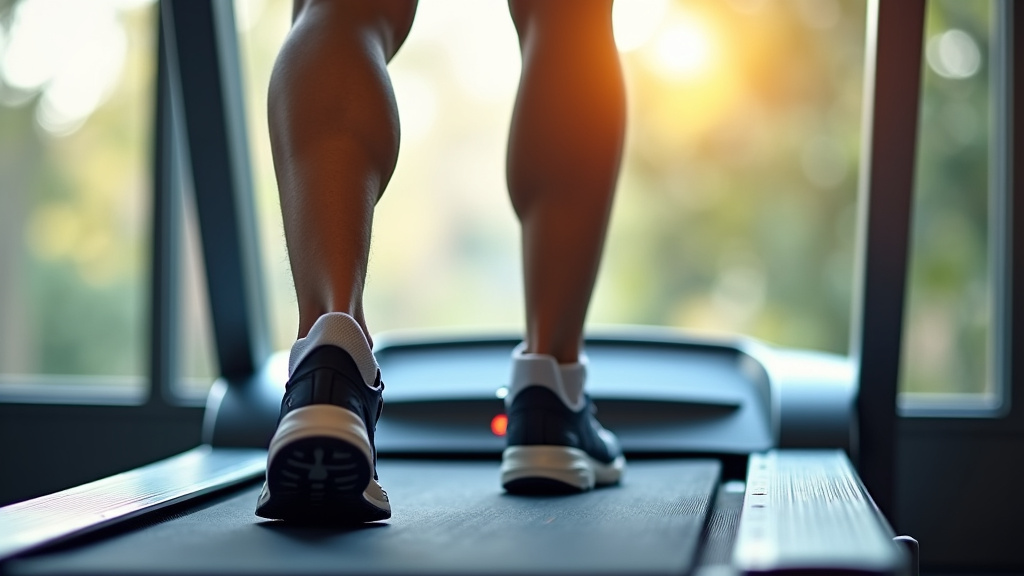
Motor Power and Incline/Speed Range
Beyond the physical build, you need to consider performance. The motor power and the range of incline and speed are essential. These features ensure the treadmill can keep up with your demands. They help make your training varied and effective. We found that a powerful motor is crucial for smooth operation. It prevents the belt from slowing down when you step on it.
Motor Horsepower (HP) Explained
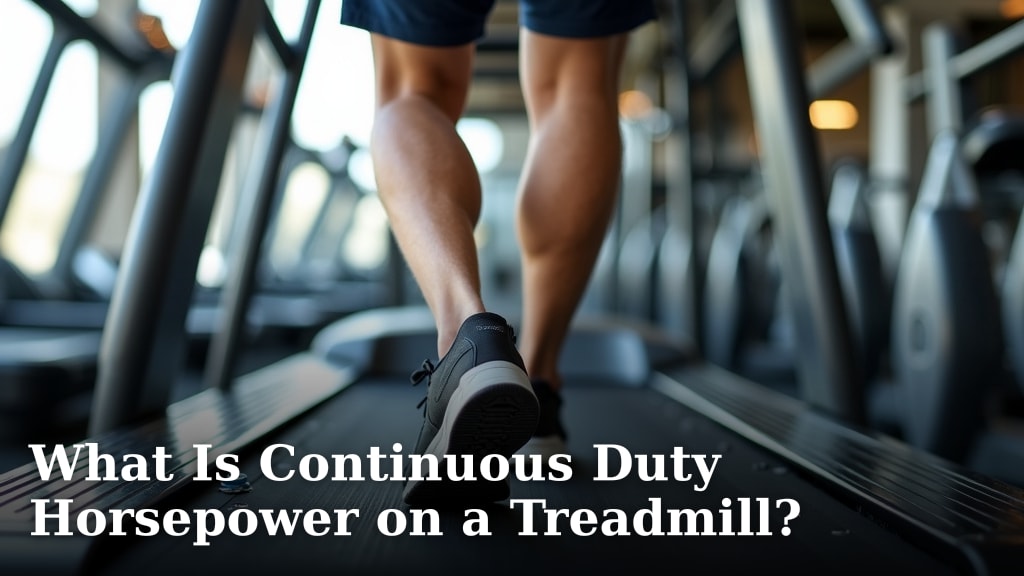
Treadmill motors are measured in horsepower (HP). For walking, 1.5 to 2.0 HP might be enough. For running, especially for taller runners with longer strides, you need more. We found that a 3.0 HP motor is generally recommended for running. Some tall runners might even benefit from a 3.5 HP or 4.0 HP motor. This is especially true if you plan to run at higher speeds or for extended periods. A continuous duty HP rating is more important than a peak rating.
Incline and Speed Capabilities
Think about your training goals. Do you want to simulate hills? Do you need to sprint? Look at the maximum incline percentage and the maximum speed. Most treadmills offer at least 10-15% incline. Many reach speeds of 10-12 mph. For tall runners who might be pushing their pace, ensure the top speed is sufficient. A good incline range adds variety. It helps build strength and endurance. We found that models with a wider range of speeds and inclines offer more training options.
Additional Features to Consider
Once you’ve covered the basics, think about other features. These can enhance your workout experience. They might include things like workout programs, connectivity, and comfort features. We found that while not as critical as belt length or sturdiness, these can make a difference.
Workout Programs and Connectivity
Many treadmills come with pre-set workout programs. These can offer structured training. They might simulate hills, intervals, or endurance runs. Connectivity is also a big trend. Many machines connect to fitness apps. This allows you to track your progress. You can sync data to your phone. We found that some runners love this data tracking. Others prefer a simpler machine. Consider what motivates you.
Comfort and Convenience
Look for features that make your workout more pleasant. Things like built-in fans can be nice. A water bottle holder is a must-have. Tablet holders are common too. This lets you watch shows or follow along with programs. For taller individuals, ensure the console height is comfortable. You don’t want to be craning your neck. We found that user interface design matters. Is the screen easy to read? Are the controls intuitive?
Here’s a quick checklist to help you narrow down your choices:- Belt Length: Aim for 60 inches or more.
- Cushioning: Look for good shock absorption.
- Frame: Check for a sturdy build and high weight capacity.
- Motor: A 3.0 HP or higher motor is recommended for running.
- Incline/Speed: Ensure the range meets your training needs.
- User Reviews: See what other tall runners are saying.
Conclusion
Choosing the right treadmill as a tall runner doesn’t have to be complicated. You’ve learned that a longer belt is your top priority. Don’t forget to consider deck cushioning for joint comfort and a sturdy frame for stability. These core features ensure your runs are safe and enjoyable. We’ve researched what matters most for your stride. Now you’re ready to find a machine that truly supports your fitness goals. Take your time, compare models using our checklist, and you’ll find the perfect treadmill for your home gym.
Frequently Asked Questions
How much extra belt length do I really need if I’m over 6’2″?
If you’re over 6’2″, we found that aiming for a belt length of 62 to 65 inches is often best. This provides ample space for your longer stride. It helps prevent you from feeling cramped or worried about stepping off the back.
Are commercial-grade treadmills better for tall runners?
Commercial-grade treadmills are often built with longer belts and sturdier frames. We found they are designed for heavier use and can be a great option. However, they can also be more expensive and take up more space in your home.
What if I can’t try a treadmill before buying?
If you can’t test a treadmill in person, rely on detailed specifications and user reviews. Look for explicit mentions of belt length and cushioning systems. We found that other tall runners often share their experiences in reviews, which can be very helpful.
Can a treadmill with a shorter belt still work for me if I run slowly?
Even at slower speeds, a longer stride can still be an issue on a short belt. We found that for most runners over 6 feet, a belt of at least 60 inches is recommended for comfort. For very slow jogging or walking, a slightly shorter belt might be acceptable, but it’s still a compromise.
How important is motor horsepower for a tall runner?
Motor horsepower is quite important for taller runners, especially if you plan to run. We found that a 3.0 HP motor is a good starting point for running. A higher HP ensures the motor won’t strain, providing a smoother and more consistent experience, even with a longer stride.