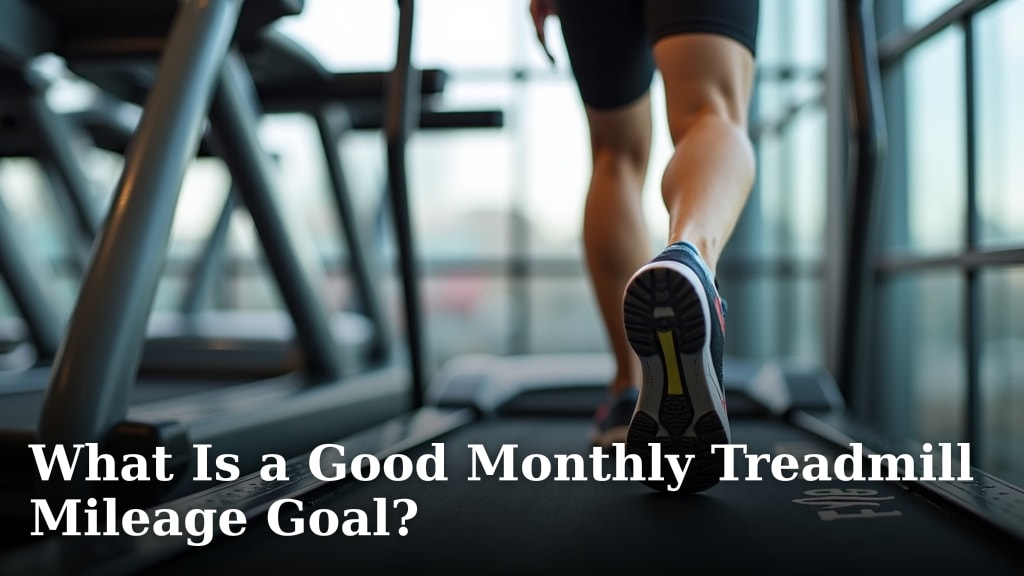
How to Run Properly on a Treadmill?
On this page (6 sections)
To run properly on a treadmill, you should maintain a natural stride, look straight ahead, and avoid gripping the handrails. Focus on your posture as if you were running outside, which helps prevent common treadmills related injuries.
Many new treadmill users worry about falling or losing their balance. We understand that feeling! But with a few simple adjustments, you can make your treadmill run just as effective and safe as outdoor running. It’s all about body mechanics and mindful movement.
- Maintain proper posture.
- Look forward, not down.
- Avoid gripping handrails.
- Start slow and adjust speed gradually.
Ready to master your indoor run? Let’s walk through exactly how to set yourself up for success and feel great on the treadmill.
Mastering Your Treadmill Stride
Learning to run well on a treadmill means finding your natural rhythm and form. It’s about bringing your outdoor running mechanics indoors, even though the surface moves under you. Many people find it harder than outdoor running because of the moving belt and lack of varied terrain, but with practice, it can feel just as good.
Setting Up for Success: Before You Even Start
A good run begins before your feet hit the belt. Your environment and equipment play a big role in your comfort and safety. Think of it like preparing for a long drive; you check your car first.
Choosing Your Attire and Footwear
What you wear matters more than you might think. Opt for light, breathable fabrics that wick away sweat. This helps regulate your body temperature, especially since indoor spaces can sometimes feel warmer than outside.
- Running shoes: Pick shoes designed for running. They offer the right cushioning and support for repetitive motion.
- Socks: Wear moisture-wicking socks to prevent blisters. Cotton socks can trap sweat, leading to discomfort.
- Comfortable clothes: Choose apparel that allows a full range of motion. Avoid anything too baggy that could snag.
Treadmill Placement and Environment
Your surroundings can impact your focus and enjoyment. A well-placed treadmill can make your workout more pleasant and safer. We’ve found that proper ventilation is key to a comfortable workout.
- Clear space: Ensure there’s enough room around the treadmill. You don’t want to bump into anything if you stumble.
- Good ventilation: Position the treadmill in a well-ventilated area. A fan can also help keep you cool and mimic outdoor airflow.
- Hydration station: Have a water bottle within easy reach. Staying hydrated is crucial for any workout.
- Entertainment: Consider placing it in front of a TV or window. This helps distract you and makes the time pass more quickly.
Starting Your Treadmill Run Safely
The first few moments on a treadmill are when many people feel most anxious. Going from standing still to running on a moving belt requires a gentle approach. Think of it as easing into a swimming pool rather than jumping straight in.
Stepping On and Warming Up
Don’t be afraid to take your time. There’s no rush to hit top speed. A proper warm-up prepares your muscles and gets your heart rate up gradually, reducing injury risk.
The “Straddle and Start” Method
This approach gives you control right from the start. It removes the stress of trying to time your steps with a moving belt. Many runners use this technique to feel secure.
- Stand on the side rails: Straddle the belt with one foot on each side rail.
- Start the belt slowly: Set the speed to a very slow walk (0.5 to 1.5 mph).
- Step on: Once the belt is moving, gently step onto it, one foot at a time.
- Gradual increase: Slowly increase the speed to a comfortable walking pace.
The Importance of a Dynamic Warm-up
A warm-up is like stretching before you stretch. It gets your body ready for the activity to come. A few minutes invested here can prevent muscle strains later on (American Council on Exercise).
- 5-10 minutes walking: Start with a gentle walk, gradually increasing speed.
- Light jogging: Move into a light jog for a few minutes.
- Dynamic stretches: Consider leg swings, arm circles, or torso twists off the treadmill before you even step on it.
Maintaining Proper Running Form on the Treadmill
Good form is your best friend when running, whether indoors or out. It helps you run efficiently and prevent injuries. Many experts agree that focusing on your posture is paramount (Mayo Clinic).
Posture and Body Alignment
Imagine a string pulling you upward from the top of your head. This image can help you maintain an upright, natural posture. Avoid slumping or leaning forward too much.
Head Position and Gaze
Where you look affects your balance and overall alignment. Try to keep your gaze steady and forward.
- Look ahead: Keep your eyes focused about 10-20 feet in front of you.
- Avoid looking down: Looking at your feet or the console can strain your neck and throw off your balance.
- Relax your neck: Keep your neck and shoulders relaxed, not hunched.
Shoulders, Arms, and Hands
Your upper body plays a crucial role in maintaining balance and propelling you forward. We’ve found that keeping your arms loose helps a lot.
- Relaxed shoulders: Keep your shoulders down and back, not hunched up by your ears.
- Bent elbows: Maintain a roughly 90-degree bend in your elbows.
- Fore-aft swing: Let your arms swing naturally forward and backward, not side to side.
- Loose hands: Keep your hands gently cupped, not clenched fists.
- Avoid handrails: This is a big one! Holding the handrails can throw off your natural stride and balance. It decreases the workout’s effectiveness and makes you rely on them.
Lower Body Mechanics: Legs and Feet
The way your legs and feet interact with the moving belt is fundamental. Aim for a light, quick stride rather than heavy, pounding steps.
Foot Strike and Stride Length
Your foot should land mostly under your body, not too far in front. This prevents overstriding, which can be hard on your joints.
- Midfoot strike: Aim to land gently on your midfoot, rather than your heel or toes.
- Under your hips: Your foot should land almost directly underneath your hips.
- Shorter strides: Take shorter, quicker steps. This is often more efficient on a treadmill than long, loping strides.
- Natural foot movement: Let your foot roll naturally from impact through toe-off.
Knee Drive and Cadence
Your knees should rise naturally with each step. Cadence is how many steps you take per minute; higher cadence often means less impact.
- Gentle knee lift: Don’t try to lift your knees too high. Let them come up naturally.
- Quick turnover: Focus on a quicker leg turnover (cadence) rather than pushing off hard. This often feels lighter and smoother.
- Listen to your body: Pay attention to how your body feels. If something hurts, adjust your form.

Speed, Incline, and Workout Variations
Once you’re comfortable with your form, you can start exploring different workout options. Treadmills offer great versatility for varying your routine without changing locations.
Adjusting Speed and Incline Gradually
Don’t be afraid to play around with these settings. However, always make changes slowly. Sudden changes can throw you off balance.
Finding Your “Sweet Spot” Speed
Your ideal speed will allow you to maintain good form without feeling out of control. It’s a balance between challenge and comfort.
We suggest using the “talk test.” If you can carry on a conversation, it’s a moderate pace. If you’re too winded to speak, it’s an intense pace. Use this to guide your speed adjustments.
When increasing speed, do it in small increments (0.1 to 0.5 mph). Give your body time to adjust to each new pace before going faster. This helps prevent stumbles.
Leveraging Incline for a Better Workout
The incline feature is a powerful tool to mimic outdoor running. It can make your workout more challenging without increasing your speed too much.
- Mimic hills: Use incline to simulate uphill running. This engages different muscle groups.
- Reduce impact: Running on an incline can sometimes feel easier on your joints than running flat.
- Start small: Begin with a 1-2% incline. Many experts suggest this slight incline helps balance the natural resistance lost by the moving belt, making it feel more like outdoor running.
- Gradual increases: Just like speed, increase incline gradually (0.5% at a time).
Varying Your Workout Routine
The treadmill isn’t just for steady-state running. You can design various workouts to keep things interesting and challenge your body in new ways.
Interval Training
Intervals involve alternating between periods of high intensity and low intensity. This is great for boosting fitness and burning calories.
For example, you might run fast for one minute, then walk for two minutes, and repeat. This type of workout keeps your body guessing and improves endurance (National Institutes of Health).
You can adjust the speed, incline, or both during your intervals. Make sure to have a good warm-up and cool-down for any interval session.
Simulated Race Paces or Long Runs
The treadmill is excellent for practicing specific race paces in a controlled environment. It’s also perfect for long, steady runs, especially when outdoor conditions aren’t ideal.
If you’re training for a 5K, you can practice your target pace. If you’re building endurance, use the treadmill for your extended runs. Just remember to stay hydrated, even when running indoors.
Here’s a quick checklist to help ensure you’re on the right track:
| Aspect | Good Treadmill Form | What to Avoid |
|---|---|---|
| Head | Looking straight ahead, relaxed neck | Looking down at feet or console |
| Shoulders | Relaxed, down and back | Hunched, tight, shrugged up |
| Arms | Bent at 90 degrees, natural swing | Arms locked, swinging across body, holding rails |
| Hands | Loosely cupped, not clenched | Tight fists, gripping rails |
| Core | Engaged, upright posture | Slumped, leaning forward |
| Feet | Midfoot strike, light landing | Heavy heel strike, overstriding |
Conclusion
You now have all the tools to make your treadmill runs comfortable and effective. By focusing on proper form, gradual adjustments, and mindful movement, you can transform your indoor running experience. Remember to dress appropriately, warm up thoroughly, and pay attention to your body’s signals.
Running properly on a treadmill isn’t just about speed or distance; it’s about building a sustainable and injury-free practice. You’ll gain confidence and enjoy your workouts more. So go ahead, step onto that belt with a new understanding, and make every stride count!
Frequently Asked Questions
Is running on a treadmill better or worse for your knees?
Running on a treadmill is often gentler on your knees compared to outdoor running on hard surfaces like asphalt or concrete. The treadmill belt provides more shock absorption. Proper form, like landing softly on your midfoot, also helps reduce impact.
Should I always use an incline on a treadmill?
You don’t need to use an incline constantly, but it offers great benefits. A slight 1-2% incline can better simulate outdoor running and engage different muscles. Incorporating incline variations keeps your workouts challenging and productive.
How can I stop getting bored on the treadmill?
Vary your workouts by trying interval training or different inclines. Distract yourself with music, podcasts, or by watching a show or movie. Setting achievable goals and focusing on your form can also help keep you engaged.
How long should a beginner run on a treadmill?
As a beginner, start with 20-30 minute sessions, including a warm-up and cool-down. Focus on brisk walking mixed with short jogging intervals. Gradually increase your jogging time as your stamina improves, always listening to your body.
Can I wear normal athletic shoes on a treadmill?
While you can use normal athletic shoes, dedicated running shoes are best. Running shoes are designed with specific cushioning and support to handle the repetitive impact of running. This helps prevent discomfort and potential injuries during your treadmill workouts.