How to Store a Treadmill in a Small Space?
On this page (9 sections)
- Clever Ways to Stash Your Treadmill in a Small Home
- Choosing the Right Treadmill for Tight Spaces
- Maximizing Vertical Space for Storage
- Strategic Placement and Furniture Integration
- Keeping the Storage Area Tidy and Accessible
- When to Consider Disassembly (Use with Caution)
- A Quick Checklist for Smart Treadmill Storage
- Conclusion
- Frequently Asked Questions
You can definitely store a treadmill in a small space with a few smart strategies. Many folding treadmills are designed specifically for this purpose, making them a great option for apartments or compact homes. Even non-folding models can be stored cleverly if you plan ahead and consider your room’s layout.
Storing your treadmill is key to reclaiming your living area and keeping your home clutter-free. Don’t let your exercise equipment become a permanent fixture in your main walkway! We found that thinking about vertical space and furniture placement can make a big difference in how much room you actually have.
- Look for folding treadmills.
- Store it vertically if possible.
- Use furniture to hide it.
- Keep the area tidy.
- Consider a treadmill mat.
Let’s walk through exactly how you can make your treadmill disappear (almost!) when it’s not in use. We’ve gathered some of the most effective methods.
Clever Ways to Stash Your Treadmill in a Small Home
So, you’ve got a treadmill but live in a cozy spot. Don’t worry, you can absolutely make it work! Storing your treadmill doesn’t have to mean sacrificing precious living space. We’ve gathered some clever techniques that can help you reclaim your room.
The goal is to make your treadmill practically invisible when it’s not in use. You want to be able to walk through your home without a second thought. Let’s explore some smart storage solutions.
Choosing the Right Treadmill for Tight Spaces
If you’re still in the market for a treadmill, or thinking about an upgrade, your first step should be looking at models designed for small spaces. This is arguably the most impactful decision you can make.
The Magic of Folding Treadmills
Folding treadmills are the champions of small-space storage. They’re engineered with convenience in mind. Many models feature hydraulic systems that help lift and lower the deck smoothly and safely.
When folded, these treadmills take up a fraction of their operational footprint. They often stand vertically, resembling a slim piece of furniture. This vertical storage is a game-changer for apartments and condos.
Consider Treadmill Size and Weight
Beyond the folding mechanism, think about the overall dimensions. Some folding treadmills are still quite large, even when collapsed. You’ll want to measure your available space carefully.
Also, consider the treadmill’s weight. If you plan to move it frequently for storage, a lighter model might be more manageable. Some come with built-in transport wheels, which are a huge help.
Maximizing Vertical Space for Storage
Once you have your treadmill, or if you have a non-folding model, think vertically. Walls are your friends when space is limited. This is where you can get really creative.
The Classic Vertical Stand
Many folding treadmills are designed to stand upright on their own. This is the most common and often the easiest method. You simply fold the deck up, lock it into place, and let it stand against a wall.
Where should you position it? A corner is often a good spot. It keeps the treadmill out of the main traffic flow. Make sure it’s stable and won’t accidentally tip over. We found that securing it with a wall anchor, like those used for furniture, adds an extra layer of safety, especially if you have kids or pets.
Wall-Mounted Storage Solutions (for specific types)
While not common for standard treadmills, some very compact or specialized fitness equipment might have wall-mounting options. This is less about traditional treadmills and more about space-saving designs.
For most home treadmills, however, the vertical stand is the go-to. If you’re struggling with stability, a sturdy wall strap can be a simple and effective solution. It prevents any wobbling or shifting.
Strategic Placement and Furniture Integration
Sometimes, you can use your existing furniture to your advantage. Blending the treadmill into your room’s layout can make it less obtrusive.
Hiding Behind Furniture
Can you slide your treadmill behind a sofa or a large cabinet? If your treadmill is slim enough when folded, this might work. You’ll need to ensure there’s enough clearance for the treadmill’s height and depth.
This method is great for truly hiding the equipment. It makes your living area look much tidier. We found that measuring your furniture’s depth and height is key before attempting this. You don’t want to damage your furniture or the treadmill.
Utilizing Room Corners
As mentioned before, corners are prime real estate in small spaces. A treadmill tucked into a corner can become almost part of the room’s structure. It feels less like an interruption.
Consider placing it in a corner of a spare room, a home office, or even a large closet if accessible. This keeps it out of sight and out of mind until you need it. Just ensure there’s enough room to unfold and use it safely.
Keeping the Storage Area Tidy and Accessible
No matter where you store your treadmill, organization is key. A cluttered area around your treadmill can make your whole space feel chaotic.
The Power of a Treadmill Mat
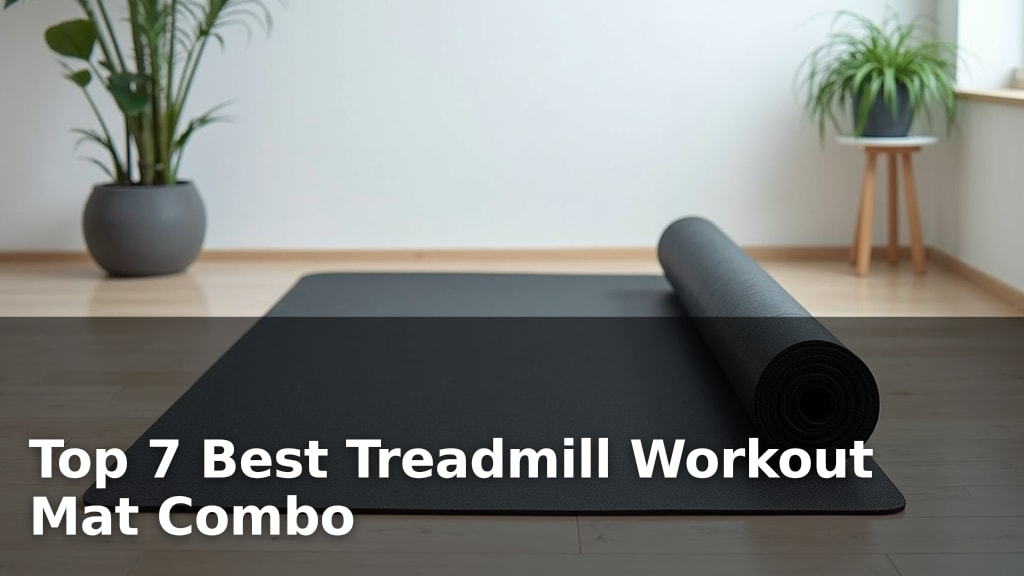
Using a treadmill mat is a must, even when storing. It protects your floors from scratches and helps dampen noise. When the treadmill is stored vertically, the mat can often be stored underneath or placed neatly beside it.
Some mats are designed to roll up easily. This makes them simple to store alongside the treadmill. Keeping the mat with the machine ensures you have it ready whenever you want to use it, and it also keeps the storage area tidy.
Decluttering the Immediate Vicinity
Don’t let workout accessories pile up around your stored treadmill. Keep weights, resistance bands, and other gear neatly stored in baskets or shelves nearby. This prevents the treadmill area from becoming a dumping ground.
We found that a simple storage ottoman or a small shelving unit can work wonders. It keeps everything contained and easily accessible. A clean storage spot makes the whole process feel less like a chore.
When to Consider Disassembly (Use with Caution)
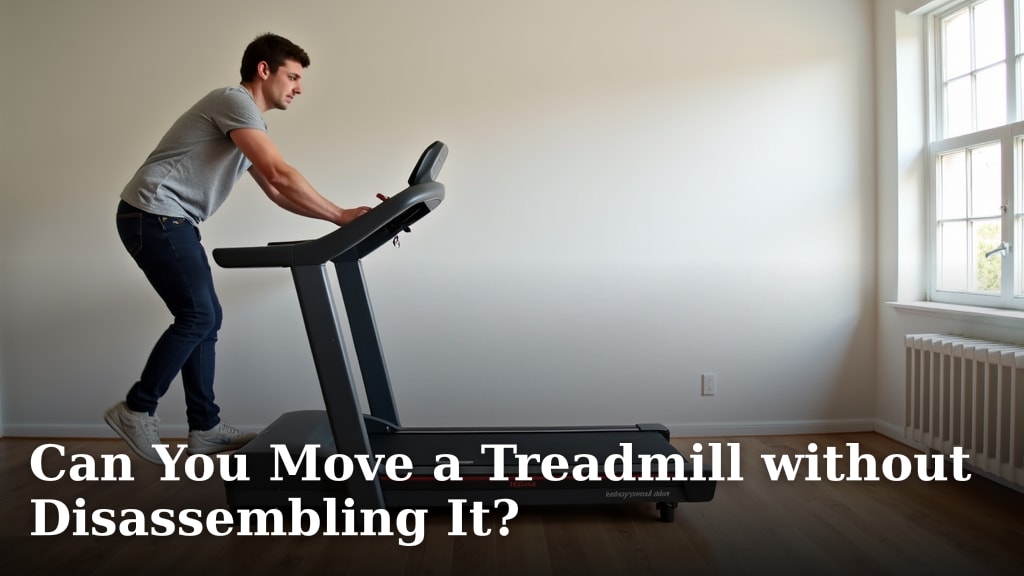
For extremely limited spaces or if you need to move the treadmill a significant distance, partial disassembly might be an option. This is typically a last resort and requires care.
Removing Detachable Parts
Some treadmills have detachable components, like the console or armrests. Removing these can make the main frame more compact for storage. Always consult your treadmill’s manual before attempting any disassembly.
Reassembling can take time, so this is best for long-term storage. You’ll need a safe place to store the removed parts. Make sure you have all necessary tools and instructions for reassembly. Many experts suggest this is for situations where the treadmill might be in storage for months at a time (NIH).
Securing Removable Parts
If you do remove parts, store them safely to prevent loss or damage. Use original packaging if possible. Label everything clearly so you know what goes where during reassembly. Keep screws and small pieces in labeled bags.
This is a more involved process, so it’s not ideal for daily use. It’s more for when you absolutely need to minimize the footprint for an extended period. We found that keeping a log of the disassembly steps can be incredibly helpful.
A Quick Checklist for Smart Treadmill Storage
Ready to get your treadmill stored away? Here’s a handy checklist to guide you:
- Ensure your treadmill is clean and dry.
- If it’s a folding model, engage the locking mechanism securely.
- Position the treadmill vertically against a wall or in a corner.
- Use a treadmill mat underneath or stored neatly nearby.
- Clear any clutter from the immediate storage area.
- Check for stability and consider wall anchors if needed.
Conclusion
Storing your treadmill in a small space is totally achievable with the right approach. You’ve learned that choosing a folding treadmill is your best bet for maximum space-saving. If you have a non-folding model, maximizing vertical space and strategically placing it behind furniture are fantastic options. Remember to keep the area tidy with a mat and decluttering.
By implementing these clever storage solutions, you can enjoy your treadmill without it dominating your living area. Your next step is to measure your space and decide which method best fits your home and your treadmill model. Get ready to reclaim that floor space!
Frequently Asked Questions
Can I store a non-folding treadmill vertically?
Yes, you can often store non-folding treadmills vertically, but it requires caution. Ensure the treadmill is stable and securely positioned against a wall or in a corner. We’ve found that using wall straps or anchors adds essential safety, especially if you have kids or pets around.
How do I protect my floor when storing a treadmill vertically?
A treadmill mat is your best friend here. It protects your floors from scratches and can help keep the treadmill stable. When stored vertically, you can often place the mat underneath the standing treadmill or store it neatly beside it.
What if my treadmill is too heavy to move for storage?
If your treadmill is very heavy and doesn’t fold or have wheels, consider dedicating a specific corner or space for it. You can then use furniture or decorative screens to visually “hide” it when not in use. Planning this permanent spot is key to minimizing disruption.
Is it safe to store a treadmill in a damp area like a garage?
We advise against storing treadmills in damp areas like garages or basements if possible. Moisture can damage the electronic components and metal parts of your treadmill, leading to rust or malfunction. A climate-controlled indoor space is always preferable for longevity.
How often should I clean my treadmill before storing it?
It’s best to give your treadmill a quick clean before each storage session. Wipe down the deck, console, and frame to remove sweat and dust. This not only keeps it hygienic but also prevents grime from accumulating and potentially causing issues during longer storage periods.