How to Recalibrate a Garmin Epix for Treadmill Runs
To recalibrate a Garmin Epix for treadmill runs, start an Indoor Run, complete at least 1 mile, save the activity, and enter the treadmill's distance when prompted. Repeat the process when your pace, stride, or running conditions change.
On this page (7 sections)
- How do you recalibrate a Garmin Epix on a treadmill?
- What should you do before starting the calibration run?
- How long should you run before calibrating?
- What if Garmin treadmill calibration is not working?
- Should you use other fitness equipment during the run?
- How can you improve future Garmin Epix treadmill distance?
- When should you recalibrate instead of changing your workout?
To recalibrate a Garmin Epix for treadmill runs, start an Indoor Run, complete at least 1 mile, save the activity, and enter the treadmill's distance when prompted.
Use a steady pace throughout that first mile.
Keep your normal arm swing so the watch can connect wrist movement with distance.
Run at the pace you plan to use for most indoor sessions.
Avoid sudden changes in speed during the calibration run.
Do not hold the rails unless you need to for safety.
Keep the watch snug enough that it does not bounce on your wrist.
Make sure the treadmill belt moves smoothly before you begin.
Read the treadmill display clearly so you can enter the correct distance later.
Stop the treadmill and the watch at the same point when you finish.
Save the activity before looking for the calibration option.
Enter the distance shown by the treadmill, not a distance from memory.
The Epix estimates indoor distance without GPS support.
It relies on wrist movement and your stored running profile instead.
That estimate can differ from the treadmill for several normal reasons.
Changing pace can alter how the watch reads each stride.
Holding the rails reduces arm movement and changes the estimate.
Shortening your stride can also change the pattern the watch expects.
Using a different running form indoors may create a mismatch.
These differences do not always mean the watch is faulty.
Calibration simply gives the watch a closer indoor reference point.
A steady and representative run gives the best reference to use.
After calibrating, compare the next few runs before making another change.
How do you recalibrate a Garmin Epix on a treadmill?
Run at your normal indoor pace, save the activity, and use the treadmill distance as the calibration reference. The exact menu wording can vary by Epix model and software version, but the process follows the same pattern.
- Place the Garmin Epix securely on your wrist.
- Choose the Indoor Run or Treadmill activity.
- Start the activity after the treadmill begins moving.
- Run at least 1 mile at a steady, natural pace.
- Stop the watch and stop the treadmill.
- Save the activity.
- Choose the calibration option if the watch displays it.
- Enter the distance shown on the treadmill.
Don't estimate the distance from memory. Read the treadmill display before ending the session, and use that number when the watch asks for the actual distance.
If the watch doesn't offer calibration after saving, check whether the activity was started as an indoor running profile. For related Garmin steps, see how to recalibrate track run garmin.
What should you do before starting the calibration run?
Use a treadmill that is running smoothly, choose a familiar pace, and keep your hands free from the rails. Calibration is more useful when the treadmill and your running motion remain consistent.
Warm up before the calibration distance if you need to. A sudden change from walking to sprinting can make the activity less representative of your usual treadmill runs.
Keep the watch snug enough that it doesn't move around your wrist. Let your arms swing normally, especially if you usually run without touching the console.
Avoid holding the handrails unless you need them for safety. Rail use changes arm movement, which can affect an estimate based partly on wrist motion.
If you use a chest strap for heart rate, a compatible option is the Polar Pro Chest Strap, which uses a soft strap and works with Polar heart rate sensors, fitness trackers, smartwatches, and gym equipment supporting Polar's technology.
The Polar Pro Chest Strap is made from elasticized fabric with 38% polyamide, 29% polyurethane, 20% elastane, and 13% polyester. It is a heart rate belt, not a distance-calibration tool, so it won't replace the treadmill distance step.
How long should you run before calibrating?
Run at least 1 mile before saving the activity and calibrating the Epix. A longer, steady indoor run can give the watch more consistent movement data than a very short test.
Use the pace you normally expect to repeat. If you calibrate while walking or sprinting but usually jog, the result may not match your regular treadmill sessions.
Don't change speed repeatedly during the calibration run. Intervals can be useful workouts, but they make a less consistent reference for a distance estimate based on your movement.
The treadmill display is the comparison point for this process. If the belt is slipping, the treadmill speed is unstable, or the machine needs service, calibration cannot make its distance reliable.
For a broader Garmin comparison, read how to recalibrate a Garmin Enduro 3 for treadmill run.
What if Garmin treadmill calibration is not working?
If calibration doesn't appear, confirm that you saved an Indoor Run activity and completed enough distance. Then repeat the process with a steady pace and normal arm movement.
Check that you stopped and saved the activity rather than discarding it. A discarded activity cannot provide the treadmill distance needed for calibration.
Also check whether the watch is using the correct activity profile. If a saved run was assigned to the treadmill profile by mistake, see how to fix a Garmin run saved as treadmill.
Starting a general Run activity indoors may not produce the same calibration prompt as an Indoor Run or Treadmill profile.
If the watch and treadmill still disagree after another careful attempt, see why Garmin treadmill calibration not working. That guide can help you separate a watch setting issue from a treadmill problem.
Avoid calibrating after a session where you spent much of the time holding the rails. The watch may learn movement that doesn't represent your normal running form.
Should you use other fitness equipment during the run?
Use other equipment only when it helps you monitor the workout without changing your running form. A heart rate monitor, for example, can show heart rate separately while the Epix handles the activity.
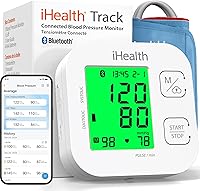
The iHealth Track Smart Upper Arm Blood Pressure Monitor with Wide-Range Cuff is for blood pressure checks, not treadmill distance. It has 2-button operation, a large multi-color backlit display, storage for up to 99 readings, and a wide-range cuff for upper arms measuring 8.7 to 16.5 in.
The iHealth Track includes 4 AAA batteries, an instruction manual, and a wide-range cuff. It can manage unlimited readings through iHealth's free iOS and Android applications when used with compatible phone requirements, but it doesn't calibrate a Garmin watch.
The Zacurate Pro Series 500DL Fingertip Pulse Oximeter Blood Oxygen Saturation Monitor with Silicone Cover, Batteries and Lanyard (Mystic Purple) measures SpO2, pulse rate, and pulse strength. It is intended for sports and aviation use, works for ages 12 and above, and has a display that faces the user.
The Zacurate 500DL includes 2 AAA batteries, a silicone cover, a lanyard, and a manual. Its stated measuring range is 70% to 100% SpO2, with measurement accuracy of +/-2%, so it is separate from the Epix's treadmill-distance calibration.
How can you improve future Garmin Epix treadmill distance?
Repeat the same running pattern and recalibrate only when the difference stays consistent. One unusual workout does not always mean the watch needs a new calibration.
Keep your pace steady during the first calibration mile. Use a similar wrist position and avoid holding the rails when you compare future sessions.
If you run on several treadmills, compare the Epix with each machine carefully. Different belt conditions and speed settings can produce different results, so one calibration may not match every treadmill.
A watch estimate also cannot confirm that a treadmill's belt distance is correct. If the treadmill behaves unevenly or shows a large difference from another distance reference, have the machine checked according to its instructions.
For another Garmin model, see how to recalibrate Garmin 235 to treadmill. The menus differ by watch family, but the core idea remains the same: complete a steady indoor run and use the treadmill distance as the reference.
When should you recalibrate instead of changing your workout?
Recalibrate when the distance difference repeats across normal treadmill runs.
Do not change the calibration because of a single short workout.
A session with frequent speed changes can also give a misleading result.
A run where you held the rails may not match your usual form.
One unusual session rarely proves that a new calibration is needed.
Look for the same gap across several steady and familiar sessions.
Consider whether your pace or stride has changed in recent weeks.
Consider whether you have moved to a different treadmill for training.
A different machine can present a different distance pattern to the watch.
If the gap appears every time under similar conditions, recalibration may help.
If the gap appears only once, keep your current setting and observe again.
Use runs that reflect how you normally train indoors for your comparison.
Walking breaks, intervals, and rail holding can all distort the comparison.
Keep your setup consistent when you judge whether a change is needed.
If you struggle to maintain a normal indoor run, Can't Run On Treadmill? covers common setup and comfort issues that can affect your form.
Comfort and posture can affect both treadmill use and watch readings.
For planning the workout itself, How Long Do You Run On A Treadmill? can help you choose a session length before you calibrate.
A slightly longer steady session can provide a more useful reference.
The main rule is simple: recalibrate with a steady indoor run, a normal arm swing, and the treadmill's displayed distance.
Choose the calibration option after saving the activity.
Then check the next few runs before repeating the process.
Frequently asked questions
How do I recalibrate my Garmin Epix on a treadmill?
Start an Indoor Run activity and run at least 1 mile at a steady pace. Stop and save the activity, then choose the calibration option if it appears and enter the distance shown by the treadmill.
Use the treadmill distance as the reference, then check future runs for a closer match.
Why is my Garmin Epix treadmill distance wrong?
A Garmin Epix estimates indoor distance from wrist movement and your stored running profile because GPS is unavailable. Differences can come from an unsteady pace, changed stride, hand position, holding the rails, or a treadmill that needs service.
Recalibration helps the watch adjust to your indoor running pattern.
Can I recalibrate a Garmin Epix without GPS?
Yes. Treadmill calibration uses the distance shown by the treadmill rather than GPS.
Start an Indoor Run, complete a meaningful distance at your usual pace, save the activity, and enter the treadmill distance when the watch offers calibration.
GPS is not required for this indoor process.
How often should I recalibrate my Garmin Epix for treadmill runs?
Recalibrate when the watch and treadmill differ consistently, after a major change in pace or stride, or when you begin using a different treadmill. You don't need to recalibrate every workout.
Use similar running conditions and a steady pace so the watch receives a useful distance reference.