How to Recalibrate Garmin 235 to Treadmill
You can recalibrate a Garmin Forerunner 235 for treadmill runs after saving an indoor run. The watch can correct the recorded distance, but it cannot make treadmill data as exact as a measured outdoor GPS route every time.
On this page (8 sections)
- How do you recalibrate a Garmin 235 to a treadmill?
- What does Garmin 235 treadmill calibration actually change?
- How long should you run before calibrating?
- Can a Garmin 235 be recalibrated without a treadmill?
- Which tools help you monitor an indoor workout?
- What if Garmin 235 calibration still seems wrong?
- Should you use a foot pod with a Garmin 235?
- What is the simplest decision for Garmin 235 treadmill runs?
You can recalibrate a Garmin Forerunner 235 for treadmill runs after saving an indoor run. The watch lets you correct the recorded distance by entering the treadmill's distance, but the result remains an estimate because GPS does not measure your indoor belt movement.
This matters most when the gap is consistent rather than occasional.
If the watch records a little less than the treadmill every time, a correction can bring future indoor runs closer to the belt reading.
If the gap changes direction from run to run, the cause is probably pace, arm movement, or interruptions rather than a single calibration factor.
For that reason, the calibration run should feel ordinary.
Use a pace you can hold without repeated changes.
Keep your arms relaxed and swinging in the way they do outdoors.
Avoid holding the rails, because the watch relies on wrist motion when it has no GPS signal.
Holding on reduces that motion while your feet keep moving.
The watch then sees less movement than the distance covered.
It is also worth checking the units before you save.
Make sure the watch and treadmill use the same measure for distance.
A mismatch in units can create a correction that looks wrong from the start.
Once the run is saved, apply the correction straight away.
That keeps the treadmill figure fresh and avoids relying on memory.
Enter the distance shown by the treadmill, not a rounded guess.
A longer run also makes the comparison easier to judge.
Over a short effort, a small difference can look larger than it really is.
Over a steady and longer effort, the pattern is clearer.
Afterward, compare the next few indoor runs before changing anything again.
One corrected run helps, but a repeated pattern tells you more.
Treat the result as an indoor estimate, not a perfect measure.
It should suit most runners who train indoors on a regular basis.
It works best when your treadmill pace and arm swing stay fairly consistent.
How do you recalibrate a Garmin 235 to a treadmill?
Run indoors, save the activity, select the calibration option, and enter the treadmill distance. Use the same units on both devices and enter the distance shown by the treadmill at the end of the run.
A practical sequence is:
- Start an indoor run activity on the Forerunner 235.
- Run at a steady pace while keeping your normal arm swing.
- Stop the activity when the treadmill reaches a useful distance.
- Save the activity instead of discarding it.
- Choose the option to calibrate the distance.
- Enter the treadmill's displayed distance and confirm.
The exact menu wording can vary with software version. Garmin's Forerunner 235 owner's manual is the best place to confirm the button sequence for your watch.
What does Garmin 235 treadmill calibration actually change?
Calibration corrects the indoor distance estimate; it does not recalibrate the treadmill belt. The watch uses your movement pattern to estimate distance when GPS is unavailable, so the correction is most useful when your pace and arm motion are similar to the calibration run.
A correction may help if the watch consistently records too little or too much distance. It won't remove every difference because treadmill speed, incline, arm position, and walking breaks can change the relationship between wrist motion and belt distance.
If the watch stops recording the expected distance, see why Garmin treadmill calibration not working for checks involving the activity mode, arm movement, and the saved workout.
Can holding the treadmill rails affect Garmin 235 distance?
Yes, holding the rails can make the Garmin 235 distance less reliable. Your wrist moves less while your feet continue moving, so the watch receives a different motion pattern from the one used during normal running.
Keep your arms relaxed when it is safe. If you must hold the rails for balance, treat that section as a reason the final distance may need more correction.
How long should you run before calibrating?
A longer, steady run usually gives you a better calibration opportunity than a very short effort. Use enough distance for the difference between the watch and treadmill to be clear, while staying at a pace you can hold without frequent changes.
Avoid calibrating during a workout with repeated sprints, long pauses, or frequent incline changes. Those changes are useful for training, but they make it harder to compare one watch estimate with one treadmill distance.
A consistent indoor run also gives you a better baseline for the next session. If you often alternate walking and running, calibrate with a workout that matches that pattern.
Can a Garmin 235 be recalibrated without a treadmill?
You can correct a saved indoor run only when you have a reliable distance to compare with it. A treadmill display is one option, but a measured indoor route or another trusted distance reference may also help.
Do not use a guessed distance as the correction value. A wrong reference can make later indoor estimates less useful.
For a related Garmin calibration method, read how to recalibrate track run Garmin. Track and treadmill activities use different distance references, so follow the instructions for the activity you actually recorded.
Which tools help you monitor an indoor workout?
The most useful tool depends on what you want to check. A treadmill calibration problem calls for a clear distance reference, while heart rate or oxygen readings answer different questions.
When would a heart rate monitor help?
A chest strap can help you compare effort across treadmill sessions, even though it does not correct distance. The Polar Pro Chest Strap is designed for heart rate measurement and uses a soft strap with adaptive electrodes.
The strap is size M-XXL, made from elasticized fabric, and compatible with Polar heart rate sensors, fitness trackers, smartwatches, and gym equipment supporting Polar's technology. It is a focused choice when heart rate matters more than adding another distance estimate.
Is a pulse oximeter useful for treadmill calibration?
No, a pulse oximeter does not calibrate treadmill distance. It measures SpO2 and pulse rate, so it may suit someone who wants those readings for sports or aviation use, but it cannot tell the Garmin 235 how far you ran.
The Zacurate Pro Series 500DL Fingertip Pulse Oximeter has a large LED display, a finger chamber with a SMART Spring System, and a display that faces the user. It is intended for ages 12 and above.
The Mystic Purple model includes 2 AAA batteries, a silicone cover, and a lanyard. Its stated measuring range is 70% to 100% SpO2, and the manufacturer describes it for sports and aviation use rather than as a medical device.
Does a blood pressure monitor help with treadmill distance?
A blood pressure monitor does not improve Garmin distance calibration. It belongs in a separate health check routine and should not be treated as a replacement for the watch, treadmill display, or heart rate sensor during a run.
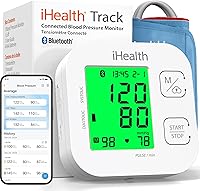
The iHealth Track Smart Upper Arm Blood Pressure monitor has a wide-range cuff for upper arms measuring 8.7 to 16.5 in. Its two-button operation, oversized multi-color backlit display, and storage for up to 99 readings suit readers who want a simple upper-arm reading routine.
It includes 4 AAA batteries, the wide-range cuff, and an instruction manual. The monitor can manage unlimited readings through iOS and Android applications when the phone meets the stated operating system and Bluetooth requirements.
What if Garmin 235 calibration still seems wrong?
Repeat the comparison with a steady pace and normal arm swing before changing anything else. Check that you selected an indoor running activity, saved the workout, and entered the treadmill distance correctly.
Also check whether you spent part of the run walking, paused the treadmill, changed incline, or held the rails. Those details can explain a mismatch without indicating that the watch is damaged.
If the watch repeatedly records an unusual distance, compare several similar runs instead of relying on one session. A pattern across steady workouts is more useful than one workout with interruptions.
Should you use a foot pod with a Garmin 235?
A foot pod may offer another way to estimate indoor pace and distance, but compatibility and setup must be confirmed before buying one. The Forerunner 235's calibration menu remains the simplest place to start when you already have a reliable treadmill distance.
Check Garmin's instructions for supported sensors and pairing steps. Don't assume that every foot pod works with every watch or that pairing alone guarantees accurate treadmill distance.
If you are comparing Garmin models, how to recalibrate a Garmin Epix for treadmill runs explains a newer watch's workflow. For another Forerunner example, see how to calibrate Garmin 165.
What is the simplest decision for Garmin 235 treadmill runs?
Use the treadmill display as the reference, save a steady indoor run, and enter that distance through the Garmin 235 calibration option. Keep your arms moving naturally and repeat the process with a similar pace if the next sessions still show a clear mismatch.
Choose the Polar strap if your main goal is tracking heart rate during indoor training. Choose the Zacurate monitor or iHealth monitor only for their separate SpO2, pulse, or blood pressure purposes, because neither one corrects Garmin treadmill distance.
If the workout itself is the problem, review Can’t Run On Treadmill? before changing your watch settings. The useful rule is simple: calibrate against a trustworthy distance, keep the run consistent, and treat the corrected number as an indoor estimate.
Frequently asked questions
Can you calibrate a Garmin Forerunner 235 on a treadmill?
Yes. After an indoor run, save the activity and use the watch's calibration option to enter the distance shown by the treadmill.
The correction applies to the saved activity and can improve future indoor distance estimates, but treadmill and watch readings can still differ.
Why is my Garmin 235 treadmill distance wrong?
The Forerunner 235 estimates indoor distance from wrist movement rather than GPS. Pace changes, arm position, walking breaks, holding the treadmill rails, and a short calibration run can all affect the estimate.
Does Garmin 235 use GPS on a treadmill?
GPS is not useful for measuring distance while you remain indoors on a treadmill. The Forerunner 235 uses its indoor running behavior and motion data instead, so calibration and a steady arm swing matter more than waiting for a satellite lock.