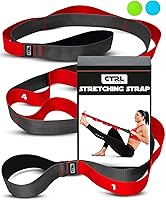
How to Do Stretching Strap Exercises
Stretching strap exercises work best when you anchor the strap securely, keep the working leg straight but not locked, and pull gently with your arms instead of forcing a stretch. Start with lying leg lifts, seated hamstring stretches, calf stretches, and shoulder openers, then add reps only when your form stays smooth.
On this page (12 sections)
- How do stretching strap exercises work for tight muscles?
- What strap type should you choose before you start?
- How should you set up your space and warm up?
- How do you do a lying hamstring stretch with a strap?
- What are good calf and ankle stretches with a strap?
- How do you stretch hips and glutes with a strap?
- How do you stretch shoulders, chest, and back with a strap?
- How do you control range, reps, and breathing during each hold?
- What mistakes make stretching strap exercises less safe?
- How do you progress strap stretches over time?
- When should you add other recovery tools to your routine?
- How do you choose the right strap for your next session?
Stretching strap exercises use a looped strap to extend your reach and control the angle of a stretch, especially for hamstrings, calves, and shoulders. You hold the strap with your hands, place it around a foot or behind your back, and pull just enough to feel a gentle stretch.
Form starts before you lift anything. If the strap is loose, your leg will wobble.
If it is too tight, you may pull too hard.
How do stretching strap exercises work for tight muscles?
Stretching strap exercises work by using your arms to guide a leg or shoulder into position while your torso stays stable. This helps if you cannot reach your toes or hold a deep stretch on your own.
Your arms only steer the strap, and your core keeps your hips level. That split helps you stretch one side at a time and notice when one leg pulls more than the other.
The strap also lets you change the stretch without changing seats. A small change in knee bend, foot flex, or arm angle can shift focus from hamstrings to calves or from shoulders to chest.
What strap type should you choose before you start?
Pick a strap that holds its loop without slipping and matches the stretch you plan to do. A non-stretch yoga strap gives firm control, while an elastic strap gives a softer pull.
For most beginners, a wide, non-stretch strap is easier to control. Our guide to best yoga straps for stretching covers D-ring and buckle styles in more detail.
An elastic version can feel friendlier when your hamstrings are very tight. See best elastic strap for stretching if you want that softer feel.
Which strap works best for general stretching strap exercises?
Choose a long, non-stretch strap with secure D-rings or a buckle if you want one tool for legs, hips, and shoulders.
For focused calf work, a shorter loop can help. Our picks for best calf stretcher strap show options built for that smaller area.
Avoid a strap that is too thin, frayed, or hard to adjust. Thin webbing can dig into your foot, and a weak buckle can slip under load.
How should you set up your space and warm up?
Set up on a mat or carpet with clear space around you and a wall nearby for balance. Wear clothes you can move in, and remove shoes so your foot stays flat and secure in the loop.
Warm up for 3 to 5 minutes with easy marching, ankle circles, or arm swings. Warm muscles respond better, and you will have a clearer sense of your normal range.
Keep water nearby, but do not rush through the warm-up. These exercises are about control, not speed.
How do you position the strap on your foot?
Position the strap around the arch of your foot, not around your toes or ankle. The loop should sit over the ball of the foot so your toes stay free and your ankle stays neutral.
Flex your foot so your toes point toward your shin. This keeps the stretch in the hamstrings and calves instead of letting it drift into the ankle.
Check the loop before you lift. If you can slide two fingers under it with ease, it is probably too loose.
How do you do a lying hamstring stretch with a strap?
A lying hamstring stretch works by keeping one heel on the floor while the strap lifts the other leg toward the ceiling. This setup protects your lower back and keeps the stretch steady.
Lie on your back with one knee bent and your foot flat. Loop the strap around the arch of the raised foot and hold both ends with your hands.
Lift the leg until you feel a gentle pull in the back of the thigh. Keep the knee straight but not forced, and keep your hips level on the floor.
How do you do a seated hamstring stretch with a strap?
A seated hamstring stretch works by sitting tall, looping the strap around one foot, and leaning back slightly instead of rounding forward. Your back should stay long from hips to head.
Place the strap around the arch of your right foot and hold the ends in both hands. Bend the left knee and place that foot flat for support.
Pull the right foot gently toward you while you sit tall. If you tip backward, bend the right knee a little and then straighten it as far as feels smooth.
What are good calf and ankle stretches with a strap?
Calf stretches with a strap work by flexing the foot to load the calf without forcing the ankle. You can do them seated, lying down, or standing with support.
Seated calf stretches are a good start. Loop the strap around your foot, straighten the leg, and pull the toes toward your shin while your heel stays down.
Standing calf stretches need a wall or chair for balance. Place the strap around the arch, step back with the leg straight, and press the heel toward the floor.
How do you stretch hips and glutes with a strap?
Hip stretches with a strap work by bringing the knee toward the chest or across the body while the strap takes the effort out of your arms. Lying versions are easiest to control.
Loop the strap around the arch of one foot and pull the knee toward your chest. Keep your head and shoulders relaxed on the floor.
For a glute stretch, bend the knee and place the strap around the upper calf or behind the thigh. Pull gently until you feel a stretch in the outer hip.
Avoid twisting your lower back to make the stretch feel deeper. If your other leg lifts off the floor, bend it more or lower the strap tension.
How do you stretch shoulders, chest, and back with a strap?
Shoulder stretches with a strap work by holding the strap with both hands and moving your arms through a controlled arc. The strap keeps your hands apart so you can widen the stretch.
Hold the strap at shoulder width and lift it overhead. Slowly move it behind your back as far as feels comfortable, then return it to the front.
For chest opening, hold the strap behind you with straight arms and press gently. Keep your shoulders down and your ribs from flaring forward.
How do you control range, reps, and breathing during each hold?
Control comes from small adjustments in arm pull, knee bend, and foot flex, not from forcing your leg higher. Breathe out slowly as you deepen the stretch, then hold for 20 to 30 seconds.
Use 2 to 3 sets of 4 to 6 slow reps for dynamic moves. For static holds, repeat each side 2 to 3 times and rest between sides.
Stay at a 3 or 4 out of 10 intensity. You should feel a stretch, not pain, and you should be able to breathe and talk normally.
What mistakes make stretching strap exercises less safe?
The most common mistake is pulling with your arms while rounding your back or locking your knee. That shifts the stretch away from the target muscle and can strain your lower back or hamstring.
Other mistakes include bouncing, holding your breath, and rushing through reps. Bouncing adds force you cannot control, and breath holding often means the stretch is too deep.
Stop and reset if you feel sharp pain, numbness, tingling, or joint pain. Mild muscle tension is normal, but pain is a signal to back off.
If you have a recent injury, joint replacement, balance issues, or ongoing pain, check with a doctor or physical therapist before you start.
How do you progress strap stretches over time?
Progress by adding a few seconds, one extra rep, or a slightly straighter leg when your form stays clean. Write down what you did so you can see steady progress.
Try a longer hold before you try a deeper stretch. Time under gentle tension often helps more than a bigger range on day one.
You can also change the angle. A wider leg position targets the inner thigh, a crossed position targets the outer hip, and a flexed foot targets the calves more.
When should you add other recovery tools to your routine?
Add other tools after you can do basic strap stretches with steady form. A strap handles reach and control, but it does not replace walking, strength work, or rest.
Some people use a massage gun after a workout for general recovery, but it is not needed for seated or lying stretches. Keep the focus on gentle movement first.
How do you choose the right strap for your next session?
Choose based on the stretch you do most, your reach, and how much give you want in the pull. If you mainly stretch hamstrings and hips, a long non-stretch strap is a solid default.
If you want a softer feel, compare a best exercise stretching strap with elastic options before you buy. Match the strap to your routine instead of buying for the longest list of features.
For tight calves, a dedicated calf strap can make seated and standing stretches easier to set up. That is why our best calf stretcher strap guide focuses on foot loops and ankle control.
Stretching strap exercises are most useful when you keep them simple. Set the loop well, move slowly, and let your arms guide the stretch while your core stays steady.
Frequently asked questions
What are stretching strap exercises good for?
They help you stretch hamstrings, calves, hips, and shoulders with better control than reaching with your hands. The strap extends your arms, so you can hold a position and adjust tension.
They suit people with limited reach, desk workers, runners, and anyone who wants a steady assisted stretch.
How do I keep a stretching strap from slipping?
Wrap the strap around the arch of your foot, loop it through the buckle or D-rings, and pull to remove slack before you lift the leg. Use the ball of the foot and keep the loop snug but not tight.
Check the loop after each set, and replace the strap if the webbing frays or slides.
How long should I hold a strap stretch?
Hold each stretch for 20 to 30 seconds, breathe normally, and keep the pull light. Repeat 2 to 3 times per side if it feels comfortable.
Stop and ease off if you feel sharp pain, numbness, or tingling.
Short, steady holds give better control than long, forceful pulls.
Can stretching strap exercises help tight hamstrings?
They can help you stretch tight hamstrings with support, especially when you cannot reach your feet. Use lying leg lifts or seated stretches and keep your back long.
Progress slowly, and talk with a doctor or physical therapist if you have ongoing pain, a recent injury, or limited movement.