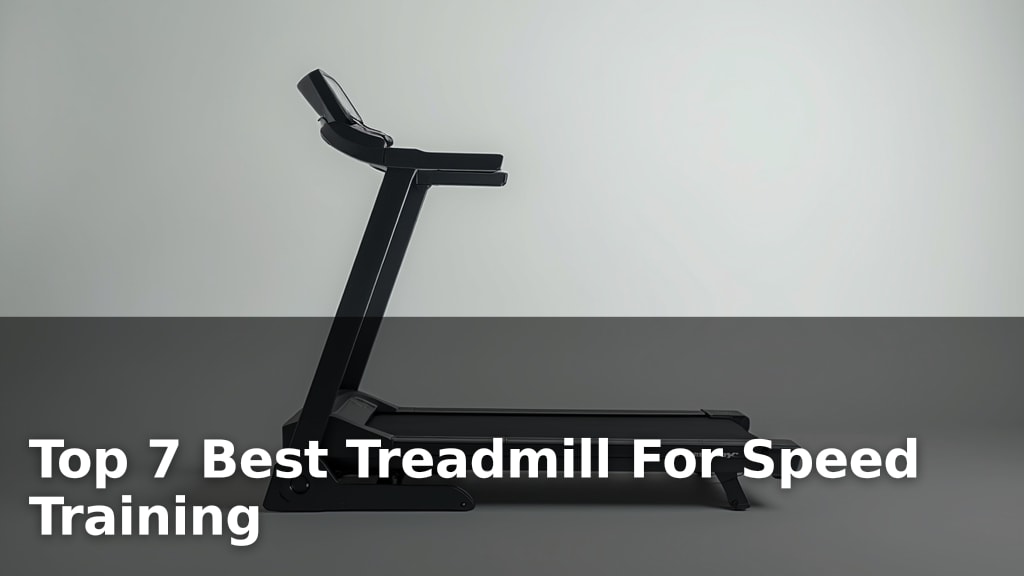
How to Plan Treadmill Intervals for Soccer Training
Use short, repeatable running efforts with enough recovery to keep your form steady. Start with easy intervals, then adjust work time, recovery, and speed to match your fitness and soccer schedule.
On this page (7 sections)
- How should you structure treadmill intervals for soccer?
- How do you set speed and recovery?
- How can you fit intervals around practice and matches?
- What treadmill features help with interval sessions?
- What should you wear for treadmill intervals?
- How should you progress your intervals?
- What is a practical first treadmill session for soccer?
Treadmill intervals for soccer training work best as controlled running bursts mixed with easy recovery, not as repeated all-out sprints. Begin with a pace you can manage safely, keep the recovery long enough to regain control, and adjust the session around your practices and matches.
A treadmill can provide steady running and planned speed changes. It can't reproduce soccer's turns, ball work, or decisions, so use it to support conditioning rather than replace on-field training.
How should you structure treadmill intervals for soccer?
Start with 20–30 seconds of faster running followed by 60–90 seconds of easy walking or jogging. Repeat 6–8 times, then cool down with a few minutes of easy movement.
The shorter effort gives you room to focus on posture and a smooth transition between speeds. If you can't regain control during recovery, slow the work pace or make the next interval shorter.
You can also try 30 seconds of faster running and 60 seconds of easy recovery. FIFA Training Centre describes a football conditioning example that uses 30 seconds of high intensity followed by one minute of recovery, with the recovery shortened as players become conditioned.
That's one example, not a required formula for every player.
For more interval formats and pacing ideas, see our guide to How to Do Interval Training on a Treadmill?. If you want a broader look at equipment features for interval sessions, compare our Best Treadmill For Interval Training.
How do you set speed and recovery?
Choose a running speed you can hold with steady form, then use an easy walk or jog for recovery. Set the recovery speed before the session so you don't have to make rushed adjustments while tired.
There isn't one correct treadmill speed for every soccer player. Fitness, running experience, and the length of the work interval all affect what feels manageable.
Use the console controls to change speed gradually. Keep your eyes forward and stay centered on the belt; don't jump onto the side rails while the belt is moving.
If the workout starts feeling like a sprint test, lower the fast pace or extend recovery. Repeatable efforts are more useful than a session where the first few bursts are fast and the rest fall apart.
Should you use incline for soccer conditioning?
Keep the treadmill flat when you're learning the workout. A small incline can increase effort, but it changes the running demand and doesn't simulate soccer's quick turns or acceleration from different positions.
If you add incline, change only one part of the session at a time. That makes it easier to tell whether the new setting, the speed, or the work duration is making the workout too hard.
How can you fit intervals around practice and matches?
Put intervals on a day when you can recover before your next hard soccer session. Avoid adding a demanding treadmill workout right before a match or intense team practice.
Count team practices, games, and other hard workouts as part of your weekly load. If a week already includes several challenging sessions, skip the treadmill intervals or make them easier.
FIFA notes that recovery and training-load management matter in soccer. Use how you feel and your schedule to guide the session, and take an easy day if soreness or fatigue is changing how you move.
Treadmill running also doesn't train ball control, cutting, or reacting to an opponent. Keep those parts of conditioning in your soccer sessions, where you can practice them in context.
What treadmill features help with interval sessions?
A clear display and straightforward speed controls make it easier to follow planned work and recovery blocks. Choose equipment that fits your space and lets you run at a comfortable pace.
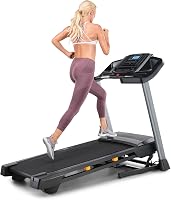
The NordicTrack T Series Treadmills for Home includes an LCD display and supports speeds up to 10 MPH. It also has a 0–10% incline range and a folding frame, which may suit home users who need to store a treadmill between sessions.
Before buying, make sure the treadmill fits your available floor space and suits the speed you intend to use. For other workout-focused options, see Best Treadmill For HIIT Workouts and What Is the Best Treadmill for Interval Training at Home?.
What should you wear for treadmill intervals?
Wear running shoes that fit securely and feel stable at your chosen pace. Check the fit before doing fast intervals, and stop if discomfort changes your stride.
The Under Armour Men's Charged Assert 9 Running has a breathable mesh upper, leather overlays for midfoot stability, and a Charged Cushioning midsole. These are listed shoe features to consider if you're looking for a running shoe for treadmill workouts.
The Under Armour Women's Charged Assert 9 Running has a breathable upper, reinforced overlays, and a rubber outsole with a flexible tread pattern. Those features may suit readers comparing shoes for steady treadmill running and intervals.
Choose based on fit and comfort rather than assuming a shoe will prevent injury or improve performance. For speed-focused equipment options, see Best Treadmill For Speed Training.
How should you progress your intervals?
Change one variable at a time: add a repetition, lengthen the work interval, or shorten recovery. Keep the other parts steady so you can judge how the change affects your form and recovery.
A simple progression could be to start with 6 rounds of 20 seconds faster and 80 seconds easy. If that feels controlled across the full session, try 7 rounds next time, or extend the faster efforts to 25 seconds.
Don't increase speed, duration, and repetitions all in the same session. If recovery becomes rushed or your running form slips, return to the last version you handled well.
What is a practical first treadmill session for soccer?
Try a short warm-up, 6 controlled intervals, and an easy cool-down. This gives you a clear starting point without making the first session a test of your maximum speed.
- Walk or jog easily for 5–8 minutes.
- Run at a comfortably challenging pace for 20 seconds.
- Walk or jog easily for 80 seconds.
- Repeat the work and recovery pattern 6 times.
- Cool down with easy walking for 5 minutes.
Use the first session to learn the controls and find a pace you can repeat. If you already have a demanding practice or match coming up, move the workout or keep it easy.
For people planning treadmill intervals for soccer training, start with short work bouts, generous recovery, and a speed you can control. Add difficulty slowly, and keep soccer practice responsible for the sport-specific running, turns, and ball skills.
Frequently asked questions
How long should soccer treadmill intervals be?
Start with 20–30 seconds of faster running followed by 60–90 seconds of easy walking or jogging, repeated 6–8 times. Shorter efforts let you focus on controlled running, while longer efforts build sustained conditioning.
Adjust the timing to your fitness and how much running you already do in soccer practice.
How many days a week should I do treadmill intervals for soccer?
Begin with 1 interval session a week and consider a second only if you recover well and your soccer schedule allows it. Team practice and matches already add running load.
Leave easy or rest days between hard sessions, and reduce interval work during a week with a demanding match schedule.
Should soccer players use incline for treadmill intervals?
A flat setting is a practical starting point for intervals because it keeps the workout simple and makes pace changes easier to manage. A small incline can add effort, but it changes the session and doesn't reproduce soccer's cuts, stops, or changes of direction.
Use a setting that lets you keep steady form.