What Is a Manual Treadmill?
On this page (7 sections)
A manual treadmill is a type of treadmill that doesn’t use electricity to move its belt. Instead, your own body’s movement powers the belt. You push off with your feet to make the belt move forward. It’s a simpler design compared to motorized treadmills.
Unlike electric models, manual treadmills offer a more natural running feel. They often require more effort to get the belt moving, which can lead to a tougher workout. Many users appreciate their simpler operation and lack of electronic components.
- No electricity needed.
- Your movement powers the belt.
- Can offer a more challenging workout.
- Simpler to operate and maintain.
Let’s break down exactly what a manual treadmill is and what makes it different from its electric cousins.
Understanding the Manual Treadmill: A Closer Look
So, what exactly sets a manual treadmill apart from the motorized ones you see at the gym? Think of it as the original treadmill experience. It’s a piece of equipment that relies entirely on your own power to make the belt move. There’s no plug, no motor humming, just you and the belt.
This means you’re the engine. When you walk or run, your feet push against the belt, creating the motion. It’s a more direct connection between your effort and the machine’s action. You’ll feel this difference immediately. The belt only moves when you push it.
Many users find this lack of electricity to be a major advantage. It means you can use it anywhere – your garage, a backyard shed, or even outdoors if the weather cooperates. No power outlets needed means more freedom for your workout space. Plus, fewer electronic parts can mean less to go wrong over time.
How Does a Manual Treadmill Work?
The core mechanism of a manual treadmill is surprisingly simple. It typically involves a series of rollers and a sturdy, continuous belt. When you step onto the belt and begin to move your legs, your feet create friction. This friction is what propels the belt forward around the rollers.
Imagine pushing a heavy box across the floor. You have to exert force to get it moving. A manual treadmill belt behaves similarly. The initial push-off requires a bit more effort than you might be used to with an electric treadmill. This is often called the “startup inertia.”
Once the belt is moving, maintaining your pace requires consistent effort. If you slow down, the belt will naturally slow down too. If you speed up, you’ll need to push harder and faster to keep up. It’s a dynamic relationship between your exertion and the machine’s speed.
The Belt and Roller System
The belt itself is usually made of a durable, flexible material designed to withstand repeated friction. Beneath the belt are one or more rollers. These are smooth cylinders that allow the belt to move freely and continuously. The tension of the belt is carefully calibrated.
Some manual treadmills use a curved design. This can help make the belt movement feel more natural and continuous. The curve assists in returning the belt to the front, reducing the amount of effort you need to sustain the motion. It’s a smart design that enhances user experience.
Inertia and Momentum
The concept of inertia plays a big role. Objects at rest tend to stay at rest. This means you need to overcome that initial resistance to get the belt rolling. Once it’s in motion, it wants to stay in motion. This is momentum.
You’ll notice that the belt speed is directly tied to your pace. This responsiveness is a key feature. There’s no lag or delay as you adjust your speed. You control everything, making for a very intuitive workout. It feels more like running on a track than on a machine.
Manual vs. Motorized Treadmills: Key Differences
The most obvious difference, as we’ve touched on, is the power source. Motorized treadmills use an electric motor to drive the belt. This motor provides a consistent speed that you can select and adjust with buttons. You can set it to a specific pace and maintain it without your effort directly dictating the speed.
Manual treadmills, on the other hand, put you in the driver’s seat. Your workout intensity is directly linked to how hard you push. This can make them feel more challenging, which many users actually prefer. It’s a full-body engagement in a way that motorized models might not offer.
Workout Intensity and Effort
Because you are powering the belt, manual treadmills often provide a more demanding workout. Studies on treadmill mechanics suggest that the effort required to initiate and maintain belt movement can lead to higher calorie expenditure compared to electric models at similar perceived exertion levels (NCBI).
Think of it this way: you’re not just running; you’re also actively working to move the equipment itself. This can lead to a greater activation of leg muscles and a more robust cardiovascular response. You might find your heart rate is higher, and you burn more calories in the same amount of time.
Features and Technology
Motorized treadmills often come packed with features. They usually have built-in consoles displaying speed, distance, time, calories burned, and heart rate. Many offer pre-programmed workouts, incline adjustments, and even entertainment options like screens and speakers.
Manual treadmills are typically much simpler. Their consoles, if present, usually show basic metrics like speed, distance, and time. Some may offer basic incline options that you adjust manually. The focus is on the core functionality: providing a platform for you to run or walk.
Maintenance and Durability
With fewer mechanical and electronic parts, manual treadmills often require less maintenance. There’s no motor to service, no circuit boards to worry about. Cleaning is usually straightforward – just a quick wipe-down. This simplicity contributes to their reputation for durability.
Motorized treadmills, with their complex motors and electronics, can be more prone to wear and tear. Regular lubrication of the belt and deck, and occasional checks of the motor and drive belt, are often recommended by manufacturers to keep them running smoothly.
Cost Considerations
Generally, manual treadmills tend to be more affordable than their motorized counterparts. The simpler design and lack of expensive motor components translate to a lower price point. This makes them an attractive option for budget-conscious individuals or those who don’t need all the bells and whistles of a high-end motorized unit.
However, price can vary greatly depending on brand, build quality, and features. Some high-end manual treadmills with advanced designs, like curved decks, can still represent a significant investment. It’s always wise to compare models and features within your budget.
Who Benefits Most from a Manual Treadmill?
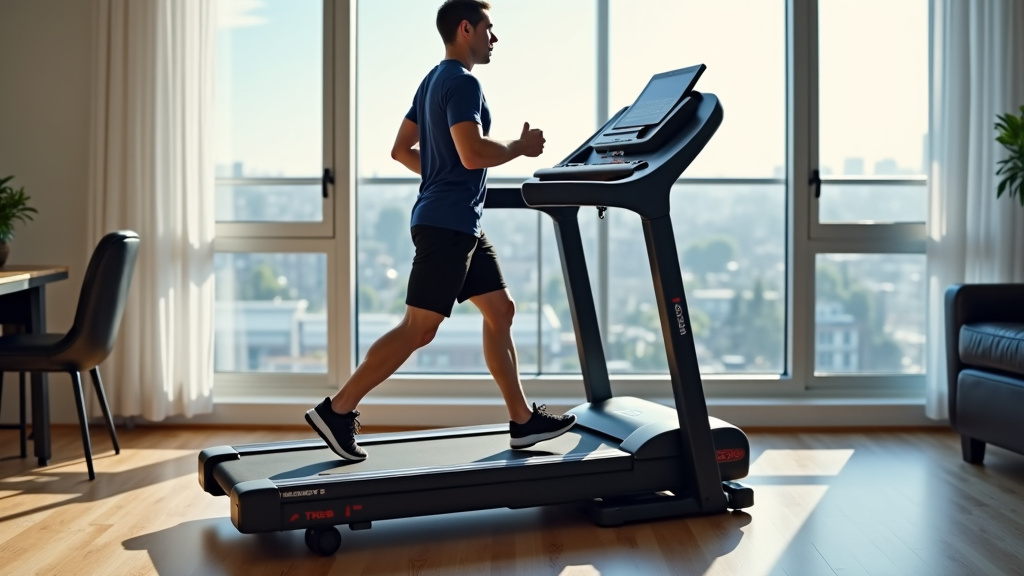
Manual treadmills can be a great fit for a variety of users. If you’re looking for a challenging workout that engages your muscles more intensely, a manual model might be perfect. Athletes who want to improve their power and endurance could find them beneficial.
They are also excellent for people who appreciate simplicity. If you’re not interested in complex technology or pre-programmed routines, and just want a straightforward way to get your steps in, a manual treadmill is ideal. The lack of electronics means less distraction during your workout.
For the Fitness Enthusiast Seeking More Challenge
If you’re someone who enjoys pushing their limits, a manual treadmill offers a unique way to do so. The need to constantly drive the belt means you’re always engaged. It’s a great tool for building strength and stamina in your legs.
For Those Who Value Simplicity and Portability
The absence of a power cord is a huge plus for many. You can easily move a manual treadmill around your home or take it with you if you relocate. They often have a smaller footprint as well, making them suitable for smaller living spaces.
For the Budget-Conscious Buyer
When budget is a primary concern, manual treadmills often win out. They provide a solid cardio workout without the higher cost associated with motorized units. You get effective exercise without needing to break the bank.
Things to Consider Before Buying a Manual Treadmill
Before you decide if a manual treadmill is right for you, think about your fitness goals and preferences. How intense do you want your workouts to be? Do you have any physical limitations that might make it harder to start the belt moving?
Consider the space you have available. While often smaller than motorized treadmills, they still require adequate room for safe use. Also, think about the type of workouts you typically do. Are you mostly walking, or do you prefer jogging or running?
Assessing Your Workout Needs
Be honest with yourself about your fitness level. If you’re new to exercise or have mobility issues, the added effort of a manual treadmill might be too much initially. It’s important to start with equipment that matches your current capabilities.
However, if you’re looking to increase your fitness, a manual treadmill can be a fantastic motivator. It encourages consistency and effort. Many users find they achieve their fitness goals faster because of the inherent challenge.
Checking the Build Quality and Features
Even with manual treadmills, build quality matters. Look for sturdy frames and smooth-rolling components. Check reviews to see what other users say about the durability and ease of use. Some models might offer adjustable resistance, which can be helpful.
Pay attention to the belt size and the overall stability of the unit. A wobbly treadmill can be unsafe and unpleasant to use. A good manual treadmill should feel solid and secure underfoot, even when you’re moving at a brisk pace.
Is a Manual Treadmill a Good Investment for Home Fitness?
Absolutely! For many people, a manual treadmill is an excellent investment. They offer a powerful and effective way to improve cardiovascular health, burn calories, and build lower body strength. Their simplicity, lower cost, and portability make them very appealing for home gyms.
You get a serious workout without the need for electricity, making them environmentally friendly and versatile. If you’re ready to take charge of your workout and experience a more direct form of cardio training, a manual treadmill could be your perfect match.
Your Manual Treadmill Checklist:
- Does it have a sturdy, stable frame?
- Is the belt material durable and smooth?
- Are the rollers functioning properly without squeaking?
- Is the size appropriate for your workout space?
- Does it meet your desired workout intensity needs?
- Is it within your budget?
Conclusion
You’ve learned that a manual treadmill is a simple, effective tool for fitness that relies entirely on your own power. It offers a more challenging workout by making you the engine, leading to potentially higher calorie burn. Plus, their lack of electricity means more freedom in where you can set them up and less maintenance. If you’re looking for a straightforward, robust way to get fit without complex electronics, a manual treadmill could be your perfect home gym addition. Ready to take control of your cardio? Consider a manual treadmill for your next fitness purchase.
Frequently Asked Questions
Are manual treadmills hard to use for beginners?
Manual treadmills require a bit more initial effort to get the belt moving compared to motorized ones. If you are completely new to exercise or have mobility concerns, you might find them challenging at first. However, many beginners find they adapt quickly and appreciate the direct control they have over their pace.
How do I know if I’m getting a good workout on a manual treadmill?
You’ll likely feel a more intense workout because you’re powering the belt yourself. Pay attention to your perceived exertion and heart rate. If you feel your heart rate is elevated and you’re breathing harder, you’re getting a solid cardio session. The need to push the belt engages your leg muscles more actively.
Can I walk or just run on a manual treadmill?
Absolutely! Manual treadmills are great for both walking and running. For walking, you’ll need to maintain a consistent pace to keep the belt moving smoothly. For running, you’ll need to push off more forcefully to achieve and sustain higher speeds. Many models also offer incline adjustments for added challenge.
What kind of maintenance do manual treadmills require?
Manual treadmills generally require very little maintenance. Since there’s no motor or complex electronics, you don’t have to worry about servicing those components. Basic cleaning, like wiping down the frame and belt, is usually all that’s needed to keep it in good condition.
How do manual treadmills compare in price to motorized treadmills?
Manual treadmills are typically more affordable than motorized treadmills. Their simpler design, lacking expensive motors and control boards, means a lower manufacturing cost. This makes them an excellent option if you’re on a tighter budget but still want an effective cardio machine for home use.