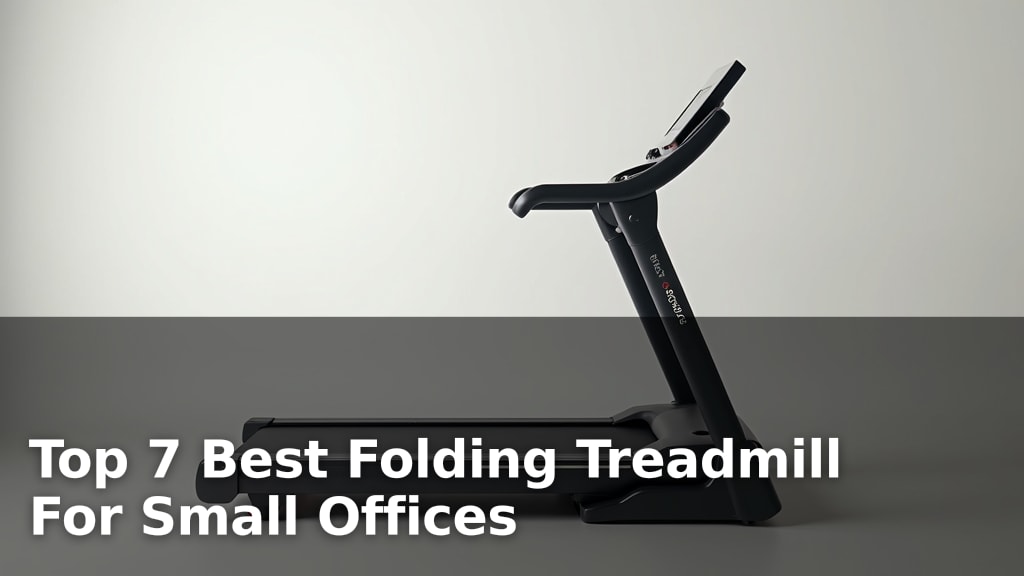
What Is a Treadmill Desk?
On this page (6 sections)
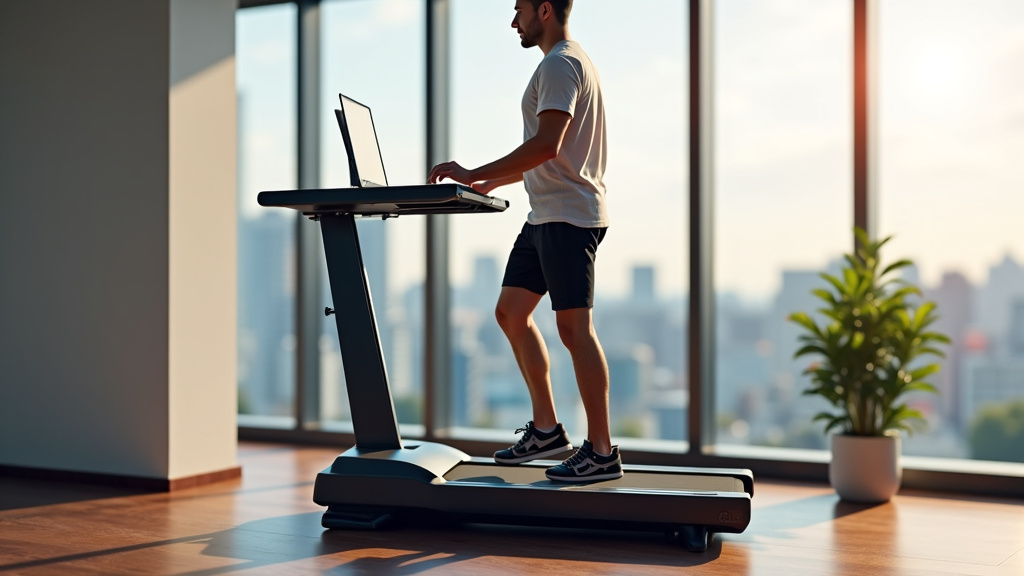
A treadmill desk is a unique workstation that combines a standing desk with a treadmill. You can walk at a slow pace while working on your computer. This setup helps you stay active throughout your workday.
You might be wondering if it’s really possible to work and walk. We found that treadmill desks let you integrate gentle movement into your routine. They aim to reduce the amount of time you spend sitting down, which many experts say is beneficial for your health.
- It’s a desk and a treadmill, combined.
- You walk slowly while you work.
- Helps you move more during the day.
- Can improve your overall well-being.
- It’s a different way to stay active.
Let’s dive deeper into what makes a treadmill desk such an interesting option for your workspace. We’ll walk you through all the details you need to know.
Understanding the Treadmill Desk Concept
A treadmill desk is more than just a piece of office furniture. It’s an innovative approach to staying active while you work. Imagine your typical office desk, but instead of an office chair, you have a slow-moving treadmill belt underneath.
This setup allows you to walk at a very gentle pace, often between 0.5 to 2 miles per hour (mph). It’s not about breaking a sweat or getting an intense workout. It’s about constant, low-impact movement.
Many people find they can easily type, read, and participate in virtual meetings while walking. The goal is to transform your sedentary workday into one that includes more physical activity.
Key Components of a Treadmill Desk
What exactly makes up a treadmill desk? We found that most models share a few core elements. Understanding these parts helps you see how they work together.
The Walking Surface (Treadmill Base)
This is the foundation. It’s a specialized treadmill designed for continuous, slow walking. Unlike gym treadmills, these often have lower maximum speeds and a quieter motor. They are built for endurance, not speed.
Some treadmill bases are compact, designed to fit under existing standing desks. Others are integrated directly into the desk frame. You’ll notice they usually have fewer buttons and controls than a typical fitness treadmill.
The Work Surface (Desk)
This is where you place your computer, keyboard, and other work items. It’s typically a stable, adjustable standing desk. Adjustability is key here, as you’ll want to set it to a comfortable height for working while walking.
The desk needs to be sturdy enough to prevent wobbling, which can be distracting. We found some desks offer extra features like monitor arms or keyboard trays to optimize your workspace.
Control Console
Every treadmill desk comes with a small console. This usually controls the treadmill’s speed and displays basic information. You’ll see things like walking speed, distance, and time. Some consoles are built into the desk itself, while others are separate and can be placed conveniently.
How Treadmill Desks Operate
Using a treadmill desk is straightforward. You simply step onto the treadmill, adjust the desk to your preferred height, and start walking. The pace is slow enough that it doesn’t interfere with your ability to perform tasks.
Many users report that after an initial adjustment period, working while walking becomes second nature. It’s about finding a rhythm that works for you. Some people prefer to walk for a few hours, take a break, and then walk again.
We found that the key is consistency, not intensity. Even a low level of activity throughout the day can add up.
The Purpose and Benefits of Using a Treadmill Desk
Why would someone choose to work on a treadmill desk? The main reason is to counteract the effects of a sedentary lifestyle. Many jobs today require long hours of sitting, which experts say can have negative health consequences (Mayo Clinic).
Combating Sedentary Behavior
Sitting for prolonged periods has become a major health concern. We often hear phrases like “sitting is the new smoking.” While that might be an exaggeration, it highlights a real issue. A treadmill desk offers a simple solution.
By integrating walking into your workday, you break up long stretches of inactivity. This constant, gentle movement can make a big difference in how you feel by the end of the day.
Potential Health Advantages
Research suggests several benefits associated with incorporating more movement into your day. We found these often apply to treadmill desk users:
- Increased Calorie Burn: Walking, even slowly, burns more calories than sitting. Over a full workday, this can add up.
- Improved Cardiovascular Health: Regular, light activity helps keep your heart rate slightly elevated, supporting heart health.
- Better Blood Sugar Regulation: Moving after meals can help manage blood sugar levels more effectively (Cleveland Clinic).
- Reduced Back Pain: Standing and moving can alleviate some of the pressure on your spine that comes from prolonged sitting.
- Enhanced Mood and Energy: Physical activity is known to boost endorphins, which can improve your mood and reduce fatigue.
It’s important to remember that a treadmill desk isn’t a substitute for dedicated exercise. Think of it as a tool for increasing your baseline activity throughout the day.
Boosted Productivity and Focus
You might wonder if walking would be distracting. Many users actually report the opposite. We found that light physical activity can sometimes improve concentration and cognitive function.
A change of posture and gentle movement can help combat that afternoon slump. Instead of feeling sluggish, you might feel more alert and ready to tackle tasks. This can lead to a more productive workday.
Imagine being able to brainstorm ideas or answer emails while moving. It can add a new dynamic to your workflow.
Who Benefits Most from a Treadmill Desk?
While a treadmill desk can be beneficial for many, certain individuals or professions might find them particularly useful.
Office Workers and Remote Professionals
If your job primarily involves sitting in front of a computer, you’re a prime candidate. This includes writers, programmers, customer service representatives, and anyone with a desk-bound role. Remote workers especially can benefit from creating a more active home office environment.
We found that people who spend eight or more hours a day sitting often see the most dramatic positive changes.
Individuals Seeking to Increase Daily Activity
Perhaps you struggle to fit traditional workouts into your busy schedule. A treadmill desk offers a way to sneak in activity without feeling like an extra chore. It’s about making movement a seamless part of your daily routine.
It’s not about training for a marathon. It’s about taking those extra steps and improving your overall well-being. Think of it like adding extra small drops of water to a bucket – eventually, it fills up.
People with Specific Health Goals
If you’re looking to manage your weight, improve heart health, or simply feel more energetic, a treadmill desk can support those goals. It’s a proactive step toward a healthier lifestyle, complementing other healthy habits you might have.
Many experts agree that reducing sedentary time is a valuable health strategy (CDC).
Is a Treadmill Desk Right for You? A Checklist
Deciding if a treadmill desk is a good fit involves considering your lifestyle and work habits. Here’s a quick checklist to help you think it through:
- Do you spend most of your workday sitting?
- Are you looking for ways to increase your daily physical activity?
- Do you experience discomfort from prolonged sitting, like back pain?
- Are you open to trying new ways to work and stay healthy?
- Do you have the space in your home or office for a dedicated setup?
- Are you comfortable with a slight learning curve to adjust to walking while working?
If you answered yes to several of these questions, a treadmill desk might be a smart investment for your health and productivity. It’s about exploring what works best for you and your unique needs.
Conclusion
You’ve seen how a treadmill desk can redefine your workday. It’s more than just furniture; it’s a tool for integrating continuous, gentle movement into your routine. We found this can lead to improved health, better focus, and a significant reduction in sedentary time.
If you’re spending hours at a desk, consider this active alternative. Think about your workspace and your daily habits. Could a treadmill desk help you feel more energetic and productive? It might just be the positive change your body and mind are looking for.
Frequently Asked Questions
Can I use any treadmill with a standing desk?
Not typically. Standard gym treadmills are designed for higher speeds and more intense workouts. Treadmill desks use specialized walking bases built for continuous, slow-speed operation and quiet performance, often without handrails or bulky consoles.
How long does it take to get used to walking while working?
Most users report an adjustment period of a few days to a couple of weeks. Start with short intervals, like 15-30 minutes at a time, to let your body and mind adapt to the new rhythm. You’ll likely find it becomes second nature quickly.
Will a treadmill desk fit in a small home office?
Many treadmill desks are designed with compact footprints. Some models have separate walking bases that slide under an existing standing desk, saving space. Always check the dimensions to ensure it fits comfortably in your designated work area.
Do treadmill desks make a lot of noise?
Manufacturers design treadmill desk bases to be much quieter than traditional treadmills. They use specialized motors for low-speed walking. While you’ll hear a gentle hum and footfalls, it’s generally not disruptive to calls or concentration.
Can a treadmill desk replace my regular exercise routine?
A treadmill desk is excellent for increasing your daily activity and combating sedentary behavior. However, it’s not a substitute for vigorous exercise. You should still aim for dedicated workouts that include cardiovascular activity and strength training for overall fitness.