Is It Safe to Use a Treadmill During Pregnancy?

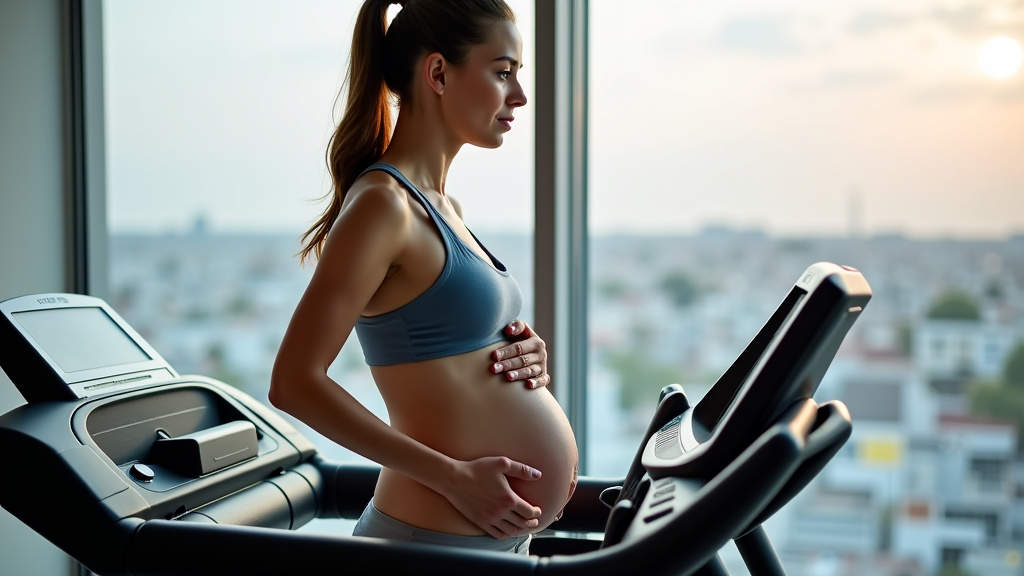
Yes, it is generally safe to use a treadmill during pregnancy, provided you listen to your body and follow some simple guidelines. Many expectant mothers find treadmills a convenient way to stay active. It’s all about making smart choices for you and your baby.
Staying active is super important for a healthy pregnancy, and treadmills can be a great tool for that. You can control your speed and incline, making it easy to adjust your workout. Just remember that your body is changing, so what felt normal before might feel different now.
- Always talk to your doctor first.
- Listen to your body and don’t overdo it.
- Stay hydrated and avoid overheating.
- Modify your routine as your pregnancy progresses.
Ready to learn more? Let’s walk through everything you need to know about using a treadmill safely while pregnant.
Navigating Treadmill Use While Expecting
Using a treadmill during pregnancy can be a wonderful way to maintain your fitness. It offers a controlled environment for exercise. However, your body is undergoing significant changes, so what felt right before pregnancy might need adjustment now. If you’re new to treadmills, our guide to the best treadmill for beginners can help you choose a model that’s easy to use and safe.
We’re here to guide you through making smart choices. Remember, the goal is always a healthy pregnancy and a healthy you.
The “Why” Behind Staying Active
Why bother exercising when you’re pregnant? Well, there are many compelling reasons. Staying active offers a wealth of benefits for both you and your baby. It’s not just about looking good; it’s about feeling good and preparing your body for what’s ahead.
Benefits for You
Regular physical activity, like walking on a treadmill, can greatly improve your pregnancy experience. Many expectant mothers find it helps manage common pregnancy discomforts. We found that staying active helps with everything from mood to sleep.
- It can help reduce back pain and swelling.
- Exercise can boost your mood and energy levels.
- It may improve your sleep quality.
- Staying fit can prepare your body for labor and delivery.
- It helps you maintain a healthy weight gain during pregnancy (American College of Obstetricians and Gynecologists).
Benefits for Your Baby
Your baby also reaps rewards from your activity. Research suggests that a mother’s exercise can positively impact the developing baby. You’re giving your little one a great head start.
- It may lead to a healthier birth weight for the baby.
- Some studies suggest improved neurodevelopment in babies of active mothers.
When to Hit Pause: Recognizing Red Flags
While exercise is beneficial, there are times you need to stop and call your doctor. Your body sends signals for a reason. Learning to recognize these signs is incredibly important for your safety and your baby’s.
Don’t try to push through discomfort. It’s always better to be safe than sorry.
- Vaginal bleeding or fluid leaking.
- Dizziness or feeling faint.
- Shortness of breath before exercising.
- Chest pain or headaches.
- Muscle weakness or calf pain/swelling.
- Regular, painful contractions.
- Decreased fetal movement.
If you experience any of these symptoms, stop exercising immediately. Then, contact your healthcare provider. They can advise you on the next steps.
Making Your Treadmill Workouts Pregnancy-Friendly
Using a treadmill safely during pregnancy means making some adjustments. Your body isn’t the same, and your workouts shouldn’t be either. We’ve compiled some practical tips to keep you comfortable and secure.
The First Trimester: Gentle Beginnings
In your first trimester, you might feel more tired than usual. Nausea can also be a challenge. It’s okay to take it easy. Focus on maintaining a routine, not setting new personal bests.
- Keep your intensity low to moderate.
- Listen to your body for fatigue and morning sickness.
- Don’t be afraid to take breaks or shorten your sessions.
The Second Trimester: Finding Your Stride
Often called the “honeymoon” period of pregnancy, your energy levels might return. You might feel more comfortable exercising now. However, your belly is starting to grow, impacting your balance.
- Continue with moderate intensity.
- Be mindful of your changing center of gravity.
- Consider using the handrails for stability. For those needing extra stability, our guide to the best treadmill for seniors highlights models with features like long handrails.
The Third Trimester: Slowing Down Gracefully
As you get closer to your due date, you’ll likely feel heavier and more tired. Swelling can also be an issue. Focus on maintaining activity rather than pushing yourself.
- Reduce speed and incline significantly.
- Walk at a pace where you can comfortably hold a conversation.
- Shorten your workout duration.
- Focus on comfortable movement and stretching.
Important Considerations for Every Trimester
No matter which trimester you’re in, some general rules apply. These tips will help you stay safe throughout your pregnancy journey.
- Stay Hydrated: Drink plenty of water before, during, and after your workout.
- Avoid Overheating: Dress in layers. Exercise in a well-ventilated room.
- Wear Supportive Gear: A good pair of supportive shoes and a maternity sports bra are essential.
- Listen to Your Body: This is the golden rule. If something feels off, stop.
- Warm-Up and Cool-Down: Always begin with 5-10 minutes of light activity and end with gentle stretching.
Comparing Treadmill Walking to Other Activities
Is a treadmill truly the best choice for you? It’s good to consider your options. Many forms of exercise are safe during pregnancy. What works for one person might not work for another.
| Exercise Type | Pros During Pregnancy | Cons During Pregnancy |
|---|---|---|
| Treadmill Walking | Controlled environment, adjustable speed/incline, convenient at home. | Risk of falling, can be monotonous, impact on joints (though low). |
| Swimming/Water Aerobics | Low impact, supports body weight, helps with swelling. | Requires access to a pool, less control over intensity. |
| Prenatal Yoga/Pilates | Improves flexibility, strengthens core, reduces stress. | Requires specialized classes/instructors, may not be high cardio. |
| Stationary Cycling | Low impact, supportive, good for cardio. | Can feel uncomfortable with a growing belly, can be repetitive. |
As you can see, each activity has its unique advantages. The treadmill offers a great blend of convenience and control. It’s often easier to fit into a busy schedule.
Your Pregnancy Treadmill Safety Checklist
To ensure your treadmill workouts are safe and effective, here’s a quick checklist. Keep these points in mind every time you step on the machine. You’ve got this!
Consult Your Doctor: Get clearance before starting or continuing any exercise program.
Stay Within Your Limits: Avoid high-intensity interval training (HIIT) or pushing yourself to exhaustion.
Monitor Heart Rate (Optional): Instead, use the “talk test.” You should be able to carry on a conversation.
Proper Footwear: Wear comfortable, supportive athletic shoes that fit well.
Secure Handrails: Use them for balance, especially as your center of gravity shifts.
Hydrate and Ventilate: Drink water constantly. Make sure your exercise area is cool.
Following these guidelines can help you enjoy the benefits of treadmill exercise throughout your pregnancy. It’s about being active in a smart and mindful way. Your health and your baby’s health are the top priority.
Conclusion
You’ve seen that using a treadmill during pregnancy can be a safe and beneficial way to stay active. It offers a controlled environment and helps you manage your fitness journey. Remember, listening to your body and consulting with your doctor are your most important steps.
By following our trimester-specific tips and safety checklist, you can confidently maintain your health. Staying active supports both your well-being and your baby’s development. So, lace up those supportive shoes and keep moving mindfully.
Ready to get started? Discuss your exercise plans with your healthcare provider today to ensure a healthy and active pregnancy journey.
Frequently Asked Questions
How can I tell if I’m overdoing it on the treadmill?
Pay close attention to your body’s signals. If you’re out of breath and can’t hold a conversation, or if you feel dizzy or experience any pain, it’s a sign to slow down or stop. Your body will tell you when you’ve reached your limit.
Is it safe to use a treadmill with an incline while pregnant?
Yes, you can use an incline, but use it cautiously. High inclines can increase heart rate and put extra strain on your back and joints. Opt for a gentle incline rather than steep hills, especially as your pregnancy progresses, to maintain comfort and stability.
What heart rate should I aim for when using a treadmill during pregnancy?
Instead of focusing on a specific heart rate, use the “talk test.” You should be able to carry on a conversation comfortably while exercising. If you can’t speak without gasping for breath, you’re working too hard and should reduce your intensity.
Can treadmill use help with labor and delivery?
Regular moderate exercise, including treadmill walking, can strengthen your cardiovascular system and improve stamina. This can indeed help prepare your body for the physical demands of labor and delivery. It also aids in quicker postpartum recovery.
When should I stop using a treadmill during pregnancy?
You should stop immediately and consult your doctor if you experience any red flag symptoms like vaginal bleeding, dizziness, chest pain, or decreased fetal movement. Otherwise, you can often continue modified treadmill use until your due date, as long as it feels comfortable and safe.