What Type of Calf Stretcher Should You Choose?
Choose a slant board if you want adjustable stretch depth, a wedge if you want a fixed incline, a foot rocker if you want a curved rocking motion, and a strap if you want a portable seated stretch. Match the type to your foot size, balance and storage space before you compare materials.
On this page (12 sections)
- Which calf stretcher tool type fits your balance and routine?
- How does a slant board calf stretcher work?
- How does a wedge calf stretcher differ from a board?
- How does a foot rocker calf stretcher work?
- How does a stretching strap compare to boards and wedges?
- Wood, plastic or foam: which material should you choose?
- What deck width and foot size should you check?
- How stable should the base and surface feel?
- How much angle do you really need?
- How do foam rollers and massage guns fit with calf stretching?
- How do you set up and care for a calf stretcher tool?
- Which calf stretcher tool should you choose for your situation?
Choose a slant board if you want adjustable depth, a wedge if you want a simple fixed incline, and a foot rocker if you want a curved movement. A strap suits seated use and travel.
You do not need the deepest angle on day one. A shallow stretch you can hold with good form helps more than a steep angle that makes you grip or sway.
Start with the motion you want. Boards and wedges hold your foot at a steady incline.
Rockers move through a curve. Straps pull your toes toward you while you sit or lie down.
We looked at deck width, angle range, base stability, weight and cleaning needs across these types. Each section below ends with a firm rule for your choice.
Which calf stretcher tool type fits your balance and routine?
Pick a board or wedge if you can stand steadily on one foot, and pick a rocker or strap if balance is a concern. Standing stretchers ask more of your ankle and hip stability.
Many buyers mention that a wide deck and a grippy surface matter more than a high maximum angle. If you wobble, you will shorten the hold and miss the benefit.
Consider where the tool will live. A flat board can slide under a bed or stand in a corner.
A bulky wedge needs a dedicated spot, and a tool left in sight gets used more often.
If you train at home, a stable board pairs well with other recovery tools. Our massage gun guide explains how percussion tools fit beside stretching tools.
A roller can also cover calves after a stretch session.
Firm rule: choose standing types for good balance and home use, and choose rockers or straps for seated use, travel or lower stability.
How does a slant board calf stretcher work?
A slant board lets you adjust the incline in steps, so you can start shallow and add depth as your calves adapt. That adjustability is the main reason many buyers choose this type over a fixed wedge.
Most boards have a flat deck that locks into set positions. You stand with your heel on the lower part and your toes higher on the incline.
Your calf stretches as your heel drops toward the floor.
Look for a deck wide enough for your full foot. Narrow decks can feel unstable, especially in socks.
A textured surface helps when your feet are warm or sweaty.
Weight capacity matters if you plan to use the board with added load or for heavier users. A board that flexes under load changes the angle and can feel unsafe.
Storage is simple with most boards. They fold or stand upright in a corner.
Our best adjustable slant board guide lists models by angle range and deck size.
Firm rule: buy a slant board if you want one tool that can serve light stretching now and deeper stretching later.
What angle should a beginner use on a slant board?
Start at the lowest angle and hold for 30 seconds per side. Add one step only when you can keep your heel down and your knee straight without forcing it.
Keep both feet on the board for the first few sessions. That stance gives you more balance while you learn the motion.
Move to one foot at a time only when standing still feels easy.
Breathe through the hold and avoid bouncing. If your toes curl or your arch collapses, lower the angle until your foot sits flat and relaxed.
Use the board on a hard, level floor for the most stable setup. Carpet can let the board shift.
A non-slip mat under the board can help on smooth floors.
Firm rule: stay at the lowest angle until you can hold it calmly for a full minute on each side.
How does a wedge calf stretcher differ from a board?
A wedge gives you one fixed incline with no adjustment to make. That simplicity is its main appeal.
You place it down, step on it and stretch without choosing a setting.
Wedges often have a wide, solid base that feels grounded underfoot. The fixed slope can suit people who know their preferred depth already.
It can also suit a shared home gym where everyone uses the same angle.
The trade-off is clear. If the angle is too shallow, you may outgrow it quickly.
If it is too steep, you may avoid using it or cut each hold short.
Material affects weight and care. Wooden wedges feel solid and do not flex much.
Plastic wedges are lighter and wipe clean with a damp cloth.
Our best calf stretcher wedge roundup compares slope, width and build by material. Use it if you already know the incline you like.
Firm rule: choose a wedge if you know your preferred angle and value simple, stable setup over adjustability.
How does a foot rocker calf stretcher work?
A foot rocker uses a curved base that rocks forward and back as you shift your weight. That motion stretches the calf through a range rather than holding one fixed angle.
You stand with one foot on the curved platform and rock slowly. You can also place both feet on the rocker and rock with a wider stance.
The motion can feel more dynamic than a static board.
Balance matters here too. The curved base moves under you, so a wide rocker and a textured foot pad help.
Hold a wall or chair for support during your first sessions.
Rockers suit people who find static holds dull or who want a light warm-up before a workout. If you want a deep, steady stretch, a board may serve you better.
Our best foot rocker calf stretcher guide covers rocker width, pad texture and weight limits. Compare those specs if balance is your main concern.
Firm rule: choose a foot rocker if you want a moving stretch and can manage light balance work with support nearby.
When is a rocker better than a board?
A rocker suits you if static holds feel stiff and you prefer gentle movement. The curved motion can help you warm up ankles and calves before activity.
It also lets you vary depth by how far you rock.
A board suits you if you want a clear, repeatable angle for daily stretching. You can note the setting and match it each session.
Rockers take up more floor space because the curve needs room to move. Boards usually need less clear space.
Both types need a hard floor for best control. On soft carpet, the curved base can sink and feel vague.
Firm rule: pick a rocker for movement and warm-ups, and pick a board for steady, measurable holds.
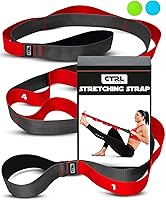
How does a stretching strap compare to boards and wedges?
A strap gives you a stretch you can do seated, lying down or with one leg extended. That position flexibility makes straps popular for travel and for users who cannot stand safely on a board.
You loop the strap around the ball of your foot and pull your toes toward you. Your calf stretches while your other leg stays supported.
You can adjust depth by how much you pull. No balance is needed.
Straps pack flat and weigh very little. They fit in a gym bag, a suitcase or a desk drawer.
That portability is hard to match with wood or plastic boards.
The limits are real. Straps do not hold your foot at a set angle.
The stretch depends on your pull, so it can vary each session.
Use a strap if you travel often, work at a desk or prefer floor-based stretching. The TOLOCO Massage Gun is not a strap, but it shows how seated recovery tools can fit a travel routine.
Firm rule: choose a strap if you need seated, portable stretching and do not mind adjusting depth by feel.
Wood, plastic or foam: which material should you choose?
Choose wood for a solid feel, plastic for low weight and easy cleaning, and foam for light support work. Material affects flex, grip, noise and care more than it affects stretch depth.
Wooden boards feel dense and grounded. They rarely flex under normal use and sound solid when you step on them.
They need more care than plastic because moisture can mark the surface over time.
Plastic boards are lighter and wipe clean in seconds. Some plastic decks flex more than wood at high angles, so check weight limits and deck support.
A textured surface helps with grip.
Foam tools suit rollouts and balance drills more than steep calf stretches. Foam compresses under load, so the angle changes as you stand on it.
Our best wooden calf stretcher guide compares wood builds by deck width and angle. Our best calf stretcher plastic guide covers lighter boards for travel and shared use.
Firm rule: pick wood for home stability, plastic for shared or travel use, and foam for rollouts rather than steep standing stretches.
What deck width and foot size should you check?
Pick a deck at least as wide as your foot with room to spare on both sides. A narrow deck forces your foot inward or outward and can strain your ankle.
Standing with both feet on the deck needs more width than standing with one foot. If you plan two-foot use, look for a wider model.
Check the listed width, not just the length.
Foot length matters too. Long feet need a deck that supports heel to ball without forcing your toes over the edge.
Short feet can use compact boards, but check that your heel has room to drop.
Socks change grip and effective width. Bare feet may grip textured decks well.
Socks can slide on smooth plastic.
Our best calf stretcher board guide lists deck widths for common board types. Measure your foot before you compare models there.
Firm rule: buy a deck 1 to 2 inches wider than your foot in your usual stance and long enough for heel to ball support.
How stable should the base and surface feel?
Choose a tool with a wide base, a locked angle and a textured surface that does not slip on your floor. Stability matters more than maximum angle for safe daily use.
Check how the tool meets the floor. Wide feet, rubber pads and a low center of gravity help.
Hinges should lock with a clear click or pin. If the angle can shift under load, skip that model.
Test the surface before you buy. Grooves and raised patterns help when your feet sweat.
Smooth decks work best with bare feet on a dry floor. Socks need more texture.
Floor type changes the setup. Hard floors give the best control.
Carpet can let plastic bases slide and foam tools sink. A thin non-slip mat can help on tile or wood.
Firm rule: reject any board or wedge whose angle shifts, whose base tips or whose surface feels slick in socks.
How much angle do you really need?
Pick a tool with angles from shallow to moderate, not just a very steep top setting. Most beginners need the low end of the range.
Think about your current flexibility. If your calves feel tight when you walk up stairs, start shallow.
If you already stretch daily and hold deep angles calmly, you can use more depth.
Angle affects more than calf stretch. Steeper angles load the ankle and Achilles area more.
People with ankle or Achilles issues should stay shallow and seek professional advice if pain occurs.
Boards that offer many small steps give finer control than boards with two or three settings. Wedges give no control at all.
Rockers vary angle by movement.
Our best adjustable slant board for squats guide shows how angle ranges differ for fitness use. Use those ranges as a reference, with a more conservative starting point.
Firm rule: choose a range that starts shallow and covers your likely depth, and ignore models that only offer steep angles.
How do foam rollers and massage guns fit with calf stretching?
Use a roller or massage gun before or after your calf stretcher tool, not instead of it. Stretching changes muscle length.
Rolling and percussion address soreness and tight spots.
A foam roller suits calves, thighs, back and other large muscle groups. The Amazon Basics High-Density Foam Roller for Exercise is 18 inches long and 6 inches in diameter, with firm polypropylene that holds its shape.
Its molded edges add comfort during rollouts. It wipes clean easily and weighs 0.27 kg, so it is easy to carry to class.
The ProsourceFit High Density Foam Rollers line includes a 12-inch compact size for travel and smaller muscle groups. ProsourceFit says the high-density foam maintains firmness under pressure.
The 12-inch length suits calves well and stores in a small space. New users may find deep pressure sensitive at first.
The TOLOCO massage gun uses percussion to target sore calves after runs or workouts. It has 10 massage heads, speeds up to 3200 rpm and a 12 mm penetration depth.
Its quiet motor runs at 40 to 50 dB. Use it on low settings first and avoid bony areas.
Firm rule: stretch first for length, then roll or use percussion for soreness, and keep the tools separate in your routine.
How do you set up and care for a calf stretcher tool?
Set up your tool on a hard, level floor with space to stand safely and a wall nearby for support. That setup prevents slips and lets you focus on the stretch.
Place the tool flat and lock the angle before you step on it. Check each foot or hinge point.
Stand with your heel supported and your toes placed where the deck texture starts.
Hold the stretch gently and breathe normally. Small adjustments to foot placement can change the feel more than forcing your heel down.
Switch sides and repeat. Stop if you feel sharp pain, numbness or dizziness.
Care is simple for most types. Wipe wood and plastic with a damp cloth and dry them fully.
Check foam for dents and replace it if it no longer holds its shape.
Our How to Choose the Right Treadmill Size? guide shows how to measure floor space for fitness equipment. Our How to Choose a Treadmill for Tall Runners? guide covers stance width and headroom, which also apply when you plan space for standing stretchers.
Firm rule: use a hard floor, lock the angle each time and dry the tool after use so grip and shape last.
Which calf stretcher tool should you choose for your situation?
Choose a slant board for adjustable home stretching, a wedge for a known fixed angle, a rocker for moving warm-ups and a strap for seated travel use. Match the type to your balance and storage first.
If you want one tool for daily home use, a board gives you the most control. Start shallow, hold for 30 to 60 seconds per side and add depth slowly.
If you already know your depth and want simple setup, a wedge can work well. Wood suits home stability and plastic suits shared use.
Both need a wide, grippy deck for your foot size.
If balance is limited, a strap or a supported rocker may fit better. Seated stretching removes fall risk and fits travel.
Pair either option with a roller for calves and other muscles.
Revisit your choice after a few weeks. If you outgrow a shallow wedge, move to a board.
If a steep board feels too intense, lower the angle and build slowly.
Firm rule: buy for your balance, foot size and storage space first, and let material and maximum angle come last.
Frequently asked questions
What type of calf stretcher tool is best for beginners?
A low wedge or a slant board set to a shallow angle suits most beginners because you can start with a mild stretch and add depth over time. Choose a wide, stable base and stop if you feel sharp pain in your ankle, knee or Achilles area.
Is a wooden or plastic calf stretcher better?
Wooden boards often feel solid and resist flexing, while plastic boards are usually lighter and wipe clean easily. The right choice depends on weight capacity, texture and whether you need to carry the tool to class or store it under a bed.
How long should you use a calf stretcher tool each day?
Many people start with short sessions of 30 to 60 seconds per side and build up slowly if it feels comfortable. Stretch gently, breathe normally and avoid forcing your heel down.
Stop and seek advice if pain persists or gets worse.