Can You Put a Treadmill in a Garage?
On this page (10 sections)
- Making Your Garage Treadmill Ready
- Assessing Your Garage’s Environment
- Setting Up Your Treadmill Space
- Protecting Your Treadmill Investment
- Can You Put a Treadmill in an Unfinished Garage?
- Treadmill Weight and Floor Load Capacity
- Potential Downsides to Consider
- Your Garage Treadmill Checklist
- Conclusion
- Frequently Asked Questions
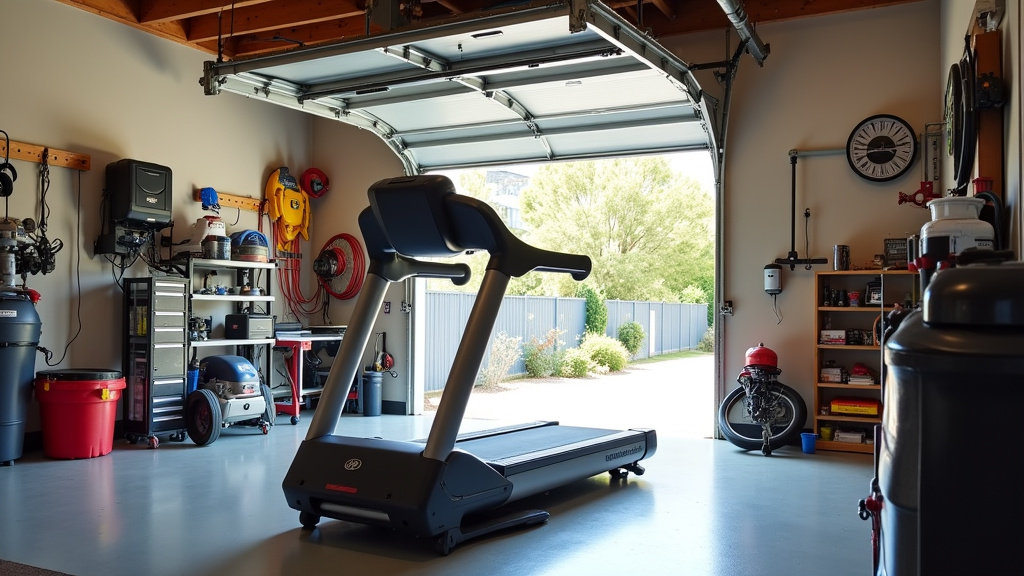
Yes, you absolutely can put a treadmill in your garage! Many people choose their garage as a workout space. It offers more room than most homes. You’ll want to consider a few key things first. These will ensure your treadmill works well and lasts a long time.
Garages can be a great spot for home gyms. They often provide the extra square footage we crave. However, garages can also face challenges like temperature changes and moisture. We found that addressing these potential issues is important for protecting your equipment and your investment.
- Treadmills can definitely live in a garage.
- It’s a popular choice for extra workout space.
- Watch out for temperature extremes and moisture.
- Proper preparation protects your treadmill.
Let’s walk through exactly how to make your garage a great home for your treadmill.
Making Your Garage Treadmill Ready
Yes, your garage can be a fantastic home for your treadmill! Many people are already doing it. It’s a popular choice for a reason. You get more space than you might have inside your house. This means you can really spread out and focus on your workout. We found that with a little preparation, your garage can be an even better spot for your fitness equipment. Let’s dive into what you need to consider to make this work well for you.
Assessing Your Garage’s Environment
Before you even think about moving your treadmill, take a good look at your garage. It’s not just about having enough space. You need to consider the conditions your treadmill will experience. Think about the typical weather in your area. Does your garage get very hot in the summer? Does it get freezing cold in the winter?
Temperature Swings and Your Treadmill
Treadmills have electronic parts. Extreme temperatures can affect these parts. Very high heat can cause components to overheat and fail. Very low temperatures can make plastics brittle and potentially cause damage. Many manufacturers recommend specific operating temperature ranges for their equipment. We found that keeping your garage within a comfortable temperature range is key to longevity.
What can you do about it? Some people opt for garage insulation. This can help moderate temperatures. Others might only use their treadmill during milder seasons. You could also consider a small space heater or fan for the times you use it. A good rule of thumb is to aim for temperatures similar to what you’d find inside your home. The U.S. Department of Energy suggests that insulation can make a big difference in temperature control.
Moisture and Humidity Concerns
This is a big one. Garages are often prone to moisture. Water can come from rain, snow melt, or even just humidity. A damp environment is not ideal for any electronic device, and treadmills are no exception. Rust can form on metal parts. Mold and mildew can grow on surfaces. This can damage the treadmill and create an unhealthy workout environment.
We found that a dehumidifier can be a game-changer for garages. Running one regularly can significantly reduce moisture levels. You should also check for any leaks in your garage doors or walls. Keeping the floor clean and dry is also important. Consider placing a durable mat under your treadmill. This can help protect the floor and the treadmill base from any moisture seeping up.
Floor Protection and Stability
Treadmills are heavy and they vibrate. You don’t want to damage your garage floor or have your treadmill wobble around. Most concrete garage floors are pretty tough, but they can still be scratched or stained. More importantly, a wobbly treadmill is not safe. It can also put extra stress on the machine’s components. This is where a treadmill mat comes in.
This is where a treadmill mat comes in. These are specially designed to absorb shock and vibration. They also protect your floor from scuffs and spills. Many are made of dense rubber or other durable materials. They can also help with noise reduction, which is a nice bonus. We found that a good quality mat makes a noticeable difference in stability and floor protection.
Setting Up Your Treadmill Space
Once you’ve addressed the environmental factors, it’s time to think about the actual setup. Where will the treadmill go? How will you ensure it has enough space to operate safely? These are important questions to answer for a functional home gym.
Choosing the Right Location
Think about traffic flow in your garage. You don’t want to constantly be tripping over things. Make sure there’s ample space in front of and behind the treadmill. Most manufacturers recommend at least 6 feet of clearance behind the treadmill. You’ll also want space on the sides. This ensures you have room to get on and off safely.
Consider ventilation. If your garage gets stuffy, having the treadmill near an open door or window can help. Many treadmills have built-in fans, but good airflow is always beneficial. We found that placing the treadmill away from stored items is a good safety practice. This prevents accidental bumps or falls.
Electrical Considerations
Your treadmill needs power. Check the electrical outlet situation in your garage. Is there a dedicated circuit for the outlet where you plan to plug in your treadmill? Overloaded circuits can be a fire hazard. It’s best to have your treadmill on its own circuit if possible. This is often a recommendation from electrical safety experts.
If you need to add an outlet or upgrade your electrical system, it’s wise to hire a qualified electrician. They can ensure everything is up to code and safe. Also, make sure your extension cords, if you must use them, are heavy-duty and rated for the treadmill’s power draw. We found that avoiding cheap, undersized cords is a critical safety step.
Protecting Your Treadmill Investment
You’ve invested in a treadmill, and you want it to last. Taking a few extra steps in your garage can help ensure its longevity. Think of it like giving your treadmill a comfortable, safe home.
Regular Cleaning and Maintenance
Just like any machine, your treadmill needs regular cleaning. Dust and debris can get into the motor and other components. This can cause wear and tear. Wipe down the console and deck regularly. Check the belt for proper tension and alignment.
Refer to your treadmill’s owner’s manual for specific cleaning instructions. Most recommend a damp cloth and mild soap. Avoid harsh chemicals. We found that a quick wipe-down after each workout is a great habit. It takes just a minute and makes a big difference. Keeping the area around the treadmill clean is also important. Sweep or vacuum regularly to prevent dust buildup.
Using Protective Accessories
We’ve already talked about treadmill mats. They are essential for protecting your floor and the treadmill. But there are other accessories that can help too. Many people use dust covers for their treadmills when they aren’t in use. This can prevent dust accumulation, especially if your garage isn’t climate-controlled.
Protective covers are often made of breathable fabric. This prevents moisture from getting trapped underneath. We found that using a cover is a simple way to keep your treadmill looking newer for longer. It also adds another layer of protection against accidental spills or drips in the garage.
Can You Put a Treadmill in an Unfinished Garage?
Yes, you can put a treadmill in an unfinished garage, but you need to be extra careful. Unfinished garages often have less insulation and are more exposed to the elements. This means temperature fluctuations and moisture can be more severe.
If your garage is unfinished, consider the following:
- Prioritize moisture control: A robust dehumidifier is almost a must.
- Monitor temperatures closely: Understand how hot it gets in summer and how cold in winter.
- Use a high-quality mat: Protect your floor from potential moisture and impacts.
- Consider a cover: Keep dust and debris off the treadmill.
- Be mindful of usage times: Perhaps avoid using it during extreme weather.
We found that even in an unfinished space, with diligent care and the right precautions, you can still create a functional workout area. It just requires a bit more attention to detail.
Treadmill Weight and Floor Load Capacity
Treadmills can be quite heavy. They can weigh anywhere from 200 to 500 pounds or even more. You need to make sure your garage floor can support this weight, especially if you plan to have multiple pieces of equipment in your garage gym.
Most concrete garage floors are designed to handle substantial weight. They typically have a load capacity of at least 50 pounds per square foot. This is usually more than enough for a treadmill. However, if you have any concerns about your garage’s structure, it’s always best to consult with a structural engineer or a qualified contractor. We found that a typical residential garage floor is robust enough for most home gym setups.
Potential Downsides to Consider
While a garage gym offers great advantages, there are a few potential downsides to think about. Being aware of these can help you prepare and mitigate any issues.
Pest Problems
Garages can sometimes attract pests like spiders, rodents, or insects. These critters might find a treadmill or the surrounding area a cozy place to hang out. This can be off-putting and potentially damage your equipment if they chew on wires.
We found that keeping the garage clean and clutter-free is the best defense against pests. Seal any cracks or openings where pests might enter. Regularly inspect the area around your treadmill. A clean environment is less attractive to unwanted visitors.
Aesthetics and Comfort
Let’s be honest, garages aren’t always the most aesthetically pleasing spaces. They can be utilitarian and sometimes a bit drab. If you’re looking for a spa-like gym experience, a garage might not immediately come to mind. However, with some effort, you can transform the space.
Adding some paint, better lighting, and perhaps some motivational posters can make a big difference. Think about what makes you feel good when you work out. You can create a space that inspires you, even if it started as a concrete box. We found that personalizing the space can turn a basic garage into a motivating workout zone.
Noise Considerations
Treadmills can be noisy. The motor hums, and the belt whirs. If you live in a neighborhood with close neighbors or have family members sensitive to noise, this is something to address.
Using a thick treadmill mat is crucial here. It absorbs a lot of the vibration and sound. If noise is still a major concern, consider the placement of your treadmill. Placing it on a section of the floor that is less likely to transmit sound might help. Some people even opt for soundproofing materials in their garage. We found that a good mat is the first and most effective step for noise reduction.
Your Garage Treadmill Checklist
Here’s a quick rundown to make sure your garage is ready:
- Assess environmental conditions: Check for temperature extremes and moisture.
- Invest in a treadmill mat: Protect your floor and the machine.
- Ensure proper electrical setup: Use dedicated circuits and safe cords.
- Clear adequate space: Allow for safe entry, exit, and operation.
- Plan for climate control: Consider insulation or a dehumidifier.
- Keep it clean and clutter-free: This helps with maintenance and pests.
Conclusion
So, can you put a treadmill in your garage? Absolutely! We’ve walked through how preparing your garage properly makes it a fantastic spot for your treadmill. Addressing temperature, moisture, and floor stability are key steps. We found that with a little effort, you can create a safe, functional, and motivating workout space. Your next step? Grab that treadmill mat and start assessing your garage’s environment. You’re well on your way to a convenient home gym!
Frequently Asked Questions
How do I protect my treadmill from extreme garage temperatures?
We found that insulation is your best bet for moderating extreme garage temperatures. If insulation isn’t an option, consider using your treadmill only during milder weather. A small space heater or fan can also help you maintain a comfortable zone when you use it.
What’s the best way to deal with moisture in a garage gym?
A good quality dehumidifier is highly effective for reducing moisture. We also recommend checking for leaks and keeping the floor clean and dry. Using a durable mat under your treadmill adds an extra layer of protection against dampness.
Can a treadmill damage a concrete garage floor?
While concrete is tough, heavy treadmills can cause scuffs or stains. More importantly, vibration can stress the floor over time. A thick treadmill mat is essential for absorbing shock and protecting your floor, as we discovered.
Is it safe to plug a treadmill into a standard garage outlet?
It’s best if your treadmill is on a dedicated electrical circuit to prevent overloading. If your garage outlets aren’t on dedicated circuits, consult an electrician. We found that using heavy-duty, properly rated extension cords is a critical safety step if needed.
How can I make my garage gym feel less like a garage?
You can significantly improve the aesthetics and comfort by adding paint, better lighting, and personal touches like motivational posters. We found that even simple upgrades can transform a utilitarian space into a more inviting workout zone that inspires you.