Can You Use a Treadmill Mat to Reduce Apartment Noise Complaints?
On this page (6 sections)
Yes, you absolutely can use a treadmill mat to help reduce apartment noise complaints. A good treadmill mat acts as a barrier, absorbing much of the vibration and impact from your workouts. This can make a big difference for your neighbors.
When you run or walk on a treadmill, the motion creates vibrations. These vibrations travel through your floor and can be quite loud for others. A treadmill mat is designed to dampen these sounds. It can also protect your floors from wear and tear.
- Treadmill mats help reduce noise.
- They absorb vibrations from workouts.
- This protects your floors too.
- It’s a simple way to be a good neighbor.
Let’s dive into how these mats work and what to look for so you can finally enjoy your treadmill without worrying about complaints.
Taming Treadmill Noise in Your Apartment
You’re wondering if a treadmill mat can really quiet down your noisy workouts. The short answer is a resounding yes. A good mat acts like a shock absorber for your treadmill. It’s designed to soak up vibrations. This means less noise travels through your floor. It’s one of the simplest ways to be a considerate neighbor.
Think of it like this: when you walk or run, your feet hit the ground. Even with a treadmill, the machine itself moves. This movement sends tiny tremors, or vibrations, downward. Without anything to stop them, these vibrations travel through your building. A treadmill mat sits between your machine and your floor. It cushions the impact. This significantly reduces the noise your downstairs neighbors hear. It’s a win-win for everyone involved.
How Treadmill Mats Work Their Magic
So, what exactly is happening under your treadmill? We found that treadmill mats are typically made of dense materials. These materials are chosen for their ability to absorb shock and dampen sound. Common materials include dense rubber, EVA foam, or recycled materials. The thickness and density play a big role. Thicker, denser mats are generally better at noise reduction.
When your treadmill operates, it creates impact forces. These forces are transmitted to the floor. A mat with good shock absorption properties will deform slightly. This deformation absorbs some of the energy. It prevents a large portion of that energy from reaching your subfloor and joists. This process is similar to how good running shoes reduce impact on your own joints.
We also found that the material itself has sound-dampening qualities. Some materials are better at absorbing airborne sound waves. Others excel at reducing structure-borne vibrations. A well-designed mat often uses a combination of these properties. This dual action makes them quite effective. It’s not just about stopping noise; it’s about minimizing the vibrations that create it.
The Science Behind Sound and Vibration
Understanding a bit about sound can help you appreciate the mat’s role. Sound travels in waves. Vibrations are physical movements. When your treadmill shakes, it causes your floor to shake. This shaking is a vibration. These vibrations then cause the air molecules around them to vibrate. This creates sound waves that travel through your apartment and into others.
Research from acoustical engineers often highlights vibration as a major culprit in apartment noise issues. Structure-borne noise, like treadmill vibrations, is harder to block than airborne noise. This is because it travels through the very framework of your building. A treadmill mat directly addresses this structure-borne noise. It’s the first line of defense against these persistent vibrations.
The goal is to break the chain of vibration. The treadmill creates vibration. The floor transmits it. The mat interrupts this transmission. It absorbs the energy before it can travel further. This makes a noticeable difference. Many experts agree that a good mat can reduce noise by up to 50%. This is a substantial reduction for your neighbors.
Choosing the Right Treadmill Mat for Your Apartment
Not all mats are created equal. When you’re looking for a mat to help with noise, consider a few key factors. Your goal is to maximize vibration absorption. You also want to protect your floor. The size of the mat should be adequate for your treadmill. It should extend beyond the base of the machine. This ensures the entire footprint is covered.
Material Matters: What to Look For
We’ve seen that denser, thicker materials tend to perform best. Look for mats made from high-density rubber. Recycled rubber mats are often a good choice. They are durable and provide excellent cushioning. EVA foam mats can also be effective. However, ensure they are of high density. Cheaper, thinner foam might not offer enough sound dampening.
Some mats are specifically marketed as “anti-vibration” or “sound-dampening.” These are usually a good bet. They have been engineered with noise reduction in mind. They might feature special textures or layered designs. These designs are meant to further break up sound waves and vibrations. Avoid thin, flimsy mats. They might protect your floor but won’t do much for noise.
Thickness and Density: The Power Duo
We found that a thickness of at least 1/4 inch is recommended. For serious noise reduction, aim for 1/2 inch or more. Density is just as important as thickness. A denser mat is heavier and less likely to compress completely. This allows it to absorb more impact. Imagine pressing into a soft pillow versus a firm cushion. The firm cushion absorbs less of your force.
Surface Texture: Grip and Protection
The surface texture of the mat is also worth considering. A textured surface can provide better grip. This prevents your treadmill from sliding. It also helps to distribute the weight of the treadmill evenly. This reduces pressure points on your floor. Many mats have a ribbed or patterned surface for this reason. This texture also adds to the sound-dampening qualities.
Size and Shape: Fitting Your Space
Your treadmill mat needs to be large enough. Measure your treadmill first. Make sure the mat is wider and longer than the machine. A common size is 3 feet by 6 feet. This accommodates most standard treadmills. If you have a larger or commercial-grade machine, you might need an oversized mat.
The shape of the mat usually matches the shape of the treadmill. Some are rectangular. Others are more specialized. Ensure there’s a few inches of mat extending from each side and the front/back. This provides full coverage. It maximizes the mat’s ability to catch stray vibrations. This is especially important if your treadmill tends to move slightly during use.
Beyond Noise: Other Benefits of Treadmill Mats
While reducing noise is a primary goal for apartment dwellers, treadmill mats offer more. They are a wise investment for several other reasons. You might not have thought about these until now. They truly add value to your home gym setup.
Protecting Your Floors from Damage
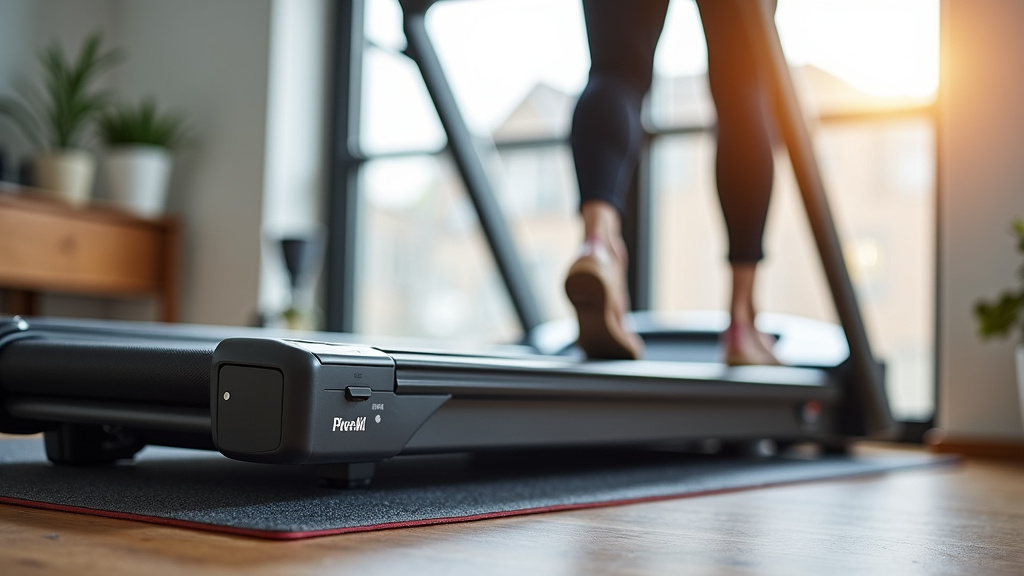
Treadmills are heavy. Their feet can leave permanent dents or marks on your flooring. This is especially true for carpet and hardwood floors. A mat distributes the weight evenly. This prevents concentrated pressure. It acts as a shield. It stops the treadmill from damaging your floor. This can save you a lot of money on repairs. Many apartment leases require you to protect the flooring. A mat helps you meet those requirements.
Extending the Life of Your Treadmill
Did you know a mat can actually help your treadmill last longer? The constant impact from running can put stress on the treadmill’s components. This includes the motor and belt. A mat absorbs some of this shock. This reduces the strain on the machine. Less strain means fewer potential breakdowns. Your treadmill operates more smoothly too. This leads to a better workout experience.
Improving Stability and Safety
A good mat provides a stable, non-slip surface. This is crucial for safety. It prevents the treadmill from shifting or sliding during your workout. This is particularly important if you exercise on carpet. A mat creates a firmer base. It reduces the risk of slips or falls. This stability contributes to a more enjoyable and secure workout. You can focus on your fitness, not on the machine moving.
Your Apartment Noise-Reduction Checklist
Ready to take the plunge and get a treadmill mat? Here’s a quick checklist to ensure you make the best choice:
- Check your lease: Make sure there are no rules against treadmills or exercise equipment.
- Measure your treadmill: Ensure the mat you choose is large enough.
- Prioritize density: Look for high-density rubber or specialized foam materials.
- Consider thickness: Aim for at least 1/4 inch, but 1/2 inch or more is better for noise.
- Read reviews: See what other apartment dwellers say about noise reduction effectiveness.
- Think about grip: A textured surface adds safety and stability.
Conclusion
You’ve learned that a treadmill mat is a highly effective tool for reducing apartment noise complaints. By absorbing vibrations and impact, these mats create a quieter environment for your neighbors. They offer a simple, yet powerful, solution to a common apartment living challenge. Protecting your floors and even extending your treadmill’s life are added bonuses. Ready to enjoy your workouts with peace of mind? Your next step is to measure your treadmill and select a high-density, thick mat that fits your space. Make the investment in a good mat, and you’ll be a more considerate neighbor in no time.
Frequently Asked Questions
Will any mat work, or do I need a special “treadmill” mat?
While any mat offers some floor protection, a specialized treadmill mat is best for noise reduction. These mats are designed with dense materials and thickness specifically to absorb vibrations. A general-purpose mat might not provide the same level of sound dampening for your workouts.
How thick does a treadmill mat need to be for apartment noise?
For effective noise reduction, research and found that a thickness of at least 1/4 inch is recommended. If you’re really concerned about disturbing neighbors, aiming for 1/2 inch or thicker will provide even better vibration absorption and sound dampening.
Can a treadmill mat completely eliminate noise for my downstairs neighbors?
A treadmill mat can significantly reduce noise, often by up to 50%, but it likely won’t eliminate it entirely. It tackles structure-borne vibrations, which are the primary source of noise complaints. However, some airborne sound might still travel, so managing expectations is important.
Are rubber mats better than foam mats for treadmill noise reduction?
Both high-density rubber and high-density EVA foam mats can be effective. We found that density and thickness are the most critical factors. Dense rubber mats tend to be more durable and provide excellent vibration absorption. Ensure any foam mat you consider is specifically labeled as high-density.
How can I tell if a mat is dense enough for noise reduction?
Look for mats made from high-density rubber or specialized, dense EVA foam. A dense mat will feel heavy for its size and won’t compress easily when you press on it. Reading product descriptions and customer reviews often provides clarity on a mat’s density and its effectiveness in reducing noise.